


Table of Contents
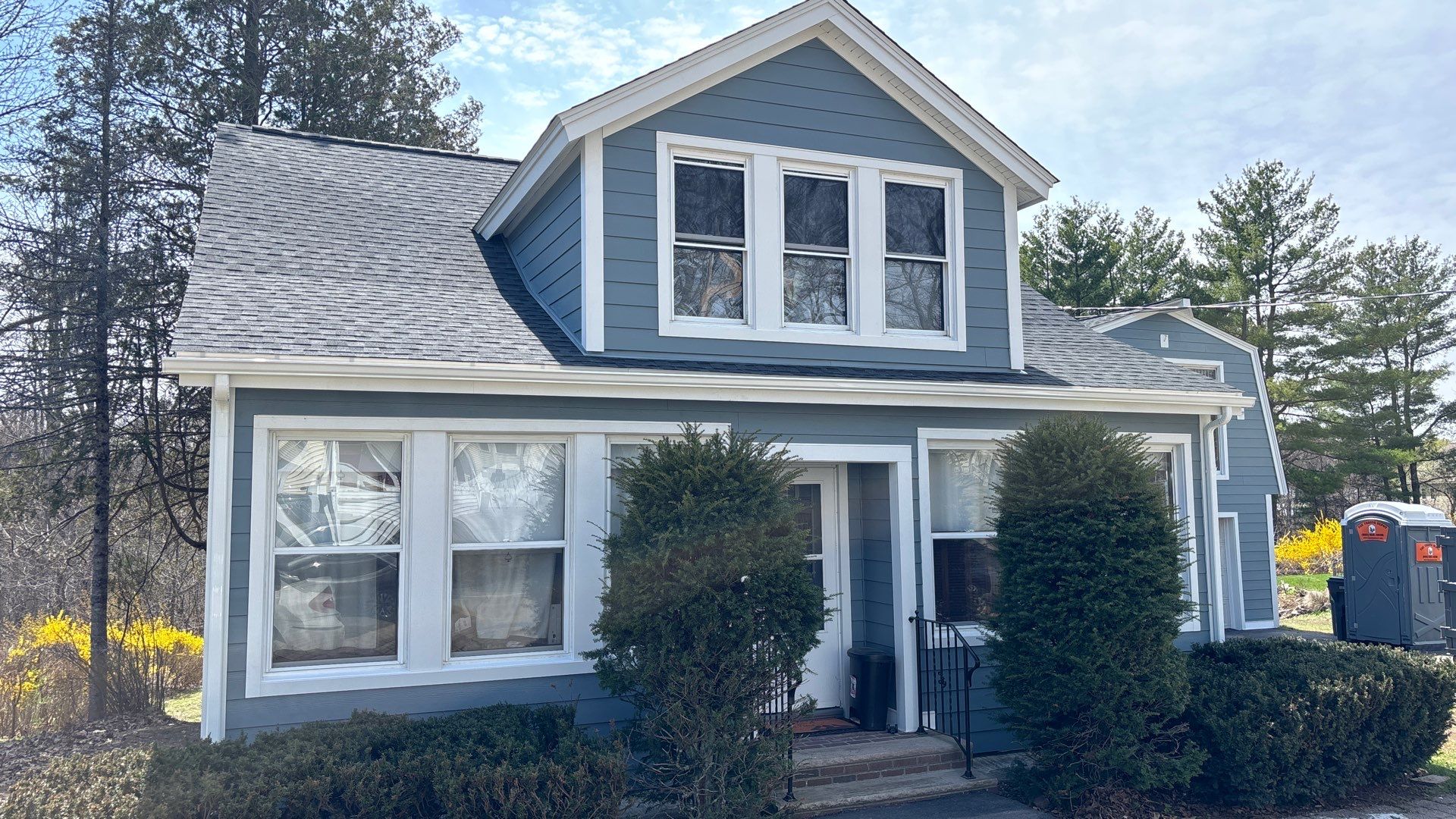
If you’re wondering does plastic on windows help in summer, the answer depends on the season. People generally add plastic to windows as a method of winter insulation. But when you’re on the hunt for relief from summer heat, you might think about wrapping your windows in plastic. After all, it can help create an extra barrier against cold air, reducing heat loss and improving energy efficiency.
In the summer, the opposite is true. Adding plastic to your windows will make your home feel hotter and trap heat inside the plastic.
What are the best windows to keep heat and cold out?
The best windows for blocking heat and cold pair Low-E glass coatings with double or triple pane construction. As a woman-owned, family-run company, Coastal Windows & Exteriors has completed 7,000+ installations since 2011 across 730+ towns in Massachusetts, New Hampshire and Maine. Low-E windows keep warm air inside during winter and push summer heat back out.
What Homeowners Need to Know:
- Low-E coatings: This is the best window insulation for summer because the coating reflects radiant heat. Get a free estimate to see your options!
- Year-round comfort: Efficient windows hold heat indoors in winter and out in summer. You stay comfortable through every New England season.
- Energy savings: Upgrading from single to triple pane windows can save over $500 a year on energy bills. Lower bills add up fast.
- Pane count matters: Triple pane windows reach a U-value of 0.20 to 0.30. Lower U-values mean better insulation against heat transfer.
- Quieter rooms: Triple pane glass cuts outside noise by about 40 to 50 percent. Double pane reduces it by roughly 30 to 35 percent.
- Not plastic film: DIY plastic film cannot match Low-E performance. Coated glass works year-round without taping windows shut each season.
Window Type | Pros | Cons | Best For | U-Value |
Double Pane | Good insulation, lower cost | Less efficient than triple | Budget upgrades | 0.30 to 0.45 |
Triple Pane | Top insulation, quietest | Higher upfront cost | Maximum comfort | 0.20 to 0.30 |
Choosing the Right Window for Your Home
Top Recommendation: Triple pane windows with Low-E glass for the strongest defense against heat and cold. Request a free estimate today from Coastal Windows & Exteriors, professionally installing energy efficient windows for your New England home.
Best for Budget: Double pane Low-E windows still deliver solid year-round efficiency at a friendlier price.
Smart for Quiet: Triple pane glass works well if noise reduction matters as much as temperature control.
Ready to keep heat and cold where they belong? Upgrading to Low-E windows is the smart first step. Coastal Windows & Exteriors is a woman-owned, family-run remodeler founded in 2011, not a franchise. We hold a 4.8-star Google rating with 1000+ reviews and 7,000+ installations across MA, NH, and ME.
Request a free windows estimate from Coastal Windows & Exteriors.
Browse our complete windows FAQ guide from Coastal Windows & Exteriors.
Explore the Coastal Windows & Exteriors Windows Exterior Remodeling Home Improvement Help Center.
Last Updated: July 2026
Sources
- Upgrading from single to triple pane windows can save over $500 a year on energy bills. ENERGY STAR Energy Efficient Windows, official federal guidance on window energy savings. (Accessed June 2026)
- Triple pane windows reach a U-value of 0.20 to 0.30, while double pane ranges from 0.30 to 0.45. China North Glass Soundproofing Benefits of Double vs Triple Pane Insulating Glass, industry comparison of pane efficiency ratings. (2025)
- Triple pane glass reduces noise by about 40 to 50 percent, and double pane by 30 to 35 percent. China North Glass Soundproofing Benefits of Double vs Triple Pane Insulating Glass, industry data on glass soundproofing performance. (2025)
- Thermal performance such as U-factor and R-value is a priority for 87 percent of windows and doors professionals. Fixr Windows and Doors Report, 2026 contractor survey on window selection factors. (2026)
What is a window insulation kit and does it work?
A window insulation kit is a plastic film taped over windows to block winter drafts temporarily. As a woman-owned, family-run company, Coastal Windows & Exteriors has completed 7,000+ installations since 2011 across 730+ towns in Massachusetts, New Hampshire and Maine. Kits offer short-term help, but properly installed windows deliver lasting comfort and efficiency.
What Homeowners Need to Know:
- Honest take: Plastic film helps slightly in winter, so does window plastic insulation work? Only as a temporary patch. Get a free estimate for a lasting solution.
- Winter only: Kits create a thin air barrier that reduces some drafts. The benefit is small and fades quickly over time.
- Summer problem: Trapped film can make rooms hotter in warm months. Most homeowners peel it off before summer arrives.
- Short term: Kits need replacing every season because the film tears and loosens. Tape often leaves residue on your frames.
- Lasting fix: Energy-efficient windows solve drafts for good without yearly taping. Upgrading from single to triple pane can save over $500 a year.
- Real comfort: Triple pane windows reach a U-value of 0.20 to 0.30. Lower U-values mean steady comfort in every season.
Option | Pros | Cons | Best For | Lasts |
Insulation Kit | Cheap, quick install | Winter only, peels off | One-season drafts | A few months |
Efficient Windows | Year-round comfort, no upkeep | Higher upfront cost | Permanent comfort | Decades |
Choosing the Right Approach for Your Home
Top Recommendation: Energy-efficient windows for a permanent fix that ends yearly taping. Request a free estimate today from Coastal Windows & Exteriors!
Best for Budget: A kit can bridge one tough winter while you plan a real upgrade.
Smart for Comfort: Triple pane windows hold heat in winter and out in summer.
Ready to stop taping windows every winter? Replacing drafty windows is the smart long-term move. Coastal Windows & Exteriors is a woman-owned, family-run remodeler founded in 2011, not a franchise. We hold a 4.8-star Google rating with 1000+ reviews and 7,000+ installations across MA, NH, and ME.
Request a free windows estimate from Coastal Windows & Exteriors.
Browse our complete windows FAQ guide from Coastal Windows & Exteriors.
Explore the Coastal Windows & Exteriors Windows Exterior Remodeling Home Improvement Help Center.
Last Updated: July 2026
Sources
- Upgrading from single to triple pane windows can save over $500 a year on energy bills. ENERGY STAR Energy Efficient Windows, official federal guidance on window energy savings. (Accessed June 2026)
- Triple pane windows reach a U-value of 0.20 to 0.30, while double pane ranges from 0.30 to 0.45. China North Glass Soundproofing Benefits of Double vs Triple Pane Insulating Glass, industry comparison of pane efficiency ratings. (2025)
The Short Answer: No, Plastic on Windows Does Not Help in Summer
Plastic on windows does not help in the summer. It will not keep you cool or lower your energy bills. This is not an approach you want to use during the dog days of summer here in New England!
3 Reasons Why Plastic Heats Up Your Home in Summer
Here’s the hard truth about using plastic on windows in summer: it doesn’t just fail to cool your home — it actively works against you. There are three key reasons why.
Plastic Film Acts Like a Greenhouse
Plastic film acts like a greenhouse on your windows. Here’s a breakdown of how it traps heat:
- Solar heat absorption: The plastic film absorbs a significant amount of the sun’s heat energy that would normally be reflected away by the glass.
- Heat trapping: The absorbed heat is then trapped inside the plastic layer, creating a warm microclimate between the plastic and the window glass.
Infrared radiation: The plastic film is often not designed to reflect infrared radiation (heat), which further contributes to the warming effect.
Plastic Blocks Cooling Airflow and Cross-Ventilation
Plastic on windows can impede airflow and stop your home from cooling down effectively. This is because:
- When you open a window, the plastic film creates a partial blockage, limiting the amount of fresh air that can enter your home.
- Cross-ventilation, which involves opening windows on opposite sides of a room, is a common cooling strategy. Plastic film on these windows can drastically reduce the effectiveness of this method.
- Even when windows are slightly open, a natural draft can help to circulate air and cool down a space. Plastic film can disrupt this natural process.
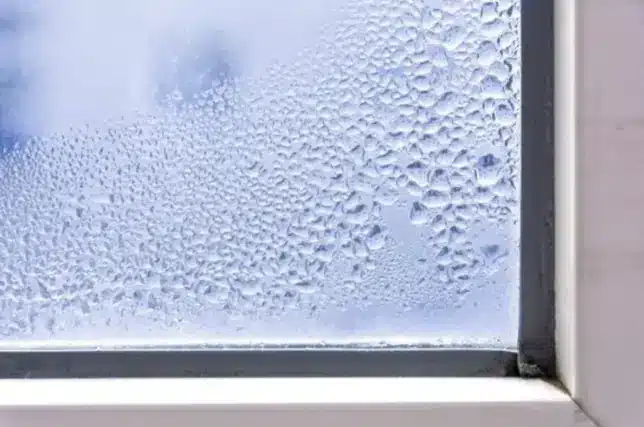
Plastic Traps Moisture and Causes Foggy Windows
Do you have foggy house windows in the summer? Part of the culprit might come from plastic on windows. Condensation can form on plastic-covered windows for several reasons:
- Moisture Barrier: Plastic acts as a barrier, trapping warm, moist air from your home between the plastic and the glass.
- Temperature Difference: The temperature difference between the warm indoor air and the colder outdoor temperature causes the moisture in the air to condense on the coldest surface, which is the window glass.
- Reduced Ventilation: The plastic film can impede airflow, preventing the moisture-laden air from escaping and being replaced with drier air.
Foggy windows in summer moisture buildup can lead to several problems:
- Mold and Mildew Growth: Constant moisture provides an ideal environment for mold and mildew to thrive.
- Damage to Window Frames: Prolonged exposure to moisture can damage the wood or paint on your window frames.
- Health Issues: Mold and mildew can cause respiratory problems and allergies.
If you’re already seeing condensation or moisture between your panes, that may be a separate issue worth addressing. Learn more about what to do when my windows are leaking water (foggy windows).
Does Plastic on Windows Help Keep Heat In?
Yes — but only in one direction, and it’s not the one you want in summer.
Plastic film works by trapping air between the plastic layer and the glass, slowing the movement of heat through the window. In winter, that’s useful. In summer, it means heat from the sun gets trapped inside rather than escaping back outside. The plastic doesn’t distinguish between heat you want to keep and heat you want to lose. Unfortunately, plastic holds heat inside in the worst way possible.
Does Bubble Wrap on Windows Help in Summer? (Spoiler: No — Here's Why)
Bubble wrap on windows does not help in summer. Like plastic film, it traps solar heat against the glass rather than reflecting it, making your home warmer, not cooler.
Homeowners sometimes try bubble wrap windows for summer comfort as a low-cost DIY fix. It’s understandable — bubble wrap is cheap, easy to apply, and does create an air gap. But that air gap works very differently depending on the season, and in summer it works against you.
How Bubble Wrap Differs from Plastic Window Film
Bubble wrap and plastic window film might seem similar, but they behave differently on glass.
Bubble Wrap vs Plastic Window Film: At a Glance
Standard plastic window film is thin and sits flush against the pane. Bubble wrap creates a larger air pocket between the plastic and the glass due to its raised bubble structure.
That air pocket sounds like insulation — and in a technical sense, it is. The problem is that insulation is a two-way street. The same air pocket that slows heat loss in winter also slows heat escape in summer.
Unlike professionally manufactured window films, bubble wrap has no Low-E coating. It cannot selectively reflect infrared radiation. It simply traps whatever is on its warm side. In summer, that means trapping the sun’s heat inside your home.
Why Bubble Wrap Makes Summer Heat Worse
Using bubble wrap on windows in summer creates the same greenhouse effect as plastic film — only the bubble structure makes it slightly worse. Here’s why:
- Greenhouse effect: The bubbles trap a warm air layer directly against the glass, raising the surface temperature of the window and radiating that heat into your room.
- Trapped infrared radiation: Without a Low-E coating, bubble wrap cannot reflect infrared heat back outside. Solar heat passes through the glass, gets absorbed, and has nowhere to go.
- No ventilation relief: Like plastic film, bubble wrap interferes with natural airflow when windows are cracked open, compounding the heat problem.
It’s worth noting that bubble wrap can provide marginal benefit in winter — the trapped air pocket does reduce some cold-air infiltration around drafty single-pane windows. But that same property is exactly what makes it counterproductive once temperatures rise.
What About Garbage Bags, Cellophane, and Cling Film?
If bubble wrap and plastic film don’t work, what about other household materials? Homeowners across New England try all kinds of DIY fixes when summer heat hits — black garbage bags, cellophane, cling wrap, and shrink-film kits. Here’s an honest look at each one.
Black Garbage Bags on Windows: A Word of Caution
Of all the materials on this list, black garbage bags on windows are the most likely to make your heat problem worse — not better. That’s because:
- Black is the least reflective color on the visible spectrum.
- It absorbs heat rather than deflecting it
- A black garbage bag applied to a sun-facing window will absorb solar energy all day and radiate it directly into your room.
Some homeowners use black bags to block light for blackout purposes, such as darkening a room for sleep, for example. That’s a reasonable short-term use. But if your goal is to reduce heat, black garbage bags on windows will work against you. The room may get darker, but it will also get hotter.
A Side Note on Cellophane and Cling Film: Thin Material, No Real Benefit
Cellophane and cling film are even thinner than standard plastic window film. This means they offer even less in the way of insulation — and none of the heat-reflecting properties that matter in summer. Neither material has a Low-E coating. Neither can reflect infrared radiation. Applied to a window in summer, they function as a very thin plastic barrier with no meaningful impact on heat gain or energy bills.
Cling film in particular has been marketed informally as a DIY insulation tactic. While it creates a negligible air gap, that gap is too thin to slow heat transfer in any meaningful way. In winter, the benefit is marginal at best. In summer, it provides nothing.
3M Window Insulator Kit: Honest Review
The 3M Window Insulator Kit is one of the most searched window insulation products online, and it’s a legitimate product — just not for summer use. The kit uses a clear shrink film that you apply to the interior window frame with double-sided tape, then shrink taut with a hair dryer. It creates a sealed air pocket between the film and the glass.
In winter, that sealed air pocket reduces cold-air infiltration around drafty or older windows, and it does so reasonably well for the price. It’s a fair short-term solution for single-pane windows or windows with failing seals in cold climates like Massachusetts, New Hampshire, and Maine.
In summer, however, the same sealed air pocket traps heat, just like other types of plastic we’ve talked about. Meanwhile, the 3M kit has no Low-E coating and no infrared-reflecting properties. It is a winter insulation product, and using it in summer will make your home warmer, not cooler.
What Actually Works: How to Block Summer Heat from Windows
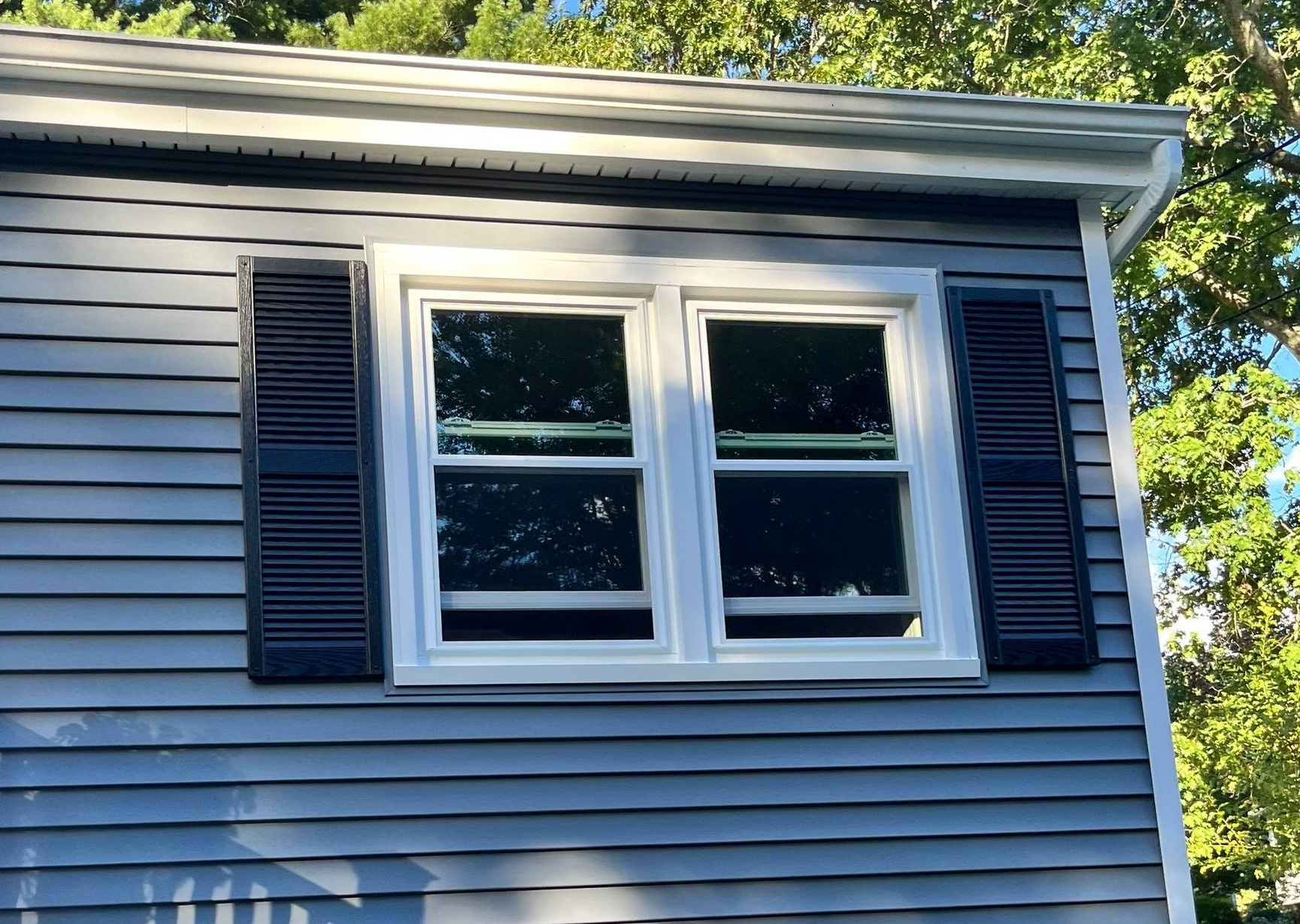
Unlike plastic, which doesn’t help in summer, here’s what actually does. If you’re looking for the best way to insulate windows for summer — and genuinely keep heat out — these are the solutions that work.
Low-E Glass Cools Your Home with Ease
Low-E, short for ‘low-emissivity,’ refers to coatings applied to glass during manufacturing. Visible light passes through, while infrared heat is reflected back outside. This helps to keep your home cooler in the summer and warmer in the winter.
Insulated Glass Reduces Heat Transfer
This type of glass consists of two or more panes of glass separated by a gas-filled space. The gas, usually argon or krypton, acts as an insulator to reduce heat transfer.
Vinyl Window Frames Prevent Energy Loss
Window frame materials vinyl offer better insulation compared to traditional wood or aluminum frames. They can help reduce heat transfer through the window frame, keeping your home cool and your energy bills in check.
Custom Window Placement
Proper window placement can minimize solar heat gain. You’ll want to avoid large south-facing windows, which can directly impact the comfort levels in your home during the summer. By working with a window contractor, you can optimize your home’s energy efficiency with custom window replacement.
Solar Shades, Window Tint, and Cellular Blinds
For homeowners not yet ready for full window replacement, interior and exterior window treatments can provide a meaningful — if temporary — reduction in summer heat gain.
- Solar shades are roller shades made from an open-weave fabric that blocks a percentage of incoming solar radiation while still allowing some natural light through. They won’t eliminate heat gain, but they reduce it noticeably on south- and west-facing windows.
- Window tint film works by applying a thin metallic or ceramic layer to the glass surface. Unlike plain plastic film, quality window tint is specifically engineered to reflect infrared radiation — the part of sunlight that carries heat. It’s a meaningful upgrade over DIY plastic, though it still falls short of factory-applied Low-E glass.
- Cellular blinds (also called honeycomb shades) trap air in their honeycomb-shaped cells, creating a buffer zone between the glass and your interior. They’re more effective at reducing heat transfer than standard blinds and work in both summer and winter.
None of these treatments match the performance of purpose-built energy efficient replacement windows, but they can help bridge the gap while you plan a longer-term upgrade.
Comparison: What Actually Blocks Summer Heat?
Solution | Blocks Solar Heat | Reflects Infrared | Improves Airflow | Long-Term Fix |
Plastic film |
|
|
|
|
Low-E glass |
|
|
|
|
Window tint film |
|
|
|
|
Solar shades |
|
|
|
|
Cellular blinds |
|
|
|
|


 Partial
Does Plastic on Windows Help in Winter? (Yes — Here's Why)
Yes — plastic on windows does help in winter. This is the one season where the same properties that make plastic harmful in summer actually work in your favor. That said, it’s a temporary fix, not a permanent solution. If you’re relying on plastic film every winter, your windows are telling you something important.
In winter, plastic film creates an insulating air barrier between the film and the glass. That trapped air slows heat loss from your warm interior to the cold outdoors — which is exactly what you want when temperatures in Massachusetts, New Hampshire, and Maine drop below freezing. It won’t make an inefficient window perform like a modern double- or triple-pane replacement, but it can meaningfully reduce drafts and heat loss around older or single-pane windows for the season.
If you’re also noticing moisture buildup during the colder months, that’s a related but separate issue worth understanding. Learn more about condensation on windows in winter and what causes it.
Summer vs. Winter: When Plastic Helps and When It Hurts
The same property — trapping air — produces opposite results depending on the season. Here’s a simple side-by-side breakdown:
Summer | Winter | |
Does plastic on windows help? | ❌ No | ⚠️ Temporary results |
What the air gap does | Traps solar heat inside | May slow heat loss to outside |
Effect on temperature | Makes home hotter | May slow drafts and heat loss |
Effect on airflow | Blocks cooling ventilation | May reduce cold infiltration |
Effect on condensation | Increases moisture buildup | Can increase condensation risk |
Verdict | Remove it | Apply it carefully |
Best long-term solution | Energy efficient windows | Energy efficient windows |
The honest takeaway: plastic film is a reasonable short-term winter fix for drafty or aging windows. It is not a substitute for properly insulated, properly sealed replacement windows — and it has no place on your windows once the warm weather returns.
The Long-Term Fix: Energy-Efficient Replacement Windows
There’s a better answer to summer heat than plastic film, bubble wrap, or any DIY hack. Energy efficient windows with a Low-e glass application can make your home feel more like a refreshing treat and less like a sauna.
Here’s what that looks like in practice. Modern Low-E replacement windows are engineered to reflect infrared heat before it enters your home, reducing the workload on your air conditioning system throughout the summer months. Less AC use means lower energy bills — month after month, season after season. That’s a return that no roll of plastic film can offer!
According to the 2025 Cost vs. Value Report, window replacement in New England carries a 76% return on investment — meaning the upgrade pays back a significant portion of its cost at resale, on top of the year-round energy savings you’ll experience while you’re still living in the home.
Get a Free Estimate and Stay Cool During New England Summers
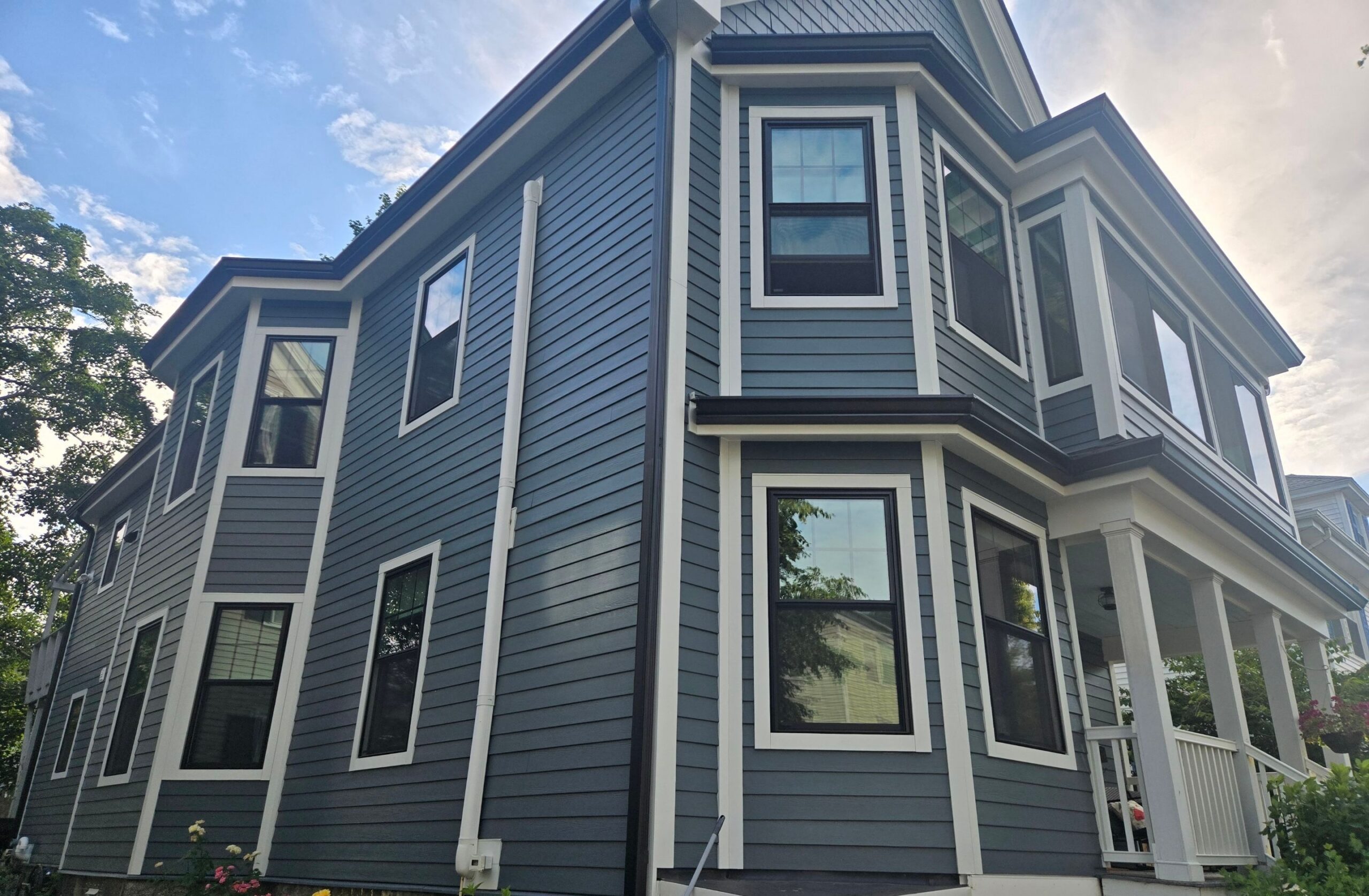
As an ENERGY STAR® certified windows partner and the only woman-owned James Hardie President’s Club winner in New England, Coastal Windows & Exteriors has helped thousands of homeowners across Massachusetts, New Hampshire, and Maine make the switch from outdated, drafty windows to high-performance replacements that work in every season — without the annual plastic film routine.
So, does plastic on windows help in summer? No — but energy-efficient replacement windows do. They reflect heat, reduce cooling costs, and add lasting value to your home. No tape required.
Ready to find out what your home qualifies for? Schedule a free estimate with our team — or book online and get a $250 bonus.
Frequently Asked Questions About Putting Plastic on Windows in the Summer
Does a window film insulation kit help reduce heat and drafts?
A window film insulation kit offers only limited help, since it cannot block summer heat or fully seal drafts. As a woman-owned, family-run company, Coastal Windows & Exteriors has completed 7,000+ installations since 2011 across 730+ towns in Massachusetts, New Hampshire and Maine. Unlike film, properly installed windows address failed seals and gaps at the source.
What Homeowners Need to Know:
- Limited cooling: An insulating window film for summer offers little real cooling against direct sun. Get a free estimate for a stronger fix.
- No coating: DIY film lacks the Low-E reflective coating that blocks radiant heat. Real performance needs coated replacement glass.
- Trapped heat: Film can hold warm air against the glass surface. This often makes a sunny room feel hotter.
- Drafts persist: Film does not fix gaps or failed window seals. Air still leaks around old, worn frames.
- Better path: Low-E replacement glass blocks summer heat far better than film. Upgrading from single to triple pane can save over $500 a year.
- Lasting comfort: Triple pane windows reach a U-value of 0.20 to 0.30. Lower U-values mean steadier indoor temperatures.
Option | Pros | Cons | Best For | Lasts |
Window Film Kit | Cheap, easy to apply | No Low-E, ignores drafts | Quick temporary patch | A few months |
Low-E Replacement Glass | Blocks heat, seals gaps | Higher upfront cost | Year-round comfort | Decades |
Choosing the Right Fix for Your Home
Top Recommendation: Low-E replacement windows for real heat control and a true draft seal. Request a free estimate today for energy efficient windows from Coastal Windows & Exteriors.
Best for Budget: Film can ease one hot stretch while you plan a window upgrade.
Smart for Comfort: Triple pane Low-E glass keeps rooms cool in summer and warm in winter.
Ready to fix heat and drafts for good? Replacing failing windows is the smart long-term move. Coastal Windows & Exteriors is a woman-owned, family-run remodeler founded in 2011, not a franchise. We hold a 4.8-star Google rating with 1000+ reviews and 7,000+ installations across MA, NH, and ME.
Request a free windows estimate from Coastal Windows & Exteriors.
Browse our complete windows FAQ guide from Coastal Windows & Exteriors.
Explore the Coastal Windows & Exteriors Windows Exterior Remodeling Home Improvement Help Center.
Last Updated: July 2026
Sources
- Upgrading from single to triple pane windows can save over $500 a year on energy bills. ENERGY STAR Energy Efficient Windows, official federal guidance on window energy savings. (Accessed June 2026)
- Triple pane windows reach a U-value of 0.20 to 0.30, while double pane ranges from 0.30 to 0.45. China North Glass Soundproofing Benefits of Double vs Triple Pane Insulating Glass, industry comparison of pane efficiency ratings. (2025)
What does Energy Star certified mean for windows?
ENERGY STAR certified means a window meets strict federal efficiency benchmarks for blocking heat loss and gain. As a woman-owned, family-run company, Coastal Windows & Exteriors has completed 7,000+ installations since 2011 across 730+ towns in Massachusetts, New Hampshire and Maine. Independently tested, ENERGY STAR windows lower both heating and cooling costs year-round.
What Homeowners Need to Know:
- What it means: Energy Star is the best way to insulate windows for summer comfort and savings. Get a free estimate today.
- Tested standard: Energy Star windows meet strict efficiency targets set by the federal program. The label confirms real, verified performance.
- Key specs: Look at U-factor and solar heat gain coefficient before you buy. These ratings show how well a window blocks heat.
- Real savings: Certified windows cut heating and cooling bills over time. Upgrading from single to triple pane can save over $500 a year.
- Climate fit: Choose ratings suited to New England weather and cold winters. The right specs matter for our local climate.
- Better glass: Triple pane windows reach a U-value of 0.20 to 0.30. Lower U-values mean stronger insulation against heat transfer.
Choosing the Right Certified Window for Your Home
Top Recommendation: Triple pane Energy Star windows for the strongest year-round efficiency. Request a free estimate today from Coastal Windows & Exteriors.
Best for Budget: Double pane Energy Star windows still deliver certified savings at a friendlier price.
Smart for New England: Choose U-factor and SHGC ratings matched to cold winters and warm summers.
Ready to lower your energy bills for good? Choosing Energy Star windows is the smart first step. Coastal Windows & Exteriors is a woman-owned, family-run remodeler founded in 2011, not a franchise. We hold a 4.8-star Google rating with 1000+ reviews and 7,000+ installations across MA, NH, and ME.
Request a free windows estimate from Coastal Windows & Exteriors.
Browse our complete windows FAQ guide from Coastal Windows & Exteriors.
Explore the Coastal Windows & Exteriors Windows Exterior Remodeling Home Improvement Help Center.
Last Updated: July 2026
Sources
- Upgrading from single to triple pane windows can save over $500 a year on energy bills. ENERGY STAR Energy Efficient Windows, official federal guidance on window energy savings. (Accessed June 2026)
- Triple pane windows reach a U-value of 0.20 to 0.30, while double pane ranges from 0.30 to 0.45. China North Glass Soundproofing Benefits of Double vs Triple Pane Insulating Glass, industry comparison of pane efficiency ratings. (2025)
Does putting plastic on windows actually help with energy bills?
Plastic film on windows helps a little with winter drafts, but it can trap heat and raise summer cooling costs. As a woman-owned, family-run company, Coastal Windows & Exteriors has completed 7,000+ installations since 2011 across 730+ towns in Massachusetts, New Hampshire and Maine. For lasting savings, properly installed windows outperform any seasonal plastic film.
What Homeowners Need to Know:
- Clear answer: Does plastic on windows help in summer? No, it traps heat and works against you. Get a free estimate for a real fix.
- Greenhouse effect: Film holds warm air against the glass surface. A sunny room can feel hotter with plastic in place.
- Bills rise: Trapped summer heat can push your cooling costs higher. Your air conditioner works harder to keep up.
- Winter only: Plastic offers a small winter benefit by slowing drafts. The film still peels off and needs replacing each season.
- Real fix: Low-E replacement windows cut summer heat and lower bills. Upgrading from single to triple pane can save over $500 a year.
- Lasting comfort: Triple pane windows reach a U-value of 0.20 to 0.30. Lower U-values mean steady comfort all year.
Option | Pros | Cons | Best For | Lasts |
Window Plastic | Cheap, quick winter help | Traps summer heat, peels off | One cold season | A few months |
Low-E Replacement Windows | Cuts heat, lowers bills | Higher upfront cost | Year-round savings | Decades |
Choosing the Right Fix for Your Home
Top Recommendation: Low-E replacement windows for real summer heat control and lower bills. Request a free estimate today.
Best for Budget: Plastic can ease one winter while you plan a window upgrade.
Smart for Comfort: Triple pane Low-E glass keeps rooms cooler in summer and warmer in winter.
Ready to stop fighting your energy bills? Replacing drafty windows is the smart long-term move. Coastal Windows & Exteriors is a woman-owned, family-run remodeler founded in 2011, not a franchise. We hold a 4.8-star Google rating with 1000+ reviews and 7,000+ installations across MA, NH, and ME.
Request a free windows estimate from Coastal Windows & Exteriors.
Browse our complete windows FAQ guide from Coastal Windows & Exteriors.
Explore the Coastal Windows & Exteriors Windows Exterior Remodeling Home Improvement Help Center.
Last Updated: July 2026
Sources
- Upgrading from single to triple pane windows can save over $500 a year on energy bills. ENERGY STAR Energy Efficient Windows, official federal guidance on window energy savings. (Accessed June 2026)
- Triple pane windows reach a U-value of 0.20 to 0.30, while double pane ranges from 0.30 to 0.45. China North Glass Soundproofing Benefits of Double vs Triple Pane Insulating Glass, industry comparison of pane efficiency ratings. (2025)
How much can energy efficient windows save?
Energy efficient windows can lower energy bills by up to 13% while adding comfort and resale value. As a woman-owned, family-run company, Coastal Windows & Exteriors has completed 7,000+ installations since 2011 across 730+ towns in Massachusetts, New Hampshire and Maine. Beyond yearly savings, energy efficient windows also recover a strong share of their cost at resale.
What Homeowners Need to Know:
- Big savings: Does covering windows with plastic really help long-term? No, but efficient windows do. Get a free estimate today.
- Yearly savings: Low-E windows can save over $500 a year on energy bills. Those savings repeat every year you own the home.
- Strong return: Window replacement returns about 76% of its cost at resale. The national average project runs around $21,922.
- Comfort gain: Efficient windows cut drafts and steady your room temperatures. Rooms feel better in both summer and winter.
- Local rebates: Programs like Mass Save, NHSaves, and Efficiency Maine may offer savings. Check with a tax professional for current offerings.
- Lasting value: Unlike plastic film, new windows pay back over many years. They never need yearly taping or replacing.
Option | Pros | Cons | Best For | Yearly Benefit |
Window Plastic | Cheap, quick install | No lasting savings, peels off | One cold season | Minimal |
Efficient Windows | $500+ savings, 76% ROI | Higher upfront cost | Long-term value | Repeats yearly |
Choosing the Right Investment for Your Home
Top Recommendation: Energy efficient Low-E windows for yearly savings and strong resale value. Request a free estimate today from Coastal Windows & Exteriors!
Best for Budget: Phase your upgrade room by room to spread the cost over time.
Smart for Resale: Window replacement returns about 76 percent of its cost when you sell.
Ready to start saving every year? Upgrading to efficient windows is the smart long-term move. Coastal Windows & Exteriors is a woman-owned, family-run remodeler founded in 2011, not a franchise. We hold a 4.8-star Google rating with 1000+ reviews and 7,000+ installations across MA, NH, and ME.
Request a free windows estimate from Coastal Windows & Exteriors.
Browse our complete windows FAQ guide from Coastal Windows & Exteriors.
Explore the Coastal Windows & Exteriors Windows Exterior Remodeling Home Improvement Help Center.
Last Updated: July 2026
Sources
- Upgrading from single to triple pane windows can save over $500 a year on energy bills. ENERGY STAR Energy Efficient Windows, official federal guidance on window energy savings. (Accessed June 2026)
- Window replacement returns about 76 percent of its cost at resale. JLC 2025 Cost vs Value Report, national remodeling return-on-investment data. (2026)
- The average cost of window replacement is about $21,922. JLC 2025 Cost vs Value Report, New England, regional window replacement cost data. (2026)