

Energy Efficient Home Improvements Tax Credits: What New England Homeowners Need to Know in 2026
If you made energy efficient home improvements to your Massachusetts, New Hampshire, or Maine home in 2025, there’s important news: the federal 25C Energy Efficient Home Improvement Credit expired on December 31, 2025. It is no longer available for work done in 2026.
But if you upgraded your windows, doors, or skylights last year, you may still be able to claim it on your 2025 tax return. Here’s what you need to know.
Can I still get a federal tax credit for replacing my windows?
The federal 25C energy tax credit for windows expired on December 31, 2025. It no longer applies to window replacements in 2026.
2025 filers can still claim 30% of their window costs, up to a $600 cap, on their 2025 tax return. Windows must have been installed by December 31, 2025, to qualify. Even without the credit, replacing old windows still delivers strong long-term value.
What Homeowners Need to Know About the 2025 Tax Credit
- Credit deadline passed: The 25C tax credit expired at the end of 2025. It does not apply to any windows installed in 2026 or later.
- 2025 filers still qualify: If your windows were installed by December 31, 2025, you can still claim 30% of costs. The maximum credit is $600 on your 2025 return.
- QMID required to file: To claim the credit, you’ll need a Qualified Manufacturer ID Number. Your contractor provides this. Coastal Windows & Exteriors can supply it upon request.
- Use IRS Form 5695: File your residential energy credit using Form 5695. Consulting a tax professional is strongly recommended for accuracy.
- Savings continue without the credit: Upgrading from single to triple pane windows saves over $500 per year on energy bills. That payback continues regardless of tax incentives.
- Energy efficiency still matters: ENERGY STAR certified windows with 0.1 CFM draft ratings deliver year-round comfort. Your savings compound over a 25+ year window lifespan.
Making a Smart Investment Without the Tax Credit
Scenario | Tax Credit Available? | Energy Savings | Best Next Step |
Installed by 12/31/2025 | Yes — claim on 2025 return | $500+/year | File IRS Form 5695 |
Installing in 2026 | No — credit has expired | $500+/year | Focus on energy ROI |
Upgrading from single pane | Not applicable in 2026 | Highest savings tier | Request a free estimate |
Tax Credit Expired: How to Still Save Money with Replacement Windows
Top Recommendation: Triple pane windows for maximum long-term energy savings. They deliver over $500/year in savings regardless of credit status. Ask us about financing for up to 20 years on your new exterior upgrade!
Best for 2025 Filers: Act now on your tax return. Gather your QMID from your contractor and file Form 5695 with your 2025 return before the deadline.
Best for 2026 Buyers: Focus on the energy ROI. Triple pane windows pay for themselves over time through lower heating and cooling costs.
Request a free window estimate from Coastal Windows & Exteriors.
Browse our complete window FAQ guide from Coastal Windows & Exteriors.
Explore our Windows Exterior Remodeling Home Improvement Help Center.
Last Updated: July 2026
Sources:
- Upgrading from single- to triple-pane windows can reduce energy costs by more than $500 annually. ENERGY STAR Residential Windows, Doors & Skylights ENERGY STAR’s product guidance on energy savings from certified windows, doors, and skylights. (Accessed April 2026)
- The most energy-efficient windows carry ENERGY STAR certification and meet a 0.1 CFM air leakage standard. China North Glass Soundproofing Benefits of Double vs Triple Pane Insulating Glass Overview of performance ratings and efficiency standards for double and triple pane window glazing. (2025)
- Switching to ENERGY STAR certified windows, doors, and skylights can cut heating and cooling costs by an average of up to 13% compared to non-certified products. ENERGY STAR Residential Windows, Doors & Skylights ENERGY STAR’s official resource on the energy-saving benefits of certified windows, doors, and skylights. (Accessed April 2026)
- When a homebuilder upgrades from double- to triple-pane windows, the energy efficiency performance of those windows can improve by 40% or more. Pacific Northwest National Laboratory How Triple-Pane Windows Stop Energy and Money Flying Out the Window PNNL research on the energy performance gains from upgrading to triple-pane window technology. (2025)
Do new windows qualify for tax credits or rebates?
New windows no longer qualify for the federal 25C tax credit in 2026. The credit expired on December 31, 2025. Massachusetts, New Hampshire, and Maine homeowners can still access rebates through the Mass Save program.
Mass Save offers $75 per window for qualifying upgrades from single-pane to ENERGY STAR Most Efficient certified windows. That rebate is still active and available right now. Switching to ENERGY STAR certified windows can cut heating and cooling costs by up to 13%.
What Massachusetts Homeowners Need to Know About Window Incentives
- Federal credit is gone: The 25C tax credit expired at the end of 2025. Work done in 2026 does not qualify for any federal window tax credit.
- 2025 filers still qualify: Windows installed before December 31, 2025 were eligible for 30% of costs, up to $600. Check with a tax professional if this applies to you.
- Mass Save rebates are active: Eligible Massachusetts homeowners can receive $75 per window. You must upgrade from single-pane to ENERGY STAR Most Efficient certified windows to qualify.
- Certified windows perform: ENERGY STAR certified windows cut heating and cooling costs by up to 13% compared to non-certified products. That savings continues year after year.
- Energy Efficient Window Installation: Coastal Windows & Exteriors ENERGY STAR certified with a U-Factor of 0.16. The Northern Region requires 0.27 or lower, so it exceeds the standard.
- Long-term savings add up: Upgrading from single to triple pane windows saves over $500 per year on energy bills. Rebates lower your upfront cost while efficiency lowers your monthly bills.
Comparing Your Window Incentive Options in 2026
Incentive | Status | Who Qualifies | Potential Savings |
Federal 25C Tax Credit | Expired 12/31/2025 | 2025 filers only | Up to $600 |
Mass Save Rebate | Active | MA homeowners replacing single-pane | $75 per window |
Energy bill savings | Ongoing | All ENERGY STAR window buyers | Up to 13% on heating/cooling |
Top Recommendation: ENERGY STAR certified windows through Mass Save for Massachusetts homeowners. You get the rebate now and the energy savings every month after. Contact Coastal Windows & Exteriors for energy efficient windows certified by ENERGY STAR! Free estimates available now.
Best for 2025 Filers: File IRS Form 5695 before your tax deadline. Consult a tax professional to confirm eligibility and claim your credit.
Best for Long-Term Value: Triple pane windows deliver the strongest energy performance. Pair them with Mass Save rebates to reduce your out-of-pocket cost today.
Request a free window estimate from Coastal Windows & Exteriors.
Browse our complete window FAQ guide from Coastal Windows & Exteriors.
Explore our Windows Exterior Remodeling Home Improvement Help Center.
Last Updated: July 2026
Sources:
- Installing ENERGY STAR certified windows, doors, and skylights can reduce heating and cooling costs by an average of up to 13% compared to non-certified products. ENERGY STAR Residential Windows, Doors & Skylights, ENERGY STAR’s official product page on energy-efficient windows, doors, and skylights and their impact on home energy bills. (Accessed April 2026)
- Upgrading from single- to triple-pane windows can save homeowners over $500 per year on energy bills. ENERGY STAR Residential Windows, Doors & Skylights, ENERGY STAR’s product guidance on the energy cost savings associated with high-performance window upgrades. (Accessed April 2026)
2026 Credit Amounts for Windows, Doors, and Skylights
For qualifying improvements completed through December 31, 2025, the 25C credit covered 30% of project costs — up to $600 for windows and skylights, and up to $250 per exterior door (with a $500 maximum for doors).
The 25C credit amounts apply only to qualifying improvements installed and put into service by December 31, 2025. To save $75/window through Mass Save, you must buy by Dec 31., 2026. NH Saves is offering up to $6,000 for qualified insulation and air sealing through the Home Performance with ENERGY STAR program. Contact your electric or gas utility’s NHSaves coordinator or your participating weatherization contractor to check remaining program funding.
To be eligible, products needed to meet ENERGY STAR Most Efficient criteria along with an ENERGY STAR certification. This is a higher bar, and not every product on the market qualifies.
For 2025 filers, there’s one additional requirement: the Qualified Manufacturer ID Number (QMID). This number was introduced for 2025 claims and must appear on your tax filing. Your contractor should be able to provide it. If you’re unsure whether you have it, reach out before you file.
Coastal Windows & Exteriors installs ENERGY STAR certified products that meet the qualifications for the 25C credit. If we upgraded your home in 2025 and you need information about your project — including product documentation or your QMID — please contact us. We’re happy to provide you with the information you need!
What is Energy Star?
Energy Star is a government-backed program that rates the efficiency of qualified, windows, doors, and skylights:
- Are manufactured by an ENERGY STAR partner.
- Are independently tested, certified, and verified by the National Fenestration Rating Council (NFRC).
- Have NFRC ratings that meet strict energy efficiency guidelines set by the US Environmental Protection Agency (EPA).
Many homeowners ask us, “How do I choose the right window brand?” At Coastal Windows & Exteriors, we proudly energy efficient windows! Our windows lead the market with the lowest air infiltration rating available. Its triple-pane casement model achieves a U-Factor of 0.16. This is nearly half of the Energy Star Northern Region’s required 0.27.
Our windows earned the Energy Star Partner of the Year for Sustained Excellence four years in a row.
ENERGY STAR Requirements and What to Look For
ENERGY STAR certification is the benchmark for energy efficient window, door, and skylight performance. For homeowners in Massachusetts, New Hampshire, and Maine, the Northern Region criteria are the strictest in the country.
Meeting these benchmarks will determine whether or not a tax credit is on the table:
- ENERGY STAR “Most Efficient” designation — This is the highest tier of ENERGY STAR certification and was the required standard for the 25C tax credit. Not every ENERGY STAR-labeled product qualifies. Look for this designation specifically when evaluating windows and doors.
- NFRC certification — All qualifying products must be independently tested and verified through the NFRC certified products program. The NFRC label is your assurance that performance ratings are accurate and third-party verified. It can’t be self-reported by the manufacturer.
- Northern Region U-Factor and SHGC thresholds — A good window in Texas is not the same as a good window in New England. The Northern climate zone carries the strictest ENERGY STAR requirements in the country. Products must meet a U-Factor of 0.27 or below to qualify. It is also far more difficult to achieve a strong U-Factor in a skylight than in a window.
- These standards remain the gold standard in 2026 — Even with the 25C credit expired, ENERGY STAR Most Efficient products deliver measurable energy savings and long-term performance for New England homes. Choosing certified products is still the smartest investment you can make.
Want to know if your windows meet the new ENERGY STAR 7.0 standards? Read more about ENERGY STAR 7.0 requirements
The 25C Tax Credit: What It Was and Why It Ended
The federal 25C Energy Efficient Home Improvement Credit expired on December 31, 2025, under the One Big Beautiful Bill Act. If you made qualifying upgrades to your home last year, this section will help you understand what the credit covered and how to claim it on your 2025 return.
- What the credit was — The 25C credit allowed homeowners to claim 30% of the cost of qualifying energy efficient home improvements, up to $1,200 annually for most upgrades. Windows and skylights carried a $600 cap, while exterior doors were capped at $250 per door ($500 maximum for doors).
- What it covered — Qualifying improvements included exterior windows, skylights, exterior doors, insulation, air sealing materials, and certain home energy audits. Products needed to meet ENERGY STAR Most Efficient criteria to qualify.
- Why it ended — The credit was extended through 2025 as part of the Inflation Reduction Act. However, it was not renewed beyond December 31, 2025. The One Big Beautiful Bill Act allowed the credit to expire with no credit to replace it.
- Who can still claim it — If you completed qualifying improvements by December 31, 2025, you can still claim the credit on your 2025 tax return, filed in 2026. Use IRS Form 5695 to calculate and apply your credit amount.
- Talk to a tax professional — Tax situations vary, and eligibility depends on factors specific to your return. We always recommend consulting a qualified tax professional for personalized filing guidance. You can also visit the IRS 25C credit page for official documentation.
For full filing details and what’s still available in 2026, read our complete guide: tax credits for energy efficient home improvements
The One Big Beautiful Bill Act and the December 2025 Deadline
The One Big Beautiful Bill Act ended the 25C Energy Efficient Home Improvement Credit effective December 31, 2025. No federal replacement has been enacted as of 2026. New England homeowners can still save significantly on window, door, and roofing upgrades through Coastal Windows & Exteriors’ seasonal promotional deals. Financing up to 20 years is available based on credit approval.
Filing Your 2025 Taxes: How to Claim Credits for Improvements Made Before the Deadline
If you made qualifying energy efficient improvements before December 31, 2025, you can still claim the 25C credit on your 2025 federal tax return. Here’s what you need to know before you file.
- You’re still eligible — The expiration of the 25C credit applies to improvements made in 2026 and beyond. Qualifying work completed and put into service by December 31, 2025 remains fully eligible for the credit on your 2025 return.
- Use IRS Form 5695 — File your claim using IRS Form 5695 (Residential Energy Credits). This form walks you through calculating your credit amount based on what you spent and what you installed.
- Gather your documentation — You’ll need proof of installation date and receipts for qualifying products. You’ll also need NFRC product documentation showing your windows, doors, or skylights meet ENERGY STAR Most Efficient criteria.
- Your QMID is required — The Qualified Manufacturer ID Number (QMID) must appear on your 2025 return. If you worked with Coastal Windows & Exteriors and need this information, contact us and we’ll get it to you.
- Work with a tax professional — We can provide the manufacturer documentation you need, but we can’t provide tax advice. A qualified tax professional can confirm your eligibility and make sure you’re claiming every dollar you’re entitled to. You can also find official guidance on the IRS 25C credit page.
Have questions about your energy efficient windows MA installation? Call us and we’ll provide the manufacturer documentation you need to file.
IRS Form 5695 and QMID Requirements for 2025
IRS Form 5695 is the filing tool for residential energy credits. For 2025 claims, a new Qualified Manufacturer ID Number (QMID) requirement applies.
- Form 5695 — This is the IRS form you use to calculate and claim residential energy credits, including the 25C credit for qualifying windows, doors, and skylights installed in 2025.
- The QMID requirement — For 2025 claims, homeowners must include the Qualified Manufacturer ID Number from their product manufacturer. Your contractor provides this — it’s not something you need to track down yourself.
- Documentation to have ready — Pull together your installation receipts, NFRC product certification, and proof of installation date before you sit down with your tax preparer.
- CWE can help — If Coastal Windows & Exteriors upgraded your home in 2025, contact us and we’ll provide your manufacturer documentation upon request.
The QMID is a simple number — your CWE paperwork includes it, and your tax preparer does the rest.
Learn more about energy efficient replacement windows
Energy Efficient Windows: Why They Save Money Even Without Tax Credits
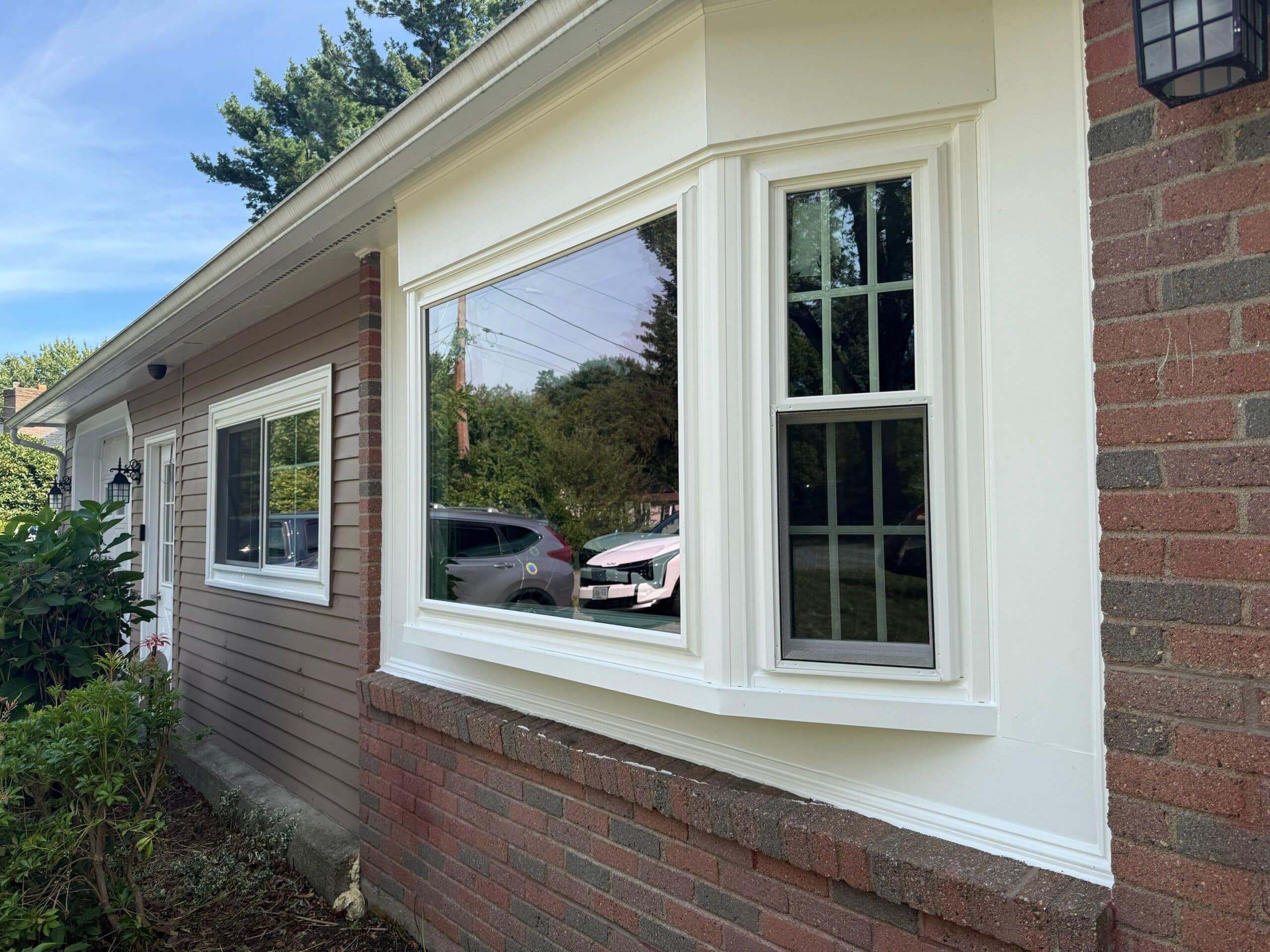
Energy efficient windows deliver real, measurable savings on your utility bills. With heating costs among the highest in the nation, upgrading your windows is one of the smartest investments you can make in your home.
- Utility bill savings — Upgrading from single to triple pane windows can save you over $500 per year on energy bills. That adds up quickly, with or without a federal tax credit.
- U-Factor performance — A window with a U-Factor of 0.27 or lower meets ENERGY STAR 7.0 requirements for the Northern Region. The lower the U-Factor, the less heat escapes — and the more you save every winter.
- New England energy costs — New England homeowners typically see faster payback on energy efficient window upgrades. That’s because heating costs here rank among the highest in the country! The Northern Region carries the strictest ENERGY STAR parameters for exactly this reason.
- Mass Save rebates — Even without the federal tax credit, Mass Save rebates may be available for qualifying window upgrades in Massachusetts. Save $75 per window when you upgrade your single-pane windows to ENERGY STAR® Most Efficient certified windows. You must make your purchase by December 31, 2026 to qualify.
Ready to lower your energy bills? Schedule your free window estimate this spring — and ask about financing up to 20 years.
Energy Efficient Roofing and Siding: Building Envelope Solutions
Your roof and siding work alongside your windows to form the building envelope that keeps conditioned air in and harsh New England weather out. Even without a federal tax credit driving the decision, the ROI on energy efficient roofing and siding upgrades remains strong.
- Roofing and the 25C credit (2025 filers) — Qualifying metal or reflective roofs may have been eligible for the 25C credit through December 31, 2025. If you replaced your roof last year, confirm eligibility with a tax professional before you file.
- Insulated vinyl siding — While siding was not eligible for the federal 25C credit, insulated vinyl siding improves your home’s thermal envelope and reduces heating and cooling costs year-round.
- James Hardie fiber cement — James Hardie fiber cement siding installed with a weather barrier also improves thermal performance, adding an extra layer of protection against New England’s freeze-thaw cycles.
- The building envelope approach — The biggest energy savings come when roofing, siding, and windows work together. Upgrading one while leaving the others unaddressed limits your results. A full building envelope assessment helps you prioritize where to invest first.
Thinking about a new roof or siding this spring? Get your free estimate from Coastal Windows & Exteriors — we’ll help you find the most energy efficient siding options and roofing solutions for your home and budget.
Why CWE Is the Right Choice for Energy Efficient Upgrades
When it comes to energy efficient windows in Massachusetts, New Hampshire, and Maine, credentials matter. Coastal Windows & Exteriors brings together GAF Master Elite certification, ENERGY STAR partnership, and James Hardie Elite Preferred status — making us one of the most credentialed exterior remodeling contractors in New England.
- GAF Master Elite Roofing Contractor — Less than 2% of roofing contractors in the country earn GAF Master Elite status. This certification means your roof installation meets the highest standards for workmanship and warranty protection.
- James Hardie Preferred Contractor — Coastal Windows & Exteriors is a James Hardie Elite Preferred Contractor, James Hardie Presidents Club Award Winner, and Vinyl Siding Institute Certified Installer. We install fiber cement and vinyl siding to manufacturer specifications . Our goal is to protect your home’s thermal envelope and your warranty!
- ENERGY STAR Certified Partner — As an ENERGY STAR Certified Partner, we install windows and doors that meet the Northern Region’s strictest energy efficiency standards. Every product we recommend is independently verified for performance.
- #1 Woman-Owned Exterior Remodeling Contractor in New England — Coastal Windows & Exteriors holds the #1 ranking for woman-owned exterior remodeling contractors in New England on Qualified Remodeler’s HIP 200 List!
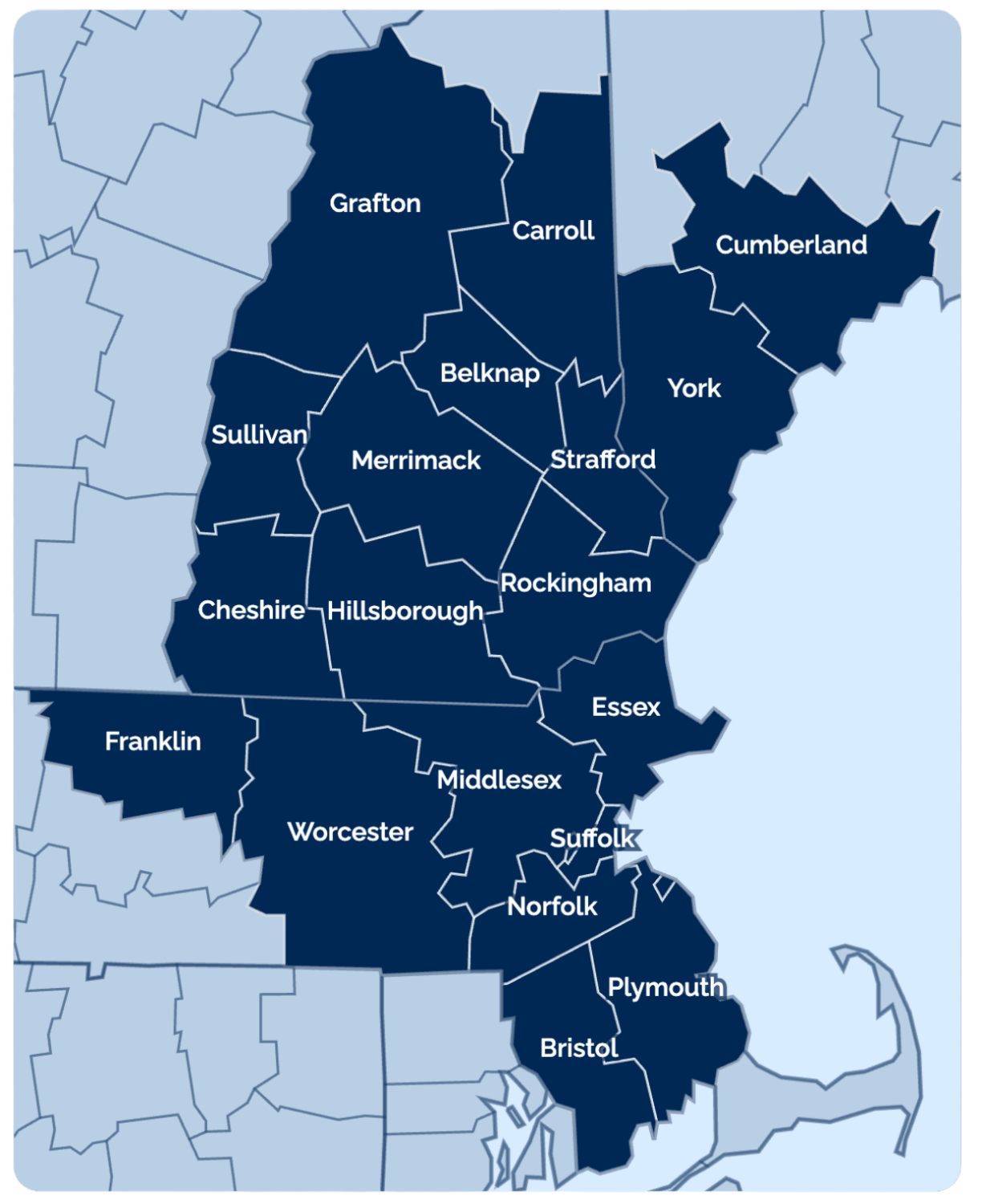
- Factory-trained installers across 730+ towns — Our factory-trained installers ensure your energy efficient upgrades are installed correctly — because even the best window performs poorly with a bad installation. We serve 730+ towns across MA, NH, and ME.
Ready to work with New England’s most trusted exterior contractor? Schedule your free consultation today.
Save Money Now with CWE Financing Options on Energy Efficient Roofing, Siding, Windows and Doors
Now that the federal tax credit is no longer available for 2026 improvements, CWE’s financing options can help bridge the gap:
- Financing up to 20 years — Based on credit approval, extended financing terms keep monthly payments manageable and make energy efficient upgrades accessible without the tax credit offset.
- Affordable monthly payments — Spreading your investment over time means you start saving on energy bills right away — often before you’ve finished paying for the upgrade.
- Seasonal promotion — This spring, Coastal Windows & Exteriors is offering 50% off installation on windows, roofing, siding, and doors. Seasonal incentives like this replace the urgency the tax credit previously created.
- Easy to ask about — Just mention financing when you schedule your free estimate and we’ll walk you through current offers and find a payment plan that works for your budget.
Ask about our current financing options when you schedule your free estimate!
Frequently Asked Questions About Energy Efficient Home Improvements Tax Credits
How much can homeowners save with energy-efficient windows?
Homeowners who upgrade from single to triple pane windows can save over $500 per year on energy bills. In Massachusetts, where households spend roughly $600 per month on energy, that savings adds up fast.
ENERGY STAR certified windows cut heating and cooling costs by up to 13% compared to non-certified products. New England’s cold winters make high-performance windows one of the smartest upgrades!
What New England Homeowners Need to Know About Window Energy Savings
- Single to triple pane upgrade: Switching from single to triple pane windows saves over $500 per year on energy bills.
- Double to triple pane gains: Upgrading from double to triple pane can improve energy efficiency by 40% or more. These windows keep your home warmer in the winter and cooler in the summer.
- U-Factor matters: A U-Factor of 0.27 or lower meets ENERGY STAR Northern Region requirements. The lower the number, the less heat escapes through your windows.
- Draft performance: The most energy efficient windows carry ENERGY STAR certification with a 0.1 CFM draft rating. That tight seal stops cold air from sneaking in around the frame.
- Mass Save rebates available: Massachusetts homeowners may qualify for $75 per window through Mass Save. You no longer need a federal tax credit to lower your upfront cost.
Comparing Window Types by Energy Performance
Window Type | U-Factor Range | Energy Efficiency Gain | Best For |
Single Pane | High (poor) | Baseline | Replacement only |
Double Pane | 0.30 to 0.45 | Moderate improvement | Budget-conscious upgrades |
Triple Pane | 0.20 to 0.30 | 40%+ over double pane | Maximum savings, New England climates |
ENERGY STAR Certified | 0.27 or lower | Up to 13% on heating/cooling | All homeowners seeking verified performance |
Maximize Energy Savings: Our Recommendations
Top Recommendation: Triple pane ENERGY STAR certified windows for New England homeowners. They deliver the strongest combination of energy savings, draft protection, and long-term value. Contact Coastal Windows & Exteriors for windows that save energy and create comfortable homes!
Best for Budget: Double pane ENERGY STAR certified windows offer a solid improvement over single pane. They meet Northern Region requirements and still qualify for Mass Save rebates.
Best for Maximum Payback: Triple pane windows with a U-Factor of 0.27 or lower. Pair them with Mass Save rebates to reduce your upfront investment today.
Request a free window estimate from Coastal Windows & Exteriors.
Browse our complete window FAQ guide from Coastal Windows & Exteriors.
Explore our window Exterior Remodeling Home Improvement Help Center.
Last Updated: July 2026
Sources:
- Upgrading from single-pane to triple-pane windows can save homeowners more than $500 annually on energy costs. ENERGY STAR Windows, Doors & Skylights ENERGY STAR’s product page on certified windows, doors, and skylights with efficiency and savings guidance. (Accessed April 2026)
- When a homebuilder upgrades windows from double- to triple-pane, energy efficiency can improve by 40% or more. PNNL How Triple-Pane Windows Stop Energy and Money Flying Out the Window Pacific Northwest National Laboratory’s research article explaining the energy performance benefits of triple-pane windows over double-pane. (2025)
- Installing ENERGY STAR certified windows, doors, and skylights can reduce heating and cooling costs by up to 13% compared to non-certified products. ENERGY STAR Windows, Doors & Skylights ENERGY STAR’s official page on certified window and door products and their energy cost savings potential. (Accessed April 2026)
- Massachusetts households spend approximately $600 per month on energy bills. Boston.com Massachusetts Utilities Report Boston.com report on monthly utility costs including gas, electric, and other energy expenses for Massachusetts residents. (2024)
- Triple-pane windows carry a U-value range of 0.20–0.30, while double-pane windows fall between 0.30 and 0.45. China North Glass Soundproofing Benefits of Double vs. Triple Pane Insulating Glass Manufacturer resource comparing U-value efficiency ratings and performance characteristics of double- and triple-pane glass. (2025)
- The most energy-efficient windows carry ENERGY STAR certification with a 0.1 CFM draft rating. China North Glass Soundproofing Benefits of Double vs. Triple Pane Insulating Glass Resource detailing draft performance ratings and their relationship to window energy certification standards. (2025)
- China North Glass — Soundproofing Benefits of Double vs. Triple Pane Glass: chinanorthglass.com
Does Mass Save offer rebates for window replacement in Massachusetts?
Mass Save offers $75 per window when you upgrade single-pane windows to ENERGY STAR Most Efficient certified windows. This program is currently active and available to Massachusetts homeowners.
The federal 25C tax credit expired on December 31, 2025. Mass Save is now the primary rebate option for MA homeowners replacing windows in 2026. Qualifying windows must meet ENERGY STAR Most Efficient certification, which is a higher bar than standard ENERGY STAR labeling.
What Massachusetts Homeowners Need to Know About Mass Save Window Rebates
- Rebate amount: Mass Save pays $75 per window for qualifying upgrades. You must be replacing single-pane windows with ENERGY STAR Most Efficient certified windows to qualify.
- Higher certification required: ENERGY STAR Most Efficient is a stricter standard than a basic ENERGY STAR label. Not every window qualifies, so product selection matters here.
- Federal credit is gone: The 25C tax credit expired at the end of 2025. For 2026 window projects, Mass Save is your best available rebate option in Massachusetts.
- CWE installs qualifying products: Coastal Windows & Exteriors is an ENERGY STAR Certified Partner. We install windows that meet Northern Region performance requirements for Massachusetts homes.
- Combine rebates with financing: Mass Save rebates can be combined with CWE’s financing options, available up to 20 years based on credit approval. That lowers your upfront cost and monthly payment at the same time.
- Ongoing energy savings add up: ENERGY STAR certified windows cut heating and cooling costs by up to 13% compared to non-certified products. Massachusetts households spend roughly $600 per month on energy, so that savings is real and recurring.
How to Stack Your Window Savings in Massachusetts
Savings Option | Status | Amount | How to Access |
Mass Save Rebate | Active | $75 per window | Upgrade single-pane to ENERGY STAR Most Efficient |
Federal 25C Tax Credit | Expired 12/31/2025 | No longer available | 2025 filers only; consult a tax professional |
Energy Bill Reduction | Ongoing | $500+/yr* | Install ENERGY STAR certified windows |
CWE Financing | Available | Up to 20 years, credit-based | Combine with Mass Save rebate at time of purchase |
*When switching from single to triple pane windows
Best Savings for Replacement Windows in Massachusetts
Top Recommendation: ENERGY STAR Most Efficient certified windows through a Mass Save-eligible contractor. You get the $75-per-window rebate now and energy savings every month after. Contact Coastal Windows & Exteriors today for a free estimate!
Best for Budget: Pair your Mass Save rebate with CWE financing. Spreading costs over time while collecting a rebate upfront makes the project more accessible for most homeowners.
Best for Maximum Savings: Triple pane ENERGY STAR certified windows deliver over $500 per year in energy bill savings. Stack that with a Mass Save rebate to accelerate your payback timeline.
Request a free window estimate from Coastal Windows & Exteriors.
Browse our complete window FAQ guide from Coastal Windows & Exteriors.
Explore our Windows Exterior Remodeling Home Improvement Help Center.
Last Updated: July 2026
Sources:
- Installing ENERGY STAR certified windows, doors, and skylights can reduce heating and cooling costs by an average of up to 13% compared to non-certified products. ENERGY STAR Windows, Doors & Skylights, ENERGY STAR’s official resource on certified window and door products and their energy-saving performance. (Accessed April 2026)
- Massachusetts households spend approximately $600 per month on energy bills. Boston.com Massachusetts Utilities Report, Boston.com’s report on what Massachusetts residents pay monthly for gas, electric, and other utilities. (2024)
- Upgrading from single-pane to triple-pane windows can save homeowners over $500 per year on energy bills. ENERGY STAR Windows, Doors & Skylights, ENERGY STAR’s guidance on the annual energy savings achievable through certified window upgrades. (Accessed April 2026)
- When a homebuilder upgrades windows from double- to triple-pane, the energy efficiency performance of the windows can improve by 40% or more. PNNL How Triple Pane Windows Stop Energy Loss, Pacific Northwest National Laboratory’s research on the thermal performance gains from triple-pane window technology. (2025)
What ENERGY STAR rating do windows need to qualify for Massachusetts rebates?
To qualify for Mass Save rebates in Massachusetts, windows must meet ENERGY STAR Most Efficient certification. That is a stricter standard than a basic ENERGY STAR label.
In Massachusetts, New Hampshire, and Maine, windows must achieve a U-Factor of 0.27 or lower to meet Northern Region requirements. This is the most demanding climate zone threshold in the country. Not every window on the market meets this bar. At Coastal Windows & Exteriors, you can expect the best draft ratings for windows in the industry!
What New England Homeowners Need to Know About Window Ratings
- Two levels of ENERGY STAR: A standard ENERGY STAR label is not enough for Mass Save rebates. Windows must carry the ENERGY STAR Most Efficient designation to qualify for $75 per window.
- Northern Region U-Factor threshold: Massachusetts, New Hampshire, and Maine fall under the Northern Region standard. Windows must achieve a U-Factor of 0.27 or lower to qualify.
- Lower U-Factor means better performance: The U-Factor measures how much heat escapes through a window. A lower number means your home stays warmer in winter with less energy required.
- Soft-Lite Elements benchmark: Coastal Windows & Exteriors installs the Soft-Lite Elements triple-pane casement window. It achieves a U-Factor of 0.16, well below the 0.27 Northern Region threshold.
- NFRC certification required: All qualifying windows must be independently tested and certified by the National Fenestration Rating Council. Look for the NFRC label on the window before purchasing.
- Draft performance matters too: The most energy efficient ENERGY STAR certified windows carry a 0.1 CFM draft rating. That tight air seal works alongside a low U-Factor to reduce heating costs.
Energy Star Ratings That Make a Difference
Top Recommendation: Triple pane windows with ENERGY STAR Most Efficient certification and a U-Factor well below 0.27. Ask us about our triple pane windows with 0.1 CFM draft ratings for maximum energy savings!
Best for Rebate Eligibility: Confirm the NFRC label and ENERGY STAR Most Efficient designation before purchasing. Your contractor should be able to verify this for you upfront.
Best for Maximum Efficiency: The lowest U-Factor available in your budget wins in New England’s climate. A U-Factor of 0.16 delivers noticeably better performance than one at 0.27.
Request a free window estimate from Coastal Windows & Exteriors.
Browse our complete window FAQ guide from Coastal Windows & Exteriors.
Explore our window Exterior Remodeling Home Improvement Help Center.
Last Updated: July 2026
Sources:
- ENERGY STAR certified windows, doors, and skylights can reduce heating and cooling costs by an average of up to 13% compared to non-certified products. ENERGY STAR ENERGY STAR’s official product page for windows, doors, and skylights covering energy savings and certification standards. (Accessed April 2026)
- Upgrading to triple-pane windows from single-pane can save homeowners over $500 per year on energy bills. ENERGY STAR ENERGY STAR’s resource on window efficiency upgrades and annual energy savings potential. (Accessed April 2026)
- When a homebuilder upgrades windows from double- to triple-pane, energy efficiency performance can improve by 40% or more. Pacific Northwest National Laboratory PNNL’s research on the performance advantages of triple-pane windows over double-pane. (2025)
- The most energy-efficient ENERGY STAR certified windows carry a 0.1 CFM draft rating. China North GlassComparative analysis of double- vs. triple-pane insulating glass efficiency ratings, draft performance, and U-values. (2025)
- Triple-pane windows achieve a U-value of 0.20–0.30, compared to 0.30–0.45 for double-pane windows. China North Glass Breakdown of U-factor performance differences between double- and triple-pane insulating glass. (2025)
- The average cost of window replacement in New England is $21,922. JLC Online Cost vs. Value 2025 regional data for New England window replacement projects. (2026)
- Window replacement delivers a return on investment of 76%. JLC Online Cost vs. Value 2025 national data on window replacement ROI. (2026)
Are exterior doors eligible for energy tax credits?
The federal 25C tax credit for energy efficient exterior doors expired on December 31, 2025. It no longer applies to doors installed in 2026.
If your qualifying exterior door was installed in 2025, you can still claim 30% of the cost, up to $250 per door and a maximum of $500 for doors per year, on your 2025 tax return.
What Homeowners Need to Know About Door Tax Credits and Energy Savings
- Federal credit is expired: The 25C tax credit for exterior doors ended December 31, 2025. Work done in 2026 does not qualify for any federal door tax credit.
- 2025 filers: act now: Doors installed by December 31, 2025 that met ENERGY STAR Most Efficient criteria were eligible for 30% of cost, up to $250 per door.
- Annual cap applies: The maximum credit for doors in a single tax year was $500. That covered up to two qualifying doors if each reached the $250 per-door cap.
- ENERGY STAR Most Efficient required: Not every ENERGY STAR-labeled door qualified. The door had to earn the stricter ENERGY STAR Most Efficient designation to be eligible.
- File with IRS Form 5695: Use IRS Form 5695, Residential Energy Credits, to claim your 2025 door credit. Your contractor can provide product documentation and the QMID needed to file.
- Long-term energy savings continue: ENERGY STAR certified doors still reduce heating and cooling costs by up to 13% compared to non-certified products. That benefit does not expire.
Comparing Exterior Door Options and Their Value
Door Type | Avg. National Cost | ROI | ENERGY STAR Most Efficient Possible? | Best For |
Steel Entry Door | $2,500 | 236% | Yes, select models | Budget-conscious buyers, durability |
Grand Fiberglass Entry Door | $12,000+ | Strong resale value | Yes, select models | Curb appeal, premium performance |
How to Maximize Energy Savings with Entry Doors
Top Recommendation: Steel entry doors for New England homeowners who want strong ROI and durability. Select models qualify for ENERGY STAR Most Efficient certification. Contact Coastal Windows & Exteriors for your free estimate!
Best for 2025 Filers: Gather your QMID from your contractor and file IRS Form 5695 before your tax deadline. Consult a tax professional to confirm eligibility.
Best for Long-Term Value: Any ENERGY STAR certified exterior door delivers up to 13% savings on heating and cooling. That payback compounds over the life of the door.
Request a free door estimate from Coastal Windows & Exteriors.
Browse our complete door FAQ guide from Coastal Windows & Exteriors.
Explore our door Exterior Remodeling Home Improvement Help Center.
Last Updated: July 2026
Sources:
- ENERGY STAR certified exterior doors can reduce heating and cooling costs by up to 13% compared to non-certified products. ENERGY STAR Windows, Doors & Skylights, ENERGY STAR’s official product page on energy savings for certified windows, doors, and skylights. (Accessed April 2026)
- A steel entry door averages $2,547 installed in New England. JLC Online 2025 Cost vs. Value Report — New England, JLC Online’s regional cost and resale value data for common remodeling projects in New England. (2026)
- A grand fiberglass entry door costs an estimated $11,953 in New England. JLC Online 2025 Cost vs. Value Report — New England, JLC Online’s regional breakdown of installation costs and return on investment for exterior door upgrades. (2026)
- Steel entry doors deliver a return on investment of 216%. JLC Online 2025 Cost vs. Value Report, JLC Online’s national cost-versus-value data on resale returns for steel entry door replacements. (2026)
- Grand fiberglass entry doors yield an 85% return on investment. JLC Online 2025 Cost vs. Value Report, JLC Online’s national data on resale value for grand fiberglass entry door installations. (2026)
Is there a tax credit for replacing exterior doors with energy-efficient ones?
A federal tax credit did exist for energy efficient exterior doors, but it expired on December 31, 2025. The credit applied to qualifying door purchases and installations from January 1, 2023 through December 31, 2025.
No federal replacement credit currently exists for doors installed in 2026 or later.
What Homeowners Need to Know About the 25C Door Tax Credit
- Program dates: The 25C tax credit covered energy efficient exterior doors purchased and installed between January 1, 2023 and December 31, 2025. That window is now closed.
- Credit amounts: Eligible homeowners could claim 30% of the door’s product cost, up to $250 per door. The cap for all door credits in a single tax year was $500.
- 2025 filers still qualify: If your door was installed by December 31, 2025, you can still claim the credit on your 2025 federal tax return. The deadline to file is not the same as the installation deadline.
- ENERGY STAR Most Efficient required: Not all ENERGY STAR-labeled doors qualified. The door needed to meet the stricter ENERGY STAR Most Efficient designation to be eligible for the credit.
- How to file: Claim your 2025 door credit using IRS Form 5695, Residential Energy Credits. You will need the Qualified Manufacturer ID Number, or QMID, from your contractor to complete the form.
- CWE provides documentation: Coastal Windows & Exteriors can supply the manufacturer documentation and QMID needed to file your 2025 credit claim. Just reach out to our team and we’ll get it to you.
2025 Door Tax Credit: At a Glance
Detail | Amount or Status |
Program dates | January 1, 2023 through December 31, 2025 |
Credit percentage | 30% of product cost |
Per-door maximum | $250 |
Annual maximum (all doors) | $500 |
Certification required | ENERGY STAR Most Efficient |
Filing form | IRS Form 5695 |
Status for 2026 installations | Expired, not available |
If You Haven’t Yet Filed Your 2025 Taxes
Top Recommendation: If your door was installed in 2025, file now. Gather your QMID and submit IRS Form 5695 with your 2025 return before the tax deadline.
Best for Documentation: Work with your installer directly. Coastal Windows & Exteriors provides QMID paperwork and product certification upon request for all qualifying installations.
Best Long-Term Value: Even without the tax credit, ENERGY STAR certified doors cut heating and cooling costs by up to 13% compared to non-certified products. That savings continues every year.
Request a free door estimate from Coastal Windows & Exteriors.
Browse our complete door FAQ guide from Coastal Windows & Exteriors.
Explore our door Exterior Remodeling Home Improvement Help Center.
Last Updated: July 2026
Sources:
- ENERGY STAR certified windows, doors, and skylights can reduce heating and cooling costs by an average of up to 13% compared to non-certified products. ENERGY STAR Windows, Doors & Skylights, ENERGY STAR’s official product guidance on energy savings for certified windows, doors, and skylights. (Accessed April 2026)
How much energy can a new front door save over time?
A new ENERGY STAR certified front door can cut heating and cooling costs by up to 13% compared to a non-certified product. In New England, where energy bills run high year-round, that kind of savings adds up quickly.
Reducing air infiltration in your home cuts natural gas or heating oil consumption by 15%. A well-insulated, properly sealed front door plays a direct role in that reduction. Massachusetts households spend roughly $600 per month on energy bills, so even modest improvements deliver real annual savings.
What New England Homeowners Need to Know About Door Energy Savings
- ENERGY STAR certified doors deliver: Replacing a non-certified door with an ENERGY STAR certified model cuts heating and cooling costs by up to 13% on average. That benefit shows up on your utility bill every single month.
- Air infiltration is the enemy: Drafts and heat loss through your front door are a significant source of wasted energy. Reducing air infiltration cuts natural gas or heating oil consumption by 15%.
- Massachusetts energy costs make this matter more: The average Massachusetts household spends roughly $600 per month on energy. A 13% reduction on heating and cooling is hundreds of dollars back in your pocket each year.
- Most homes are under-insulated already: Nine out of 10 U.S. homes are under-insulated. A leaky or outdated front door makes that problem worse and drives up your monthly bills further.
- Steel doors offer outstanding ROI: Steel entry doors deliver a 236% return on investment. That’s one of the highest ROI exterior upgrades available, combining strong energy performance with exceptional resale value.
- Savings compound over time: A door installed today keeps performing for decades. Each year of reduced heating and cooling costs builds on the last, making it one of the smartest long-term home investments available.
Comparing Exterior Door Options for Energy Savings and Value
Door Type | Avg. National Cost | ROI | ENERGY STAR Certified? | Best For |
Steel Entry Door | $2,547 | 216% | Yes, select models | Best combination of savings and ROI |
Grand Fiberglass Entry Door | $11,953 | Strong resale value | Yes, select models | Premium performance and curb appeal |
Get the Most out of Entry Door Installation: Our Recommendations
Top Recommendation: An ENERGY STAR certified steel entry door for most Massachusetts homeowners. It delivers up to 13% heating and cooling savings, a 236% ROI, and strong long-term durability.
Best for Long-Term Payback: Any ENERGY STAR certified door pays for itself through consistent monthly energy savings. The longer you stay in your home, the more you save over time.
Best for Premium Performance: A grand fiberglass entry door offers top-tier insulation and curb appeal. It’s a strong choice for homeowners who want both beauty and energy efficiency.
Request a free door estimate from Coastal Windows & Exteriors.
Browse our complete door FAQ guide from Coastal Windows & Exteriors.
Explore our door Exterior Remodeling Home Improvement Help Center.
Last Updated: July 2026
Sources:
- ENERGY STAR certified windows, doors, and skylights can reduce heating and cooling costs by up to 13% compared to non-certified products. ENERGY STAR Windows, Doors & Skylights, ENERGY STAR’s official product guidance on certified windows, doors, and skylights and their energy savings benefits. (No date)
- Reducing air infiltration in a home cuts natural gas or heating oil consumption by 15%. ENERGY STAR Why Seal and Insulate, ENERGY STAR’s guidance on the energy and cost benefits of sealing and insulating your home to reduce air infiltration. (No date)
- The average Massachusetts household spends roughly $600 per month on energy bills. Boston.com Massachusetts Utilities Report, Boston.com’s report on monthly utility costs for Massachusetts households including gas, electric, and other services. (2024)
- Nine out of 10 homes in the U.S. are under-insulated. ENERGY STAR Why Seal and Insulate, ENERGY STAR’s guidance on home insulation gaps and the energy-saving potential of sealing and insulating. (No date)
- Steel entry doors deliver a strong return on investment for homeowners. Remodeling Magazine Cost vs. Value Report, Annual cost vs. value data on the resale return of steel entry door replacement projects. (2026)
- A grand fiberglass entry door is estimated to cost approximately $11,953 in New England. Remodeling Magazine Cost vs. Value Report – New England, Regional cost and value data for grand fiberglass entry door installation projects in New England. (2026)
Does a new roof qualify for a federal energy tax credit?
The federal 25C tax credit for qualifying roofing products expired on December 31, 2025. Standard asphalt shingles did not qualify under the program.
Certain metal and reflective roofing products were eligible, but that credit is now gone for 2026 installations.
What Homeowners Need to Know About Roofing and Federal Tax Credits
- Credit is expired: The 25C federal tax credit for qualifying roofing products ended December 31, 2025. There is no federal replacement credit for roof installations done in 2026 or later.
- Asphalt shingles did not qualify: Standard asphalt shingles were not eligible under the 25C program. Only specific metal and reflective roofing products met the qualifying criteria.
- 2025 filers: consult a tax professional: If you replaced your roof before December 31, 2025 with a qualifying product, a tax professional can help confirm eligibility and guide your filing.
- GAF Master Elite status matters for warranty: Coastal Windows & Exteriors is a GAF Master Elite Roofing Contractor, representing less than 2% of roofing contractors nationwide. This status allows us to offer the Golden Pledge Limited Warranty, the strongest warranty available from GAF.
- Roofing still delivers long-term value: A new asphalt roof averages $37,701 nationally and delivers a 68% ROI. Metal roofs average $56,000 and can last up to 70 years, while quality asphalt shingles last up to 50 years.
- Financing is available: Coastal Windows & Exteriors offers financing up to 20 years based on credit approval. That makes a roof replacement more manageable even without a tax incentive.
Best Recommendations for Energy Efficient Roofing
Top Recommendation: Asphalt shingles for most New England homeowners replacing a roof in 2026. They deliver proven performance, strong longevity, and a 56% ROI — no tax credit required.
Best for Long-Term Investment: Metal roofing for homeowners planning to stay long-term. An up to 70-year lifespan and strong energy performance make it worth the higher upfront cost.
Best for Warranty Protection: Work with a GAF Master Elite contractor like Coastal Windows & Exteriors. It’s the only way to access the Golden Pledge Limited Warranty, the strongest warranty GAF offers.
Request a free roofing estimate from Coastal Windows & Exteriors.
Browse our complete roofing FAQ guide from Coastal Windows & Exteriors.
Explore our Roofing Exterior Remodeling Home Improvement Help Center.
Last Updated: July 2026
Sources:
- Homeowners should inspect their roof at least twice a year, in the spring and fall. GAF Residential Roofing FAQsGAF’s official guidance on roof inspection frequency and maintenance schedules. (2025)
- The average cost to replace an asphalt roof in New England and the return on investment for asphalt roofing. Remodeling Magazine Cost vs. Value 2025 New England Regional cost data for roofing replacement projects in New England. (2026)
- The return on investment for metal roofing and national roofing cost benchmarks. Remodeling Magazine Cost vs. Value 2025 National cost vs. value data for roofing and home improvement projects. (2026)
Can a new roof help lower my energy bills even without a tax credit?
A new roof can lower your energy bills through proper ventilation, material selection, and quality installation. The tax credit was a bonus — the real savings come from how your roof performs year-round.
Proper roof ventilation allows warm air to shift out and be replaced with cooler air continuously. This keeps attic temperatures regulated, reduces condensation that can lead to mold, and keeps your insulation performing well.
How a New Roof Lowers Energy Bills in New England
- Ventilation is the foundation: Good attic ventilation regulates temperature year-round. It reduces condensation that can result in mold and keeps your insulation in good condition — protecting both your energy bill and your home’s structure.
- Cobra Ridge Vent and MasterFlow work together: GAF’s roofing system uses Cobra Ridge Vent at the ridge for exhaust and MasterFlow Intake Soffit Vents at the soffits for intake. This balanced airflow system actively reduces energy loss through the attic.
- Metal roofs offer energy advantages: Metal roofs can save significant energy compared to asphalt through their reflective properties and reduced heat absorption. That difference shows up on your cooling bills every summer.
- Ice and water shield protects your investment: Coastal Windows & Exteriors installs 6 feet of ice and water shield as part of every roof installation. This protects New England homes from the freeze-thaw cycles that drive up energy bills and repair costs.
- An aging roof works against you: A roof more than 20 years old with damage or recurring issues may be letting conditioned air escape. Replacing it restores your home’s thermal envelope and stops that energy loss.
- The ROI is real: Roofing delivers a 68% return on investment nationally. A new asphalt roof averages $35,000 while a metal roof averages $56,000 — either option improves energy performance and long-term home value.
Comparing Roof Types for Energy Performance in New England
Top Recommendation: A properly ventilated asphalt roof system with Cobra Ridge Vent and MasterFlow for most New England homeowners. It delivers meaningful energy savings at a lower upfront cost. Contact Coastal Windows & Exteriors for an estimate on energy efficient roofing!
Best for Maximum Energy Performance: Metal roofing for homeowners planning a long-term stay. Reflective properties reduce heat absorption and deliver significant energy savings compared to asphalt.
Best for New England Protection: Work with a GAF Master Elite contractor who installs 6 feet of ice and water shield. That standard protects against the freeze-thaw damage that drives up both repair and energy costs.
Request a free roofing estimate from Coastal Windows & Exteriors.
Browse our complete roofing FAQ guide from Coastal Windows & Exteriors.
Explore our Roofing Exterior Remodeling Home Improvement Help Center.
Last Updated: July 2026
Sources:
- Proper roof ventilation regulates attic temperature year-round, reducing condensation that can lead to mold and keeping insulation performing well. GAF Best Roofing Materials and Colors for Energy Efficiency GAF’s guidance on how roofing materials and ventilation choices impact home energy performance. (2024)
- Metal roofs can deliver meaningful energy savings compared to asphalt shingles through their reflective properties and reduced heat absorption. Oak Ridge National Laboratory Metal Roof Energy Study Research from Oak Ridge National Laboratory on the comparative energy performance of metal roofing versus asphalt. (2013)
- Homeowners should inspect their roof at least twice a year, in the spring and fall, and consult a roofing professional if their roof is more than 20 years old or has extensive damage or recurring issues. GAF Residential Roofing FAQsGAF’s official guidance on roof inspection frequency, maintenance schedules, and when replacement may be necessary. (2025)
- Cobra Ridge Vent is installed at the ridge for exhaust, and MasterFlow Intake Soffit Vents are installed at the soffits for intake to create a balanced ventilation system that reduces ice dam formation. GAF Ice Dams: Cause and Preventative Measures GAF’s technical bulletin on the causes of ice dams and how proper ventilation and leak barriers help prevent them. (2025)
- The average cost to replace an asphalt roof in New England is $35,701, while a metal roof averages $56,282; asphalt roofing carries a 68% ROI and metal roofing carries a 50% ROI nationally. JLC Online Cost vs. Value 2025 — New England Remodeling magazine’s regional cost-versus-value data for roofing projects in New England. (2026)