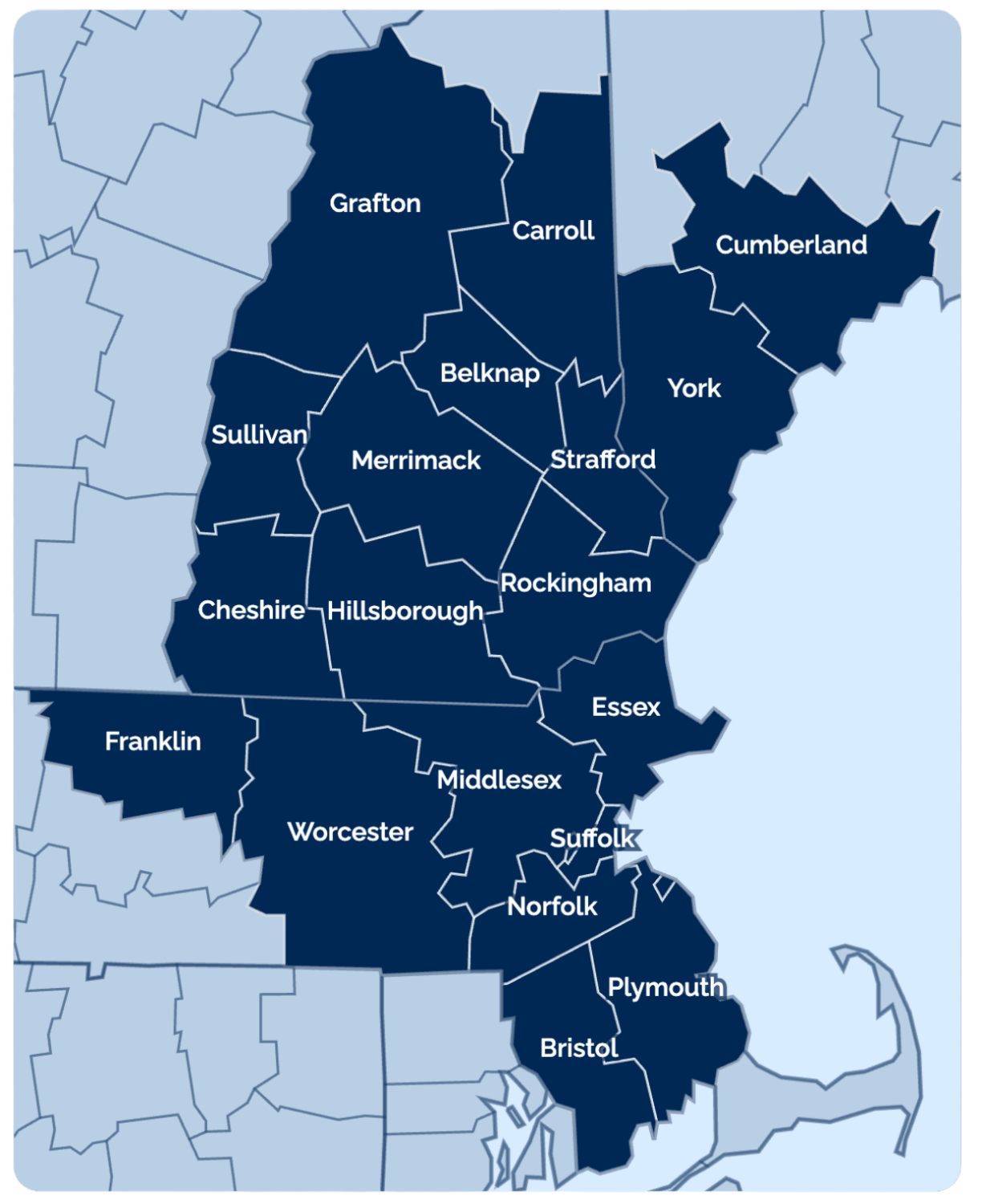

New windows, insulated entry doors, and insulated vinyl siding offer the best fall energy savings before winter. Serving 730+ towns across Massachusetts, New Hampshire and Maine, Coastal Windows & Exteriors is a woman-owned exterior remodeling company with 7,000+ installations completed since 2011. Finished this fall, these upgrades start trimming heating bills before the coldest months arrive.
Fall Energy Upgrades That Cut Heating Bills
- Windows first: Windows drive 25% to 30% of home heating and cooling energy use, per the Department of Energy. Get a free estimate this fall to find your biggest savings.
- Insulated doors: Insulated steel and fiberglass entry doors beat wood for energy efficiency, per the Department of Energy. They also help block the drafts that raise bills.
- Siding insulation: Foam-backed vinyl siding offers more insulating power than fiber cement, wood, or brick. Its foam backing covers the studs, and preparing your exterior this fall locks in comfort before winter.
- Sealed shell: The EPA estimates air sealing and added insulation save about 15% on heating and cooling. Nine of ten U.S. homes are under-insulated.
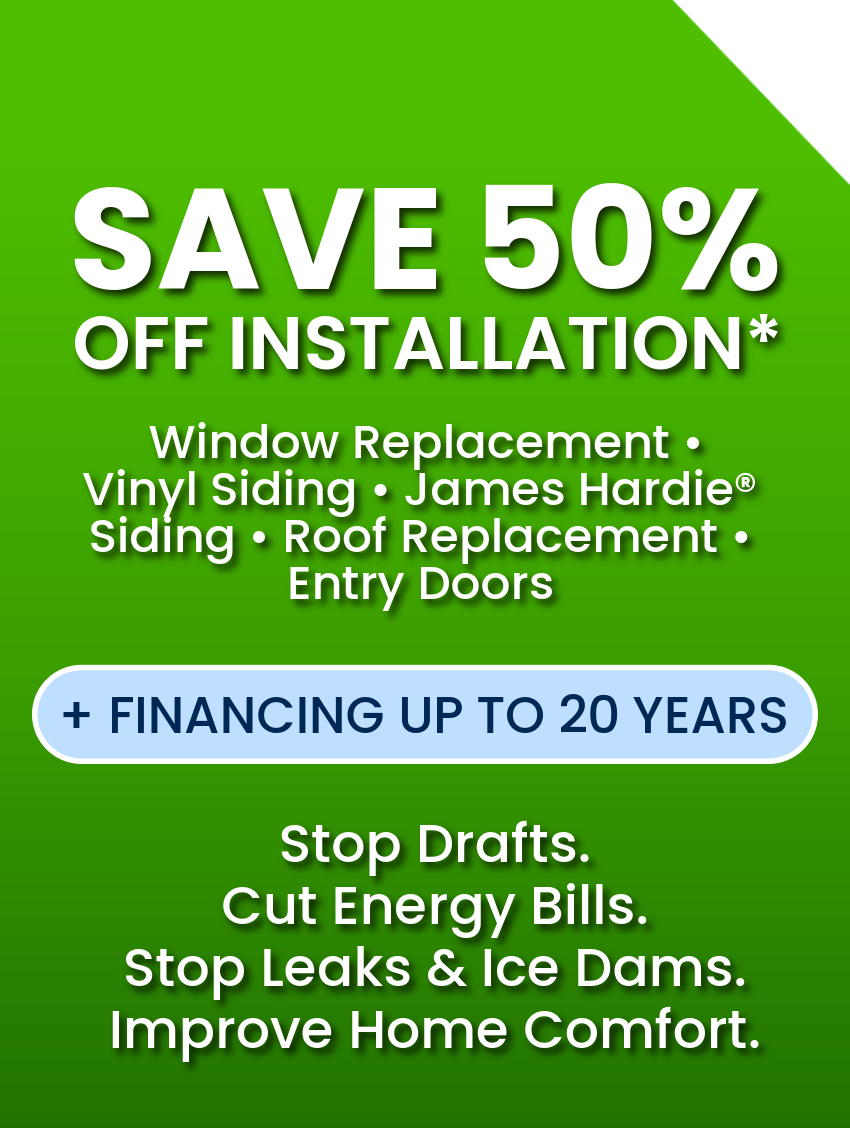
- Fall financing: Financing runs up to 20 years for large exterior projects, subject to credit approval. Fall pricing includes 50% off installation.
Where to Start This Fall
Top Recommendation: Windows deliver the biggest energy lever, since they drive up to 30% of heating and cooling use. Book a free estimate with Coastal Windows & Exteriors this fall.
Next add doors: Insulated steel or fiberglass entry doors improve efficiency over old wood units.
Then insulated siding: Foam-backed vinyl adds insulating power across the whole wall.
Request a free estimate from Coastal Windows & Exteriors.
Browse our complete window FAQ guide from Coastal Windows & Exteriors.
Explore the Coastal Windows & Exteriors Windows Exterior Remodeling Home Improvement Help Center.
Still have questions about What fall home exterior upgrades offer the best energy savings before winter? See the areas we serve and talk to your local exterior remodeling contractor.
Last Updated: September 2026
Sources:
- Heat gain and heat loss through windows account for 25% to 30% of home heating and cooling energy use. U.S. Department of Energy Energy Efficient Windows, the Energy Saver guide to window energy performance. (Accessed September 2026)
- Insulated steel and fiberglass entry doors are more energy efficient than wood doors. U.S. Department of Energy Doors, the Energy Saver guide to exterior door efficiency. (Accessed September 2026)
- CraneBoard Solid Core insulated siding offers more insulating power than fiber cement, wood, engineered wood, or brick. Westlake Royal Building Products CraneBoard Solid Core Siding, the manufacturer’s overview of insulated vinyl performance. (Accessed September 2026)
- The EPA estimates homeowners save an average of about 15% on heating and cooling by air sealing and adding insulation. ENERGY STAR Why Seal and Insulate, the EPA program’s guidance on sealing and insulating the home envelope. (Accessed September 2026)
- Nine out of ten homes in the United States are under-insulated. ENERGY STAR Why Seal and Insulate, the EPA program’s guidance on home insulation gaps. (Accessed September 2026)