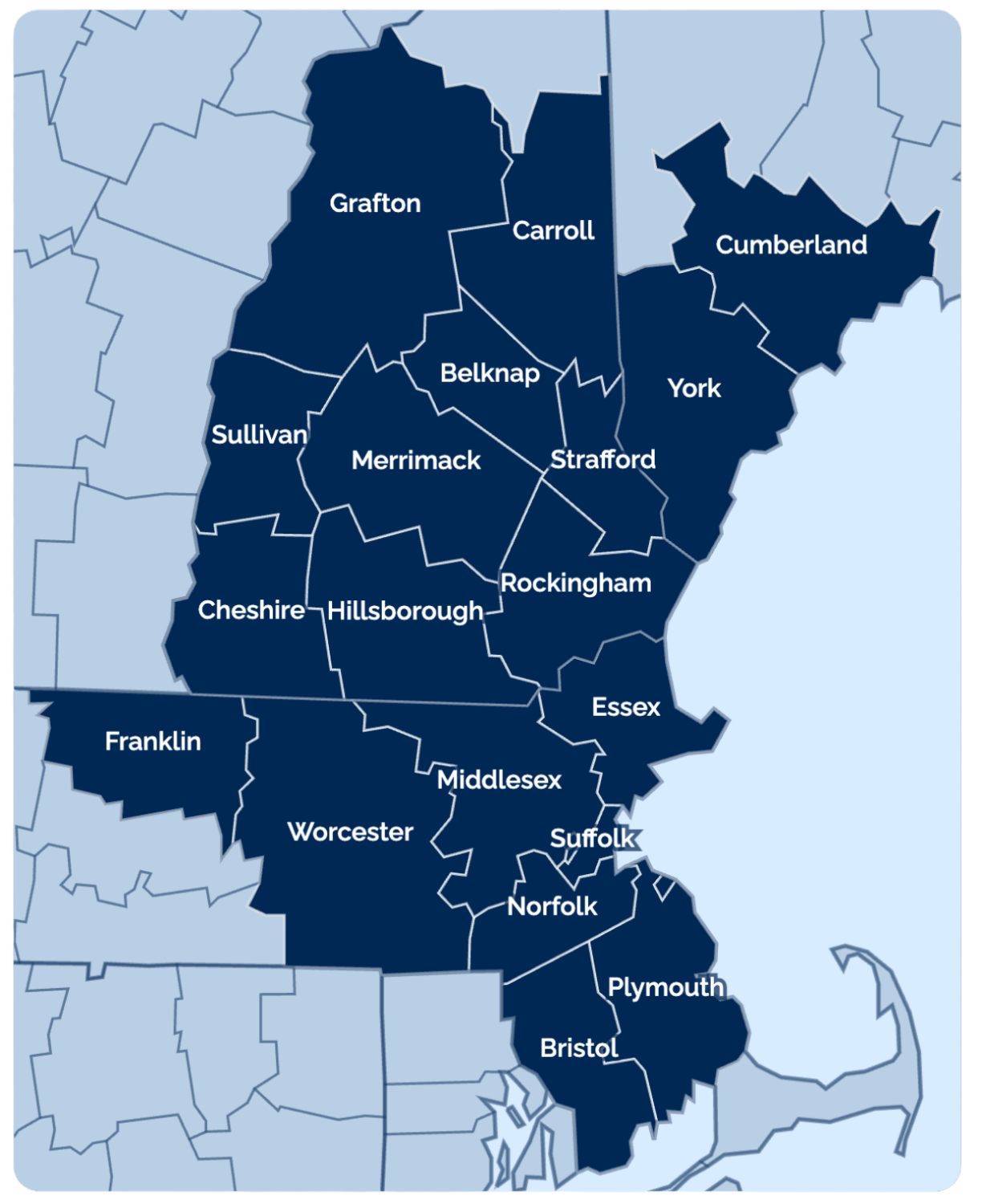


Yes — vinyl siding is recyclable, though it typically requires specialized facilities rather than curbside pickup, so recycling infrastructure varies by location. Coastal Windows & Exteriors is a woman-owned exterior remodeling company with 7,000+ installations completed since 2011, serving 730+ towns across Massachusetts, New Hampshire and Maine with durable, long-lasting vinyl siding.
Homeowners choosing vinyl can feel confident about the material’s durability and long service life.
Here’s what makes vinyl siding environmentally responsible:
- Material Recyclability — PVC (polyvinyl chloride) recycles indefinitely without degrading. Old vinyl siding becomes new siding, pipes, flooring, and other products. The material doesn’t downcycle into lesser applications like some plastics.
- Production Efficiency — Vinyl siding requires less energy to manufacture than fiber cement, aluminum, or wood products. Lower production energy means smaller carbon footprint before the product even reaches your home.
- Longevity Impact — Products lasting 40+ years reduce replacement frequency and associated environmental costs. Vinyl wood grain siding maintains appearance without the repainting that wood requires, eliminating paint production and disposal impacts.
- Maintenance Footprint — Vinyl requires no painting, staining, or chemical treatments. Wood and fiber cement need periodic refinishing with products that carry their own environmental costs.
- Local Recycling Options — The Vinyl Siding Institute maintains recycling programs, though availability varies.
- Comparison Context — Wood siding requires harvesting trees. Aluminum production is energy-intensive. Fiber cement manufacturing produces significant CO2. Vinyl’s recyclability and longevity make it competitive environmentally.
Vinyl Siding Sustainability Recommendations
- Best Overall: Vinyl siding balances recyclability, longevity, low maintenance, and reasonable manufacturing footprint for strong environmental performance.
- Best Practice: Ask your contractor about vinyl recycling programs when replacing existing vinyl siding.
- Key Insight: Durability matters most for sustainability. Products that last 40 years have half the lifecycle impact of products requiring replacement every 20 years, regardless of recyclability.
Ready for sustainable siding on your home? Coastal Windows & Exteriors installs premium vinyl siding and properly disposes of old materials. We’ve completed 7,000+ siding projects. Schedule your free consultation today.
Ready to invest in eco-friendly siding that lasts for decades? Schedule your free consultation now. Coastal Windows & Exteriors delivers sustainable siding solutions with 7,000+ installations.
Request a free siding estimate from Coastal Windows & Exteriors.
Browse our complete siding FAQ guide from Coastal Windows & Exteriors.
Explore our Siding Exterior Remodeling Home Improvement Help Center.
Still have questions about whether vinyl siding is recyclable? See the areas we serve and talk to your local siding contractor.
Last Updated: July 2026
Sources:
- Since 1995, vinyl siding has been the number one exterior cladding choice in the U.S. and Canada. Polymeric Exteriors ISHI Guide, Polymeric Exteriors’ technical guide covering vinyl siding’s market history, performance properties, and installation standards. (Accessed May 2026)
- Rigid PVC requires 45% oxygen and EPS insulation requires 24% oxygen to sustain combustion — higher than the 21% found in normal air — making them difficult to ignite. Polymeric Exteriors ISHI Guide, Polymeric Exteriors’ technical guide detailing fire safety and material performance characteristics of vinyl siding products. (Accessed May 2026)