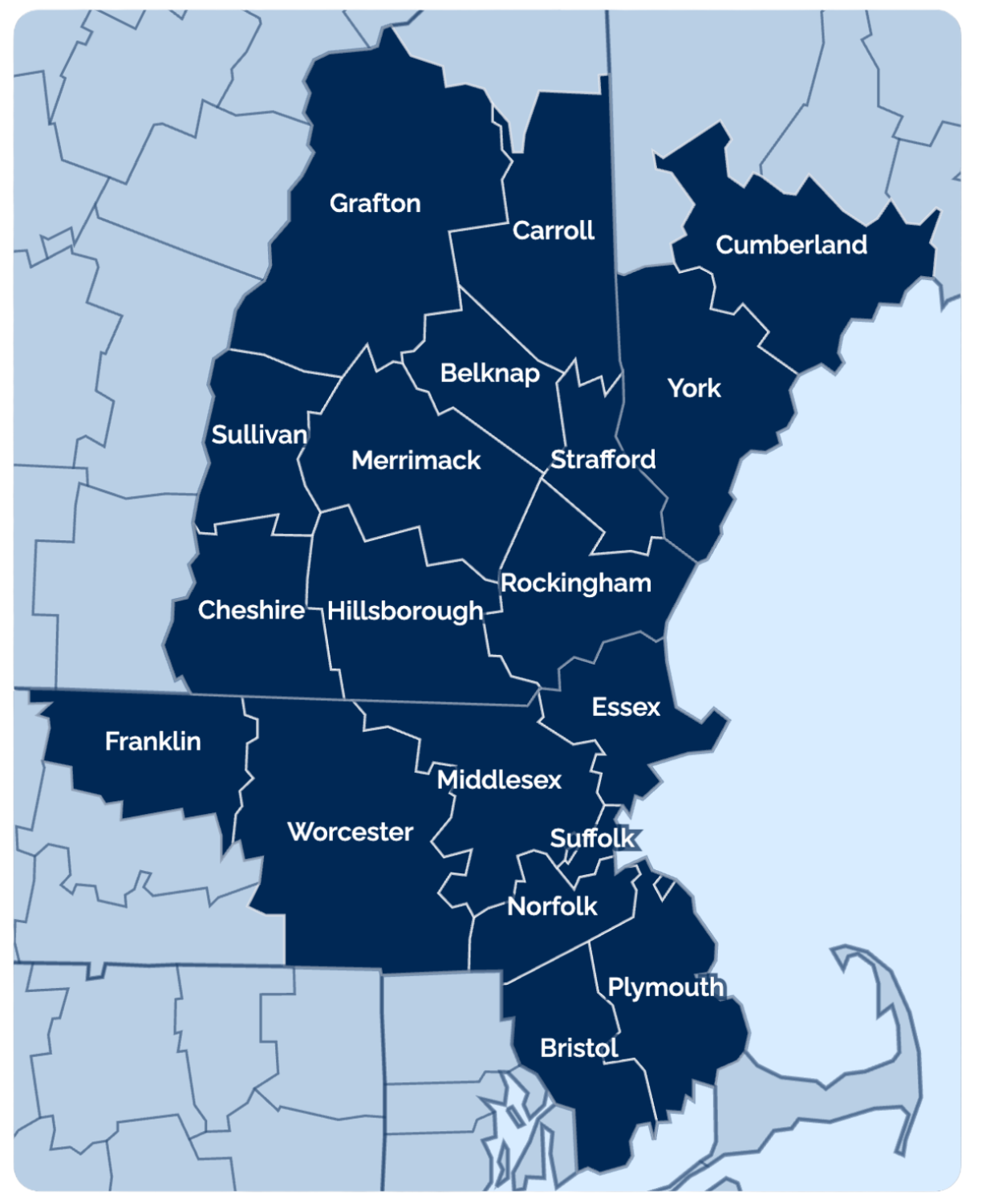


Rattling sashes, daylight around the frame, and cold drafts are the biggest signs your windows lose heat. Coastal Windows & Exteriors is an InstallationMasters-certified window installer and woman-owned exterior remodeling company with 7,000+ installations completed since 2011, serving 730+ towns across Massachusetts, New Hampshire and Maine. Spotting these early helps if you are looking for window replacement deals near me this fall.
Window Heat-Loss Warning Signs to Check
- Rattling sashes: A window that rattles in its frame may be leaking air. Get a free estimate this fall to check every frame before winter.
- Visible daylight: Daylight around a window frame means heated air is escaping through gaps. Sealing helps, but leaks often signal replacement.
- Cold drafts: Cool air near the frame on a chilly day points to a draft. These warning signs are easiest to catch as fall temperatures drop.
- Bill impact: Windows drive 25% to 30% of home heating and cooling energy use, per the Department of Energy. Leaky windows push that higher.
- Better glass: Gas-filled windows with low-e coatings and a low U-factor cut heat loss in cold climates. Fall pricing includes 50% off installation.
Fixing Window Heat Loss
Top Recommendation: Energy-efficient windows with low-e glass and gas fills cut heat loss in winter. Book a free estimate with Coastal Windows & Exteriors this fall.
Best for quick wins: Caulk and weatherstrip minor gaps to slow drafts until you replace.
Smart before winter: Checking every frame now beats discovering leaks in January.
Request a free window estimate from Coastal Windows & Exteriors.
Browse our complete window FAQ guide from Coastal Windows & Exteriors.
Explore the Coastal Windows & Exteriors Windows Exterior Remodeling Home Improvement Help Center.
Still have questions about What are the biggest signs that windows are causing heat loss and higher energy bills? See the areas we serve and talk to your local window contractor.
Last Updated: September 2026
Sources:
- Heat gain and heat loss through windows account for 25% to 30% of home heating and cooling energy use. U.S. Department of Energy Energy Efficient Windows, the Energy Saver guide to window energy performance. (Accessed September 2026)
- In cold climates, gas-filled windows with low-e coatings and a low U-factor reduce heat loss. U.S. Department of Energy Energy Efficient Windows, the Energy Saver guidance on cold-climate window selection. (Accessed September 2026)
- A window that rattles may be leaking air. U.S. Department of Energy Detecting Air Leaks, the Energy Saver guide to finding household air leaks. (Accessed September 2026)
- Visible daylight around a window frame means the window leaks. U.S. Department of Energy Detecting Air Leaks, the Energy Saver guide to spotting window and door leaks. (Accessed September 2026)
- Cool air felt near a window frame points to a draft where air leaks in. U.S. Department of Energy Detecting Air Leaks, the Energy Saver guide to locating drafts by inspection. (Accessed September 2026)