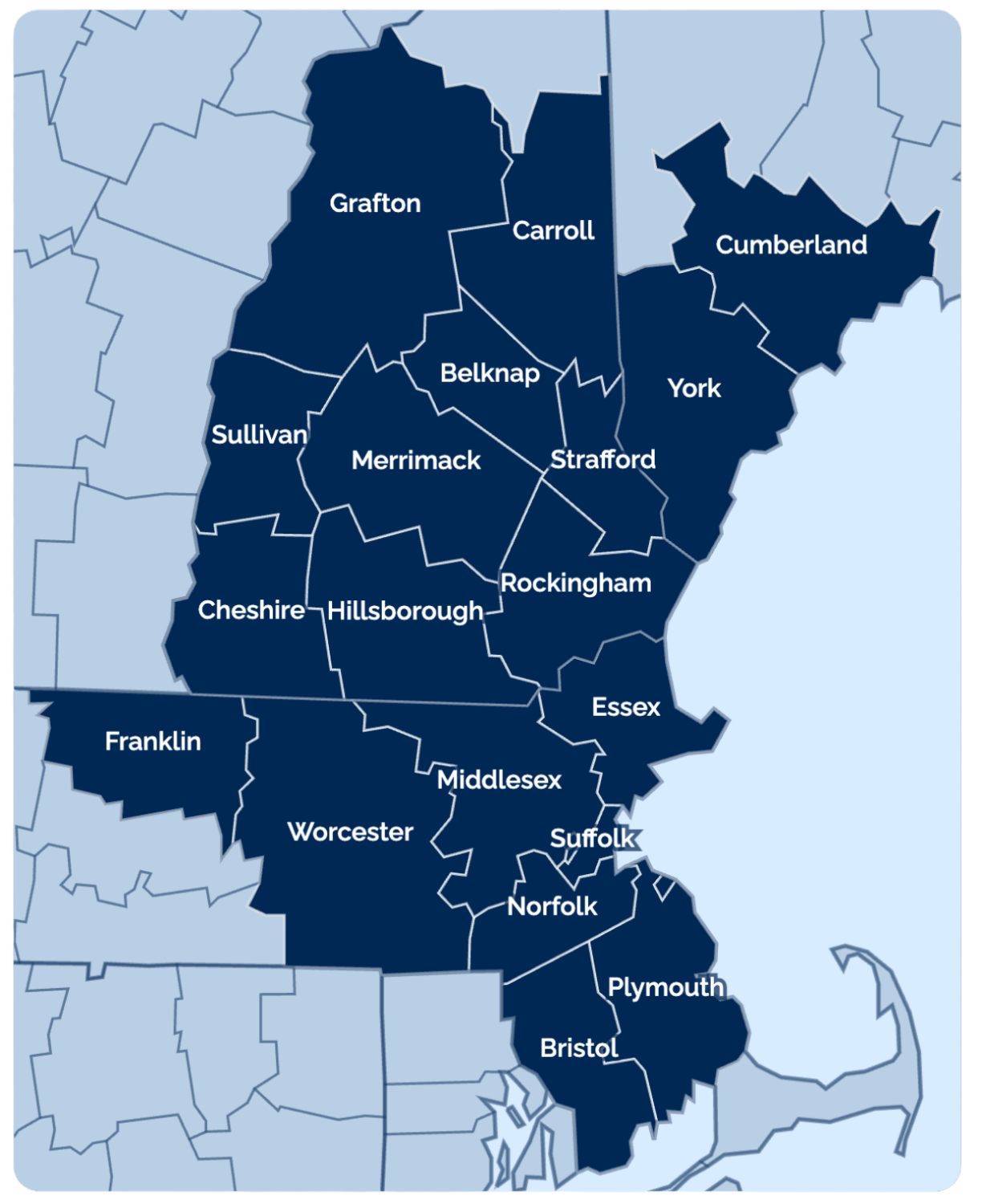


Roof flashing is a thin material, typically metal, installed at vulnerable roof areas to direct water away from seams and joints. Coastal Windows & Exteriors is a GAF Master Elite contractor and woman-owned exterior remodeling company that has completed 7,000+ installations since 2011 across 730+ towns in Massachusetts, New Hampshire and Maine, installing complete GAF roofing systems with properly integrated flashing, leak barriers, and ventilation.
According to GAF, proper flashing is a critical part of a complete roofing system — working alongside leak barriers, ventilation, and deck protection to keep water out. Homeowners often discover failing flashing is the hidden cause behind roof leaks and interior water damage.
What Homeowners Should Know About Roof Flashing
- Where it’s placed: Flashing is installed at chimneys, skylights, roof valleys, walls, and any roof penetration. These are the spots most vulnerable to water intrusion during heavy rain or snow melt.
- Why it matters in winter: One of the most important winter roofing tips is ensuring your flashing is intact before the season starts. Damaged or improperly sealed flashing allows ice dam water to enter the structure below the shingle line.
- Leak barrier backup: According to GAF, leak barriers are installed at the eaves to prevent water from entering through the roof deck, particularly where ice dams form. Flashing and leak barriers work together as your first line of defense.
- House wrap connection: Homeowners who wonder if house wrap is waterproof should know roof underlayment plays a similar role on the roof. Both materials act as secondary moisture barriers behind the exterior cladding or shingles.
- Repair costs add up fast: Emergency roof leak repair can cost nearly $1,800 — and costs up to twice as much as planned repairs. Keeping flashing maintained protects you from those unexpected bills.
- Inspection cadence: GAF recommends inspecting your roof at least twice a year, in spring and fall. A qualified contractor will check flashing integrity at every inspection visit.
Protecting Your Roof Before Problems Start
- Top Pick: A full roofing system inspection by a GAF Master Elite certified Coastal Windows & Exteriors, where coastal weather accelerates flashing wear.
- Worth knowing: Flashing failure rarely looks dramatic at first. Small rust stains or interior ceiling spots are often the first sign — catching it early keeps repair costs manageable.
- Don’t skip it: Flashing isn’t a DIY-friendly repair. Improper installation creates more problems than it solves — always hire a qualified, licensed contractor.
Request a free roofing estimate from Coastal Windows & Exteriors.
Browse our complete roofing FAQ guide from Coastal Windows & Exteriors.
Explore our Roofing Exterior Remodeling Home Improvement Help Center.
Still have questions about what is flashing on a roof? See the areas we serve and talk to your local roofing contractor.
Last Updated: July 2026
Sources:
- Leak barriers are installed at the eaves to prevent water from entering through the roof deck, particularly where ice dams form. GAF Ice Dam Cause and Preventative Measures Technical Bulletin, GAF’s technical guidance on leak barrier placement and their role in preventing ice dam water intrusion. (2025)
- Emergency roof leak repair can cost nearly $1,800, and emergency repairs can cost up to twice as much as planned repairs. This Old House Emergency Roof Leak Repair, This Old House’s cost breakdown for emergency roof leak repair versus scheduled maintenance repairs. (2025)
- Homeowners should have their roof inspected at least twice a year, in spring and fall. GAF Residential Roofing FAQs, GAF’s official guidance on roof inspection frequency and seasonal maintenance recommendations. (2025)