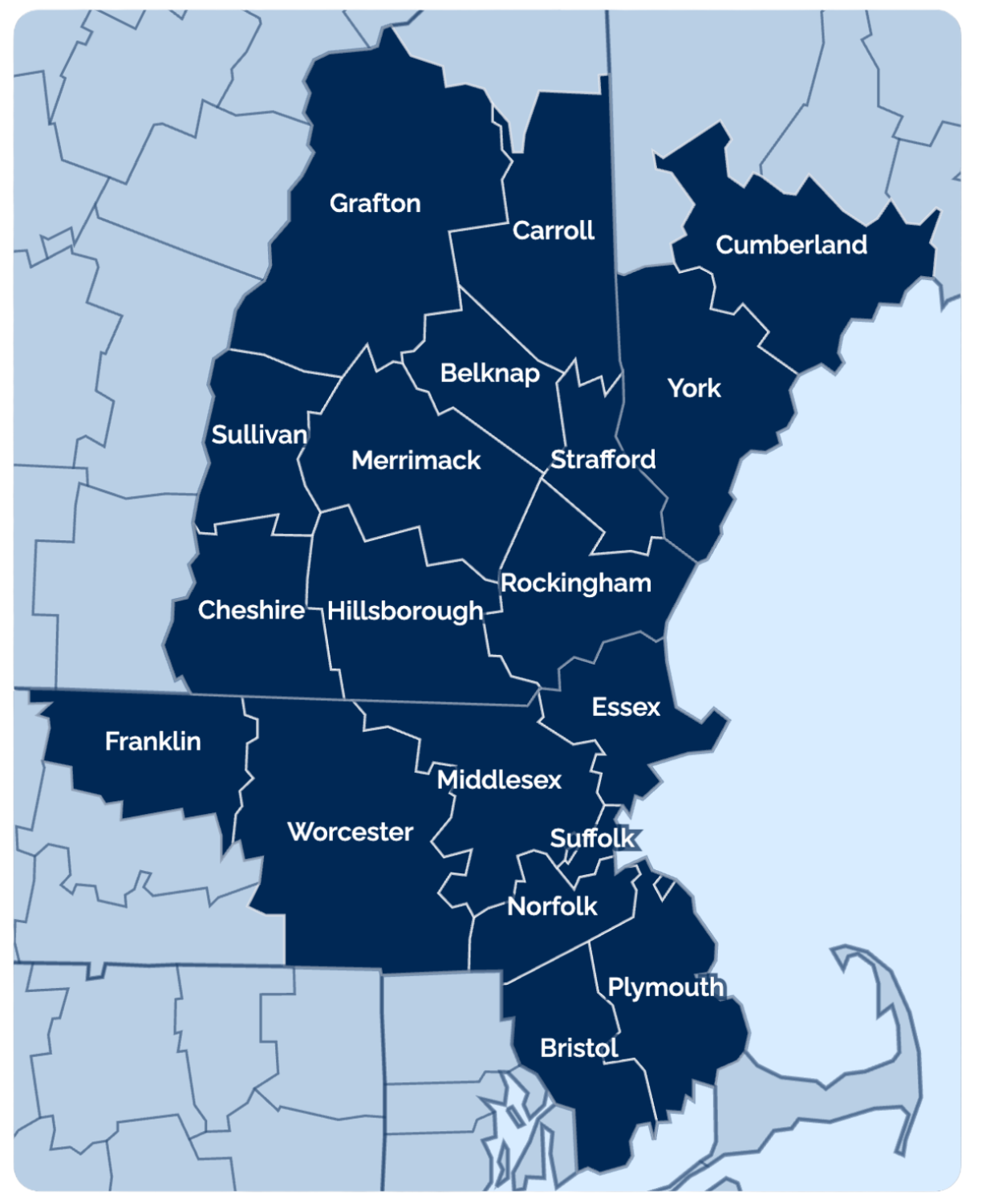



James Hardie fiber cement is widely considered the best siding available for homes. Serving 730+ towns across New Hampshire, Massachusetts and Maine, Coastal Windows & Exteriors is a woman-owned exterior remodeling company with 7,000+ installations completed since 2011. We are a James Hardie Elite Preferred contractor and the only woman-owned James Hardie President’s Club winner in New England. Our team installs James Hardie siding with ColorPlus finishes and HardieWrap weather barrier for long-lasting performance through harsh winters.
Fiber cement delivers a 144.9% return on cost across New England, plus exceptional durability. Insulated vinyl also earns top marks for value and efficiency. The best choice depends on your budget, priorities, and how long you’ll stay.
What Homeowners Need to Know:
- Fiber cement ROI: James Hardie fiber cement siding returns 121% ROI nationally at an average cost of $21,500. That’s the strongest return of any siding product available to homeowners today.
- Vinyl performance: Insulated vinyl siding delivers a 118% ROI at an average cost of $18,000. It has been the number one exterior cladding choice in the U.S. and Canada since 1995.
- Energy savings: Insulated siding improves a home’s air tightness by an average of 11%. Re-siding studies show average energy savings of 5.5% — meaningful for homeowners with high heating costs.
- Hardie board options: The most common types of Hardie board include HardiePlank lap siding, HardieShingle, and HardiePanel vertical siding. Each suits different architectural styles.
- Weather barrier advantage: James Hardie installed with HardieWrap weather barrier reduces natural gas and heating oil consumption by 15%. That protection is especially valuable for homes facing harsh winter conditions.
- ColorPlus durability: James Hardie’s ColorPlus technology delivers a factory-baked finish that never needs repainting. Painting the exterior of a house can cost up to $12,000 — ColorPlus eliminates that recurring expense entirely.
Best Siding Options
| Option | Pros | Cons | Best For | Price |
|---|---|---|---|---|
| James Hardie Fiber Cement | 121% ROI, ColorPlus finish, HardieWrap barrier, multiple types of hardie board | Higher upfront cost | Homeowners wanting maximum performance and curb appeal | Avg. $21,500 |
| Insulated Vinyl Siding | 118% ROI, 11% air tightness improvement, low maintenance | Less premium appearance | Budget-conscious homeowners wanting strong energy savings | Avg. $18,000 |
Source: Remodeling Magazine Cost vs. Value Report, 2024; Polymeric Exteriors Insulated Siding Guide
Choosing the Right Siding for Your Home
Best Overall: James Hardie fiber cement for homeowners who want the highest ROI, longest lifespan, and best cold-climate performance available.
Best Value: Insulated vinyl siding for homeowners who want proven energy savings and strong resale value at a more accessible price point.
Smart Next Step: Connect with experienced hardie siding contractors who can assess your home and recommend the right product for your specific needs and budget.
Request a free James Hardie siding estimate from Coastal Windows & Exteriors.
Browse our complete James Hardie siding FAQ guide from Coastal Windows & Exteriors.
Still have questions about the best siding you can put on your house? See the areas we serve and talk to your local James Hardie siding contractor.
Last Updated: October 2026
Sources:
- Insulated siding can tighten a home’s air envelope by an average of 11%. Polymeric Exteriors Insulated Siding Home Insulation Guide, Polymeric Exteriors’ industry review of how insulated siding improves a home’s air tightness. (Accessed October, 2026)
- Across five re-siding projects that were studied, homes averaged 5.5% in energy savings. Polymeric Exteriors Insulated Siding Home Insulation Guide, Polymeric Exteriors’ summary of measured energy savings from completed re-siding projects. (Accessed October, 2026)
- Vinyl has been the leading exterior cladding choice in the U.S. and Canada since 1995. Polymeric Exteriors Insulated Siding Home Insulation Guide, Polymeric Exteriors’ review of vinyl siding’s standing as the most-chosen cladding in North America. (Accessed October, 2026)
- Reducing a home’s air infiltration can cut natural gas or heating oil use by about 15%. ENERGY STAR Why Seal and Insulate, ENERGY STAR’s guidance on how sealing and insulating lowers home heating fuel consumption. (Accessed October, 2026)
- Repainting a home’s exterior can run as high as $12,000, a recurring cost that factory-finished siding avoids. NerdWallet Cost to Paint a House, NerdWallet’s breakdown of what homeowners typically pay to paint a home’s exterior. (2026)