
Vinyl and aluminum siding are both cladding options, but they perform very differently in cold climates. Serving 730+ towns across Maine, Massachusetts and New Hampshire, Coastal Windows & Exteriors is a woman-owned exterior remodeling company with 7,000+ installations completed since 2011. Our team installs vinyl siding built for durability, low maintenance, and long-term value.
Vinyl generally outperforms aluminum on durability, maintenance, and long-term value. Aluminum can dent and corrode over time, adding upkeep down the road. Knowing how they compare helps you choose the right fit.
What Homeowners Need to Know:
- Energy performance: Installing insulated vinyl siding improves a home’s air tightness by an average of 11%. Aluminum offers no comparable insulation benefit, making it a poor fit for energy-conscious homeowners.
- Durability difference: Vinyl resists denting, corrosion, and moisture damage far better than aluminum. In cold winters, that resilience translates directly into lower maintenance costs over time.
- Cost and ROI: Vinyl siding averages $18,000 and delivers an ROI of 118%. That return makes it one of the best siding investments available to homeowners today!
- Energy savings: Re-siding projects with insulated vinyl show average energy savings of 5.5%. Aluminum provides no meaningful reduction in heating or cooling energy use.
- Color retention: Roughly 65% of homeowners prefer neutral siding colors like white, gray, and soft blues. Vinyl holds color far longer than aluminum, especially with the application of our ChromaTrue technology.
- Fire resistance: Rigid PVC vinyl requires 45% oxygen to sustain combustion — well above the 21% found in normal air. That makes vinyl a safer exterior choice than aluminum.
Vinyl vs. Aluminum Siding
| Option | Pros | Cons | Best For | Price |
|---|---|---|---|---|
| Vinyl Siding | 118% ROI, insulation option, low maintenance, color variety | Can crack in extreme cold if low quality | Most homeowners wanting long-term value | Avg. $18,000 |
| Fiber Cement Siding | 121% ROI, premium durability, composite siding vs vinyl top pick | Higher upfront cost | Homeowners wanting maximum performance and curb appeal | Avg. $21,500 |
| Aluminum Siding | Lower upfront cost | Dents easily, fades, no insulation value, poor cold-climate performance | Not recommended for cold-climate homes | Varies |
Source: Remodeling Magazine Cost vs. Value Report, 2024; Polymeric Exteriors Insulated Siding Guide
Making the Right Choice for Your Home
Best Overall: Insulated vinyl siding for homeowners who want proven energy performance, strong ROI, and low lifetime maintenance costs.
Top Upgrade: Fiber cement siding for homeowners wanting premium aesthetics and the highest return on investment at 121%.
Worth Avoiding: Aluminum siding in cold climates — it dents, fades, and delivers none of the energy efficiency benefits that homes genuinely need.
Ready to explore siding options for your home? Coastal Windows & Exteriors provides free estimates with honest, pressure-free guidance. We’re the #1 woman-owned exterior remodeling contractor in New England with 7,000+ installations.
Call either location and we’ll connect you with the right team:
Request a free vinyl siding estimate from Coastal Windows & Exteriors.
Browse our complete vinyl siding FAQ guide from Coastal Windows & Exteriors.
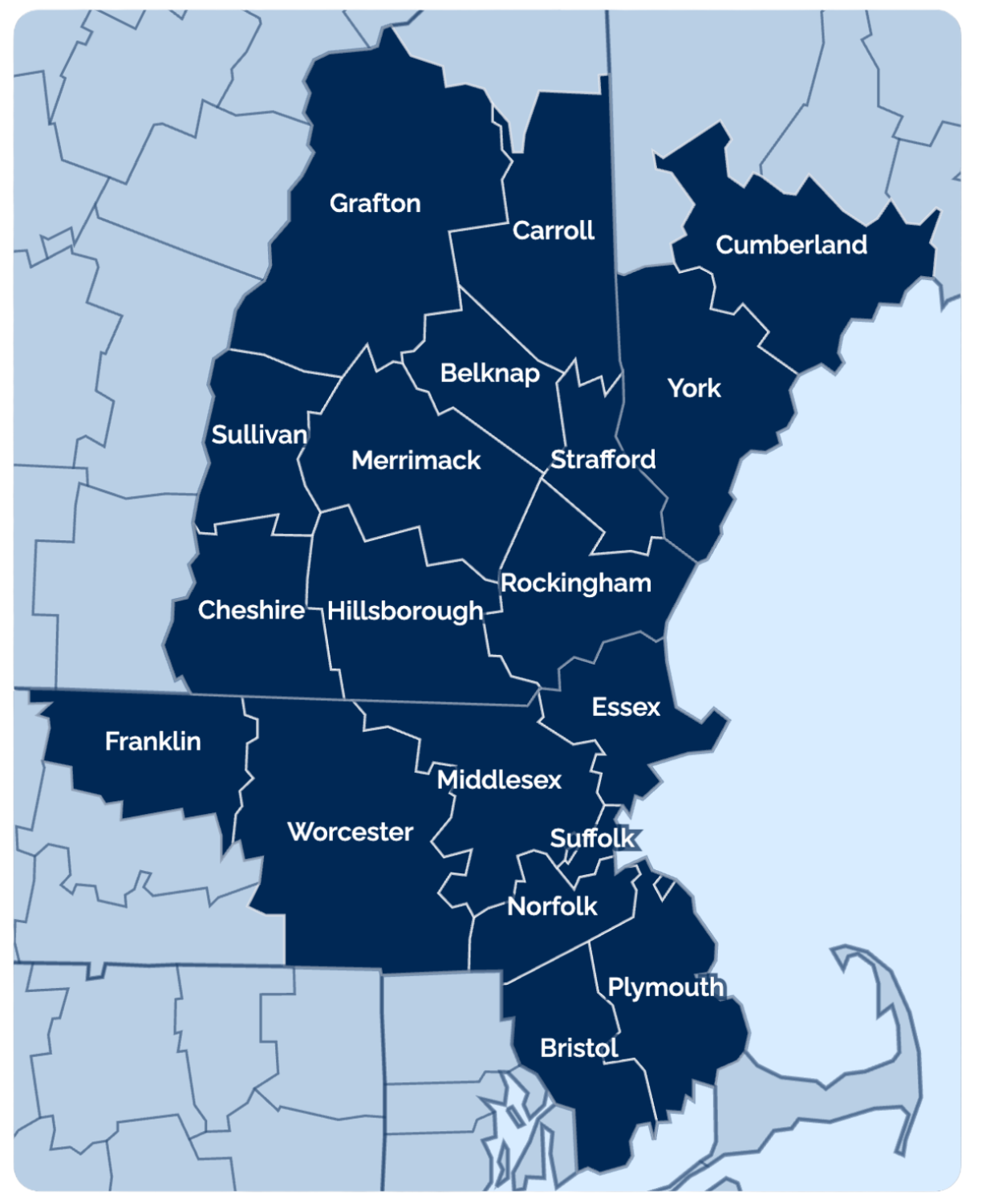
Still have questions about the difference between vinyl and aluminum siding? See the areas we serve and talk to your local vinyl siding contractor.
Last Updated: October 2026
Sources:
- Insulated siding can tighten a home’s air envelope by an average of 11%. Polymeric Exteriors Insulated Siding Home Insulation Guide, Polymeric Exteriors’ industry review of how insulated siding improves a home’s air tightness. (Accessed October, 2026)
- Across five re-siding projects that were studied, homes averaged 5.5% in energy savings. Polymeric Exteriors Insulated Siding Home Insulation Guide, Polymeric Exteriors’ summary of measured energy savings from completed re-siding projects. (Accessed October, 2026)
- Roughly 65% of homeowners favor neutral siding colors such as white, gray, and soft blue tones. Fixr Home Siding Statistics, Fixr’s data on homeowner color preferences for exterior siding. (2025)
- Rigid PVC needs about 45% oxygen to keep burning — far above the roughly 21% in normal air — which makes it hard to ignite. Polymeric Exteriors Insulated Siding Home Insulation Guide, Polymeric Exteriors’ explanation of the oxygen levels required for rigid PVC siding to combust. (Accessed October, 2026)