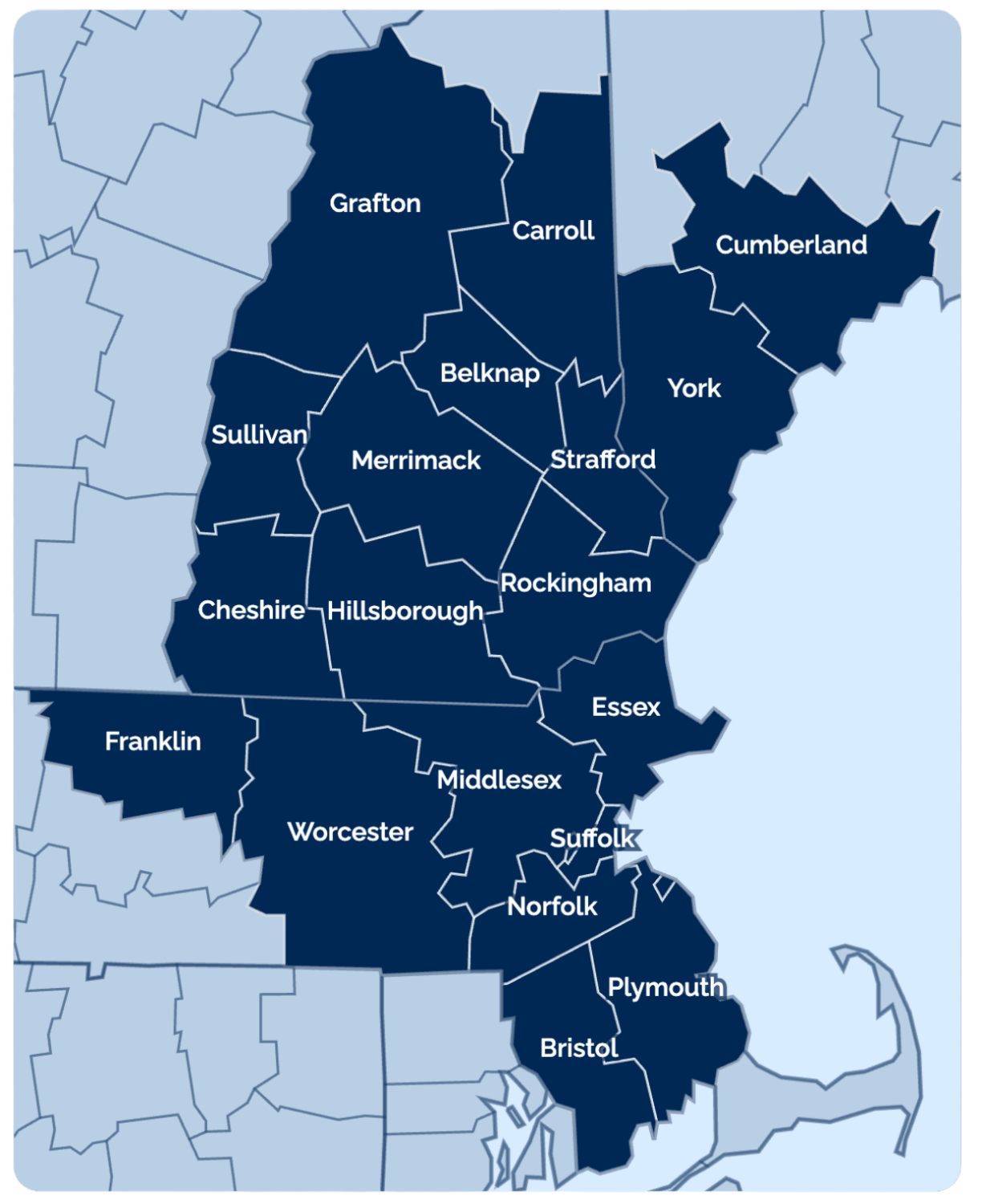


Insulated siding R-value measures how well the siding resists heat flow, and a higher number means better insulation. A woman-owned exterior remodeling company serving 730+ towns across Massachusetts, New Hampshire and Maine, Coastal Windows & Exteriors has completed 7,000+ installations since 2011 and installs foam-backed insulated vinyl siding built for cold-climate performance. R-value gives homeowners that answer, though exact numbers vary by manufacturer and profile.
What Homeowners Need to Know
- Heat resistance: R-value shows how well insulated siding slows heat flow, and higher insulates better.
- Verify the number: exact insulated siding R-value varies by panel.
- Continuous layer: foam backed vinyl siding adds insulation across the studs, reducing thermal bridging heat loss.
- Beats hard claddings: CraneBoard insulates more than fiber cement, wood, or brick, per manufacturer data.
- Coat analogy: think of R-value like the rating of a coat’s warmth, where higher ratings block more cold air. Insulated vinyl siding can improve your home’s air tightness by 25%.
- See real options: Coastal’s siding page walks through insulated panel choices in more detail.
Which Approach Fits Your Home
Top Recommendation: Foam backed vinyl siding at a rating of 3.0 to 4.0 for homeowners wanting the strongest available insulation profile. Get a free estimate for specifics.
Best for exact specs: A free in-home consultation for homeowners wanting a confirmed R-value for their chosen panel.
Smart for comparison shopping: Ask for manufacturer spec sheets before committing to any insulated siding product.
Request a free siding estimate from Coastal Windows & Exteriors.
Browse our complete siding FAQ guide from Coastal Windows & Exteriors.
Explore the Coastal Windows & Exteriors Siding Exterior Remodeling Home Improvement Help Center.
Still have questions about what the R-value of insulated siding is? See the areas we serve and talk to your local siding contractor.
Last Updated: September 2026
Sources:
- Installing insulated siding can improve a home’s air tightness by an average of 25%. ENERGY STAR — Why Seal and Insulate ENERGY STAR’s guidance on how insulated siding improves home air tightness. (Accessed July 2026)