

Condensation inside windows forms when warm, humid indoor air meets glass below the dew point. Coastal Windows & Exteriors is an InstallationMasters-certified installer and woman-owned exterior remodeling company with 7,000+ installations completed since 2011, serving 730+ towns across Massachusetts, New Hampshire and Maine with energy-efficient replacement windows that help homeowners separate everyday indoor humidity from the cold, inefficient glass that keeps drawing moisture. Where it comes from usually points to something simple inside the home.
What Homeowners Need to Know:
- Indoor humidity: condensation inside windows forms when moist air meets cold glass. Book a free in-home estimate if it lingers.
- Common sources: cooking, showers, laundry, and humidifiers add indoor moisture.
- When to worry: occasional fog is normal, but frequent moisture risks rot and mold. If it won’t wipe away, that signals seal failure, not surface humidity.
- Reduce it: run exhaust fans, use a dehumidifier, and lower humidifier settings.
- Cold glass sign: very cold glass can point to older, less efficient windows.
Which Approach Fits Your Home:
Top Recommendation: A free in-home estimate if condensation persists after reducing indoor humidity. Schedule your free estimate today with Coastal Windows!
Best for occasional fog: Run exhaust fans and a dehumidifier before assuming a window problem.
Smart for older homes: Full window replacement when cold, inefficient glass keeps drawing condensation.
Ready to figure out why your windows are fogging inside? Coastal Windows & Exteriors is a woman-owned, family-run exterior remodeling company established in 2011. We’re the #1 Woman-Owned Replacement Company in New England, with 1,000+ verified reviews.
Request a free window estimate from Coastal Windows & Exteriors.
Browse our complete windows FAQ guide from Coastal Windows & Exteriors.
Explore the Coastal Windows & Exteriors Windows Exterior Remodeling Home Improvement Help Center.
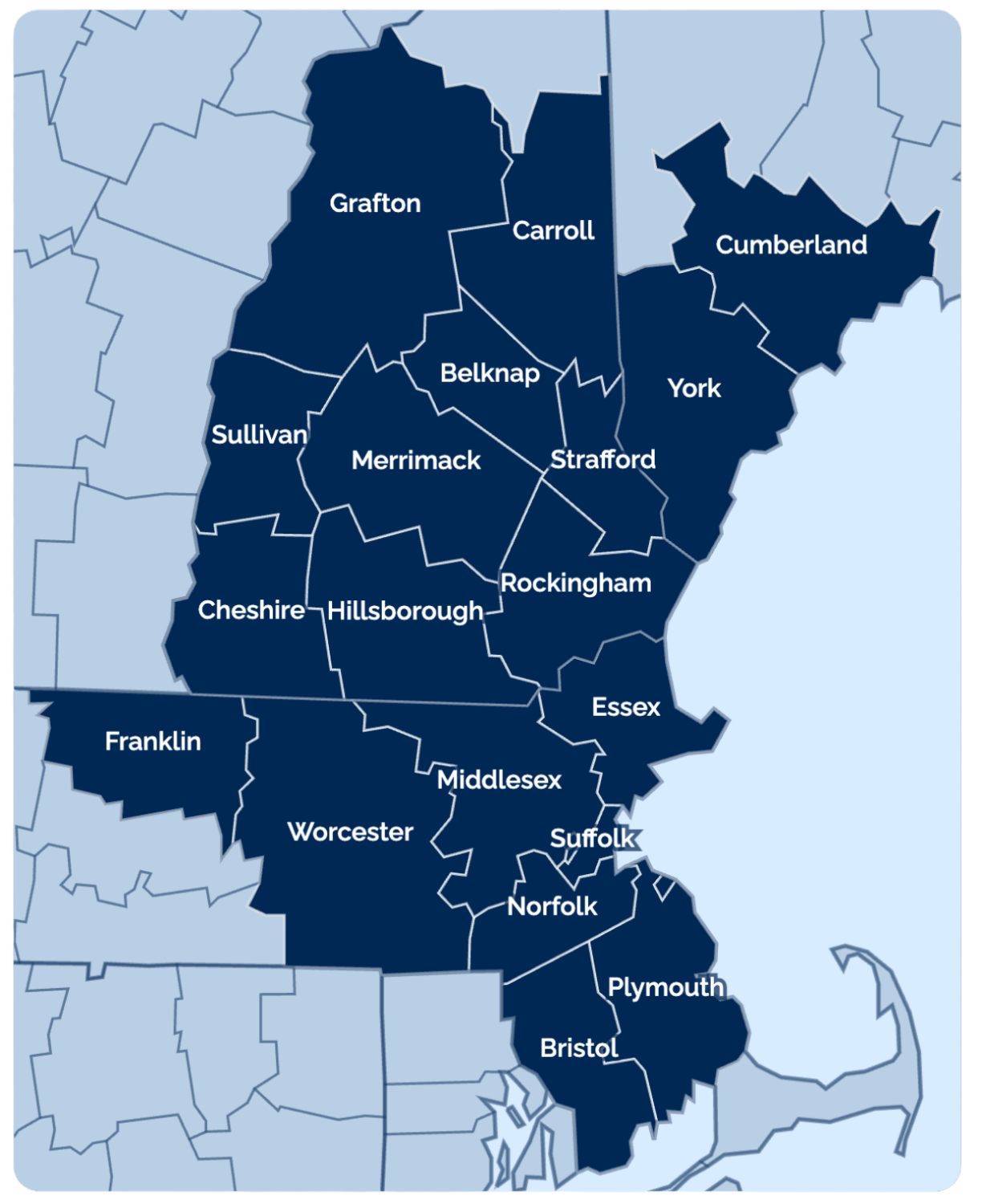
Still have questions about why there is condensation on the inside of your windows? See the areas we serve and talk to your local window contractor.
Last Updated: September 2026
Sources:
- Water condenses on a window surface when its temperature falls below the dew point of the surrounding air. ENERGY STAR Residential Windows, Doors, & Skylights, the EPA’s guidance on window condensation and energy performance. (Accessed July 2026)
- Condensation on the inside of a windowpane is a sign of excess indoor humidity, and keeping relative humidity below 60% helps prevent mold growth. US EPA A Brief Guide to Mold, Moisture and Your Home, the EPA’s guidance on moisture control, condensation, and mold prevention in the home. (Accessed July 2026)