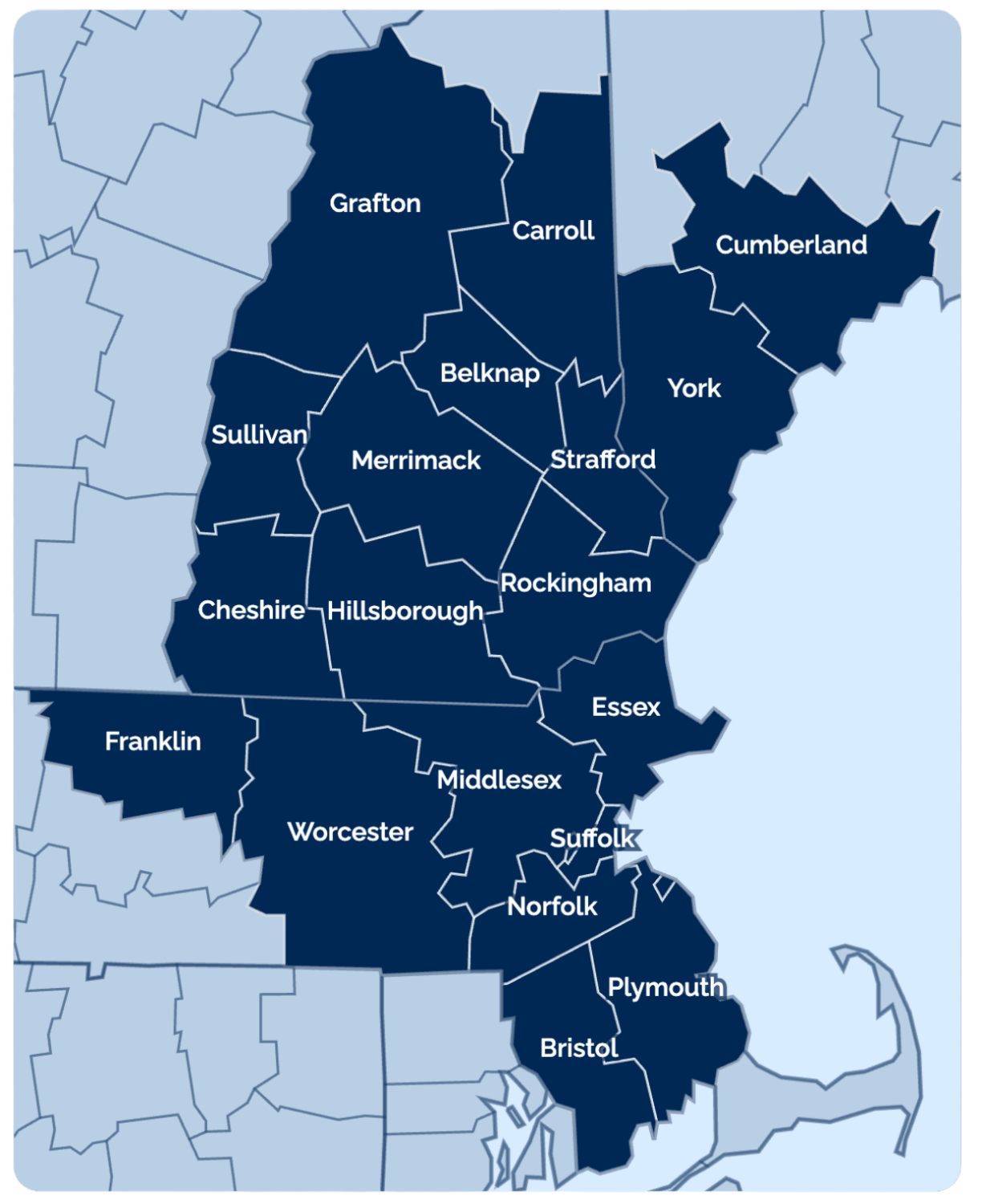

Vinyl siding significantly outperforms stucco for homeowners, delivering 97% ROI, proven durability, and low maintenance. Coastal Windows & Exteriors is a woman-owned exterior remodeling company serving 730+ towns across Massachusetts, New Hampshire and Maine with 7,000+ installations completed since 2011, installing low-maintenance vinyl siding built to hold up through freeze-thaw cycles where stucco tends to fail.
Stucco absorbs moisture quickly, and winters cause this siding to fail fast. Homeowners searching for the best siding for cold conditions choose vinyl for good reason!
What Homeowners Need to Know:
- Stucco’s Coastal Track Record Is Poor: Salt air, wet winters, and freeze-thaw cycles cause stucco to crack, stain, and let moisture in. Coastal homes with vinyl can avoid these vulnerabilities.
- Vinyl Delivers 97% ROI: Quality vinyl siding averages $17,590 nationally and returns more than the full investment at resale. For homeowners weighing coastal siding options, that’s a hard number to argue with.
- Insulated Vinyl Cuts Energy Costs: Installing insulated vinyl siding improves home air tightness by an average of 11%, lowering gas heating bills by 15%. Stucco’s thermal performance can’t reliably compete across winters.
- Modern Vinyl Looks Like Real Wood: Today’s vinyl profiles look like natural wood appearance without the salt air vulnerability, moisture damage, or repainting. Homeowners get authentic curb appeal without the upkeep!
- Vinyl Has Been #1 Since 1995: Vinyl siding has been the top siding choice in the U.S. and Canada since 1995. That’s decades of proven performance.
- Color Stays Truer, Longer: Roughly 65% of homeowners prefer neutral siding colors, white, off-white, gray, and light blues and browns. Quality vinyl holds these palettes far longer than stucco under UV exposure and salt air.
The Right Coastal Siding for Your Home
| Option | Pros | Cons | Best For | Price |
|---|---|---|---|---|
| Vinyl Siding | 97% ROI, low maintenance, proven coastal durability | Can fade with coastal UV | Homeowners prioritizing performance and ROI | $17,590 avg |
| Fiber Cement Siding | 144% ROI, superior moisture resistance, premium appearance | Higher upfront cost, requires certified installer | Homeowners prioritizing maximum coastal durability | $20,678 avg |
| Stucco | Traditional appearance, many textures | Cracks in freeze-thaw cycles, absorbs moisture, high maintenance | Not recommended for coastal properties | Varies |
- Best Overall: Vinyl siding for most homeowners, proven coastal performance, 97% ROI, and permanent relief from stucco’s moisture and cracking problems make it the strongest exterior investment.
- Best for Maximum Durability: Fiber cement siding delivers 144% ROI and superior salt air resistance. Homeowners planning long-term find fiber cement worth the higher upfront cost over stucco’s ongoing maintenance demands.
Request a free siding estimate from Coastal Windows & Exteriors.
Browse our complete siding FAQ guide from Coastal Windows & Exteriors.
Explore our Siding Exterior Remodeling Home Improvement Help Center.
Still have questions about whether to choose vinyl siding or stucco? See the areas we serve and talk to your local siding contractor.
Last Updated: July 2026
Sources:
- The average cost of vinyl siding in New England is $17,590, with a return on investment of 97% at resale. Remodeling Cost vs. Value — New England Regional cost and ROI data for vinyl siding installation in the New England market. (2026)
- The average cost of fiber cement siding in New England is $20,678, with a return on investment of 144% at resale. Remodeling Cost vs. Value — New England Regional cost and ROI data for fiber cement siding installation in the New England market. (2026)
- Installing insulated siding can improve a home’s air tightness by an average of 11%. Polymeric Exteriors Insulated Siding Guide Industry guidance on the air tightness and energy performance benefits of insulated siding. (Accessed April 2026)
- Reduced air infiltration in the home cuts natural gas or heating oil consumption by 15%. ENERGY STAR Seal and Insulate ENERGY STAR guidance on heating and cooling savings from reducing air infiltration. (Accessed April 2026)
- Vinyl siding has been the number one exterior cladding choice in the U.S. and Canada since 1995. Polymeric Exteriors Insulated Siding Guide Industry data on the long-running market dominance of vinyl siding in North America. (Accessed April 2026)
- Roughly 65% of homeowners currently prefer neutral siding colors like white, off-white, gray, and light shades of blue and brown. Fixr Home Siding Statistics Survey data on homeowner siding color preferences across the U.S. (2025)