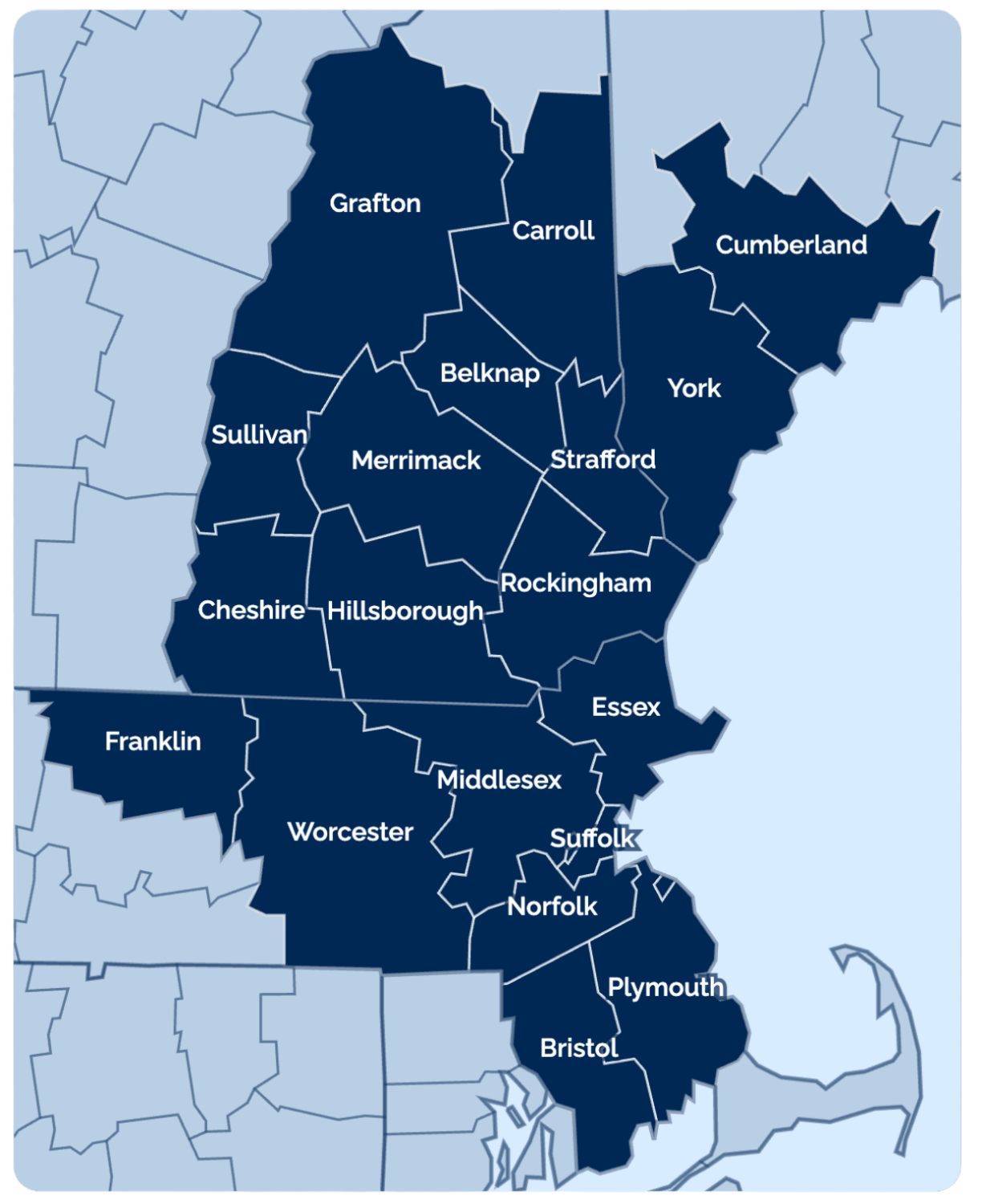

No — Hardie board will not attract termites, because its fiber cement composition contains no wood fiber that insects can feed on or nest in. As a James Hardie Elite Preferred contractor and woman-owned exterior remodeling company, Coastal Windows & Exteriors has completed 7,000+ installations since 2011 across 730+ towns in Massachusetts, New Hampshire and Maine, installing fiber cement siding built to resist the pests that destroy wood-based products.
This is one of the most practical advantages James Hardie siding has over wood-based products. It’s simply not a food source for the pests that destroy traditional siding.
What Homeowners Should Know About Hardie Board and Pest Resistance
- Termite resistance: Hardie board’s fiber cement composition gives termites nothing to work with. Unlike wood siding, Hardie board isn’t a place for termites to colonize.
- Woodpecker deterrence: Hardie board is excellent for deterring pests including woodpeckers and termites. Woodpeckers target wood siding in search of insects nesting inside.
- Hardie board fire rating: Hardie board products James Hardie manufactures are made of cement, sand, and cellulose fibers. This material is non-combustible by nature. That composition is why Hardie board carries strong fire ratings. It’s a top choice for coastal and wooded neighborhoods.
- Long-term durability: Hardie board professionally installed lasts 30 or more years. It resists the moisture, freeze-thaw cycling, and salt air that break down wood siding.
- ColorPlus advantage: James Hardie’s ColorPlus Technology finish is baked on at the factory and never needs painting. That means no cracking or peeling paint to invite moisture or insect entry.
- Paint savings: Exterior painting costs up to $12,000 roughly every 5 years. HardieWrap also reduces heating and cooling energy use by 15%, adding long-term performance value on top of the 144% ROI fiber cement delivers.
Choosing the Right Siding for Your Home
- Top Pick: Hardie board for homeowners who want long-term pest resistance, fire safety, and a product that holds its finish without repainting. The 144% ROI makes it one of the strongest exterior investments available. Contact Coastal Windows & Exteriors for a free estimate!
- Also strong: Vinyl siding for homeowners prioritizing affordability and low maintenance — it also offers no food source for termites and delivers a 97% ROI at an average cost of $17,590.
- Worth noting: Neither fiber cement nor vinyl requires the kind of ongoing maintenance that creates the deteriorated entry points insects and moisture exploit in aging wood siding.
Request a free siding estimate from Coastal Windows & Exteriors.
Browse our complete siding FAQ guide from Coastal Windows & Exteriors.
Explore our siding Exterior Remodeling Home Improvement Help Center.
Still have questions about does Hardie board attract termites? See the areas we serve and talk to your local siding contractor.
Last Updated: July 2026
Sources:
- The cost to paint the exterior of a house can run up to $12,000. NerdWallet Save on Cost to Paint a House NerdWallet’s breakdown of exterior house painting costs and ways homeowners can reduce that expense. (2026)
- Fiber cement siding in New England averages $20,678 and delivers a 144% return on investment at resale, while vinyl siding averages $17,590 with a 97% ROI. JLC Online Cost vs. Value 2025 New England JLC Online’s regional cost and resale value data for fiber cement and vinyl siding installations in New England. (2026)