
Table of Contents
Living in New England, there are many styles of homes that incorporate old wood siding. Meanwhile, traditional wood siding has many expensive maintenance problems. For homeowners considering upgrades, vinyl siding that looks like wood offers the perfect solution. It combines aesthetic appeal with plenty of practical benefits!
Want the look of natural wood without the headaches? Vinyl siding that looks like wood gives peace of mind since it is durable and maintenance-free. Our vinyl siding protects your home for a lifetime! When exploring siding options, wood look siding stands out as the premier choice for New England homeowners who value both beauty and functionality.
How Long Does Vinyl Siding Last Compared to Wood Siding?
Quality vinyl siding that looks like wood is built to outlast real wood siding by decades, backed by a Double Lifetime Warranty from Exterior Portfolio.
Vinyl siding will resist the moisture, rot, insects, and UV fading that steadily shorten the lifespan of real wood siding. Proper installation unlocks that full service life — and it matters as much as the material itself.
Vinyl vs. Wood Siding: Understanding the Lifespan Difference
- Warranty backing: Exterior Portfolio vinyl carries a Double Lifetime Warranty, reflecting the manufacturer’s confidence in long-term performance. Maintenance-free siding that looks like wood is designed to outlast wood by a wide margin.
- Why vinyl lasts: PVC is chemically stable and virtually impervious to water, so panels won’t rot, swell, or attract insects. Fade-resistant pigments protect color and grain texture through years of sun and storms.
- Wood’s vulnerability: Real wood siding absorbs moisture over time, making it susceptible to rot, insect damage, and structural failure. Without consistent painting, staining, and caulking, its lifespan shortens significantly.
- Repainting avoided: Exterior painting costs up to $12,000 per project — and wood demands it repeatedly to maintain its protective barrier. Vinyl siding eliminates that recurring cycle.
- Installation matters: Even the best vinyl panels underperform when installed incorrectly. Coastal installs every panel to manufacturer specifications, which protects the warranty and maximizes service life.
- Investment return: The ROI of vinyl siding is 97%, reflecting strong buyer confidence in its long-term value. Its average installed cost of $18,000 in New England makes it a durable and cost-effective exterior choice.
Why Choose Maintenance Free Siding that Looks Like Wood?
Factor | Vinyl Siding That Looks Like Wood | Real Wood Siding |
Warranty | Double Lifetime Warranty | Varies — often limited |
Rot resistance | Excellent — PVC won’t rot | Poor — requires treatment |
Insect resistance | Yes — PVC repels insects | No — attracts wood-boring insects |
Moisture resistance | Excellent — PVC impervious to water | Poor — absorbs moisture |
Repainting required | Never | Yes — up to $12,000 per repaint |
ROI | 97% | Lower — depends on upkeep |
Costs reflect national New England averages. Individual project costs vary.
Which Siding Will Last Longest for Your Home?
Top Recommendation: Coastal installs every panel with expertise across MA, NH, and ME, protecting your warranty and maximizing lifespan. Book a free estimate today to discuss your home’s siding options.
Best for long-term durability: Vinyl siding that looks like wood for homeowners who want a low-maintenance exterior that holds up through decades of New England freeze-thaw cycles and coastal humidity.
Ideal for historic homes: Real wood siding where preservation requirements demand authentic materials. Ask us whether your project qualifies and what wood-grain vinyl alternatives might work within your guidelines.
Ready to invest in siding that’s built to last? Coastal Windows & Exteriors is the #1 woman-owned exterior remodeling contractor in New England (Qualified Remodeler, 2023 & 2024), with 7,000+ installations across MA, NH, and ME. Established in 2011, woman-owned and family-run — not a franchise. Our 4.8-star Google rating with 1,000+ verified reviews reflects the trust our neighbors place in every installation.
Request a free siding estimate from Coastal Windows & Exteriors.
Browse our complete siding FAQ guide from Coastal Windows & Exteriors.
Explore the Coastal Windows & Exteriors Siding Exterior Remodeling Home Improvement Help Center.
Last Updated: August 2026
Sources:
- The ROI of vinyl siding is 97%. JLC Online Cost vs. Value 2025 — national cost-vs-value benchmarks for vinyl siding replacement projects. (2026)
- The average cost of vinyl siding in the U.S. is $18,000. JLC Online Cost vs. Value 2025 — New England — regional cost-vs-value data for exterior siding replacement in New England. (2026)
- The cost to paint the exterior of a house is up to $12,000. NerdWallet Save on Cost to Paint a House — cost guidance on exterior house painting based on Angi and HomeAdvisor data. (2026)
- Exterior Portfolio vinyl siding carries a Double Lifetime Warranty; PVC is virtually impervious to water; vinyl never needs painting; wood siding requires frequent painting, staining, and caulking. Royal Building Products Exterior Portfolio Low Maintenance Siding — official product warranty, durability, and maintenance comparison data for Exterior Portfolio vinyl siding. (2019)
What Is Vinyl Cedar Shake Siding?
Vinyl cedar shake siding is a type of vinyl siding that looks like wood. It is a PVC panel shaped to mimic hand-split cedar shingles, delivering the staggered, dimensional look of real wood without the upkeep.
Each panel features realistic natural cedar texture pressed in during manufacturing — so you get authentic character with none of the rot, staining, or curling of real cedar. It’s one of the most popular choices for Cape Cod, Craftsman, and coastal New England homes.
What Makes Vinyl Shakes That Look Like Wood Worth Considering
- Quick definition: Vinyl cedar shake siding uses PVC panels shaped to replicate hand-split cedar shingles. The staggered profile creates the same dimensional, layered look as real wood shakes.
- Authentic texture: Embossing recreates the rough-split surface of cedar during panel production. Portsmouth™ Shake & Shingles from Exterior Portfolio features realistic natural cedar texture across multiple profiles.
- Profile variety: Portsmouth™ comes in D5, D7, S7, Half Round, and Hand-Split profiles. Craftsman homes suit Hand-Split Shake best; Victorian-style homes gain charm with Half Rounds in the gables.
- Best uses: Siding that looks like wood shingles works beautifully as a full exterior or as an accent on gables, dormers, and entryways. It adds dimensional texture that flat clapboard profiles can’t replicate.
- Built to last: Unlike real cedar shakes, vinyl shakes won’t rot, curl, warp, or need staining. PVC is virtually impervious to water, making it a natural fit for New England’s wet and humid climate.
- No painting ever: Color is baked into each panel, and Portsmouth™ carries a Lifetime Limited Warranty. You’ll never budget for repainting — exterior painting costs up to $12,000 per project with real wood.
Feature | Vinyl Shakes (Portsmouth™) | Real Cedar Shakes |
Texture | Embossed natural cedar look | Natural variation |
Rot resistance | Excellent — PVC won’t rot | Poor — requires treatment |
Painting required | Never | Yes — frequent |
Painting cost avoided | Up to $12,000 per repaint | Recurring expense |
Profile options | D5, D7, S7, Half Round, Hand-Split | Limited by species |
Warranty | Lifetime Limited Warranty | Varies |
Best for | Full siding or accent applications | Historic preservation only |
Painting cost reflects verified national data. Individual project costs vary.
Which Vinyl Shake Profile Is Right for Your Home?
Top Recommendation: Coastal installs Exterior Portfolio® Portsmouth™ Shake & Shingles in multiple profiles and colors across MA, NH, and ME. Book a free estimate today to see samples in person.
Best for curb appeal: Hand-Split or D7 profiles for homeowners who want maximum texture and depth on a Cape Cod or Craftsman exterior. These profiles create the most dramatic shadow lines of any vinyl shake option.
Ideal for accent work: Half Round profiles for Victorian or cottage-style homes where gable or dormer accents add character without replacing the full exterior. Ask us how to layer profiles for a custom look.
Ready to add cedar shake character to your home without the upkeep? Coastal Windows & Exteriors is the #1 woman-owned exterior remodeling contractor in New England (Qualified Remodeler, 2023 & 2024), with 7,000+ installations across MA, NH, and ME. Established in 2011, woman-owned and family-run — not a franchise. Our 4.8-star Google rating with 1,000+ verified reviews reflects the craftsmanship we bring to every installation.
Request a free siding estimate from Coastal Windows & Exteriors.
Browse our complete siding FAQ guide from Coastal Windows & Exteriors.
Explore the Coastal Windows & Exteriors Siding Exterior Remodeling Home Improvement Help Center.
Last Updated: August 2026
Sources:
- The cost to paint the exterior of a house is up to $12,000. NerdWallet Save on Cost to Paint a House — cost guidance on exterior house painting based on Angi and HomeAdvisor data. (2026)
- The ROI of vinyl siding is 97%; the average cost of vinyl siding in the U.S. is $18,000. JLC Online Cost vs. Value 2025 — New England — regional cost-vs-value data for exterior siding replacement in New England. (2026)
- Portsmouth™ Shake & Shingles features realistic natural cedar texture, never needs painting, and carries a Lifetime Limited Warranty across D5, D7, S7, Half Round, and Hand-Split profiles. Royal Building Products Exterior Portfolio All Products Brochure — official product specifications, profiles, and warranty details for Portsmouth™ Shake & Shingles vinyl siding. (2023)
- PVC is virtually impervious to water; vinyl siding requires only mild soap and water for periodic cleaning; wood siding requires frequent painting, staining, and caulking. Royal Building Products Exterior Portfolio Low Maintenance Siding — official maintenance comparison data for Exterior Portfolio vinyl siding versus real wood. (2019)
- The popularity of vinyl and fiber cement siding is largely due to their affordability and versatility. Fixr Home Siding Statistics — survey data on homeowner siding material preferences and trends. (2024)

The Real Cost of Maintaining Traditional Wood Siding
The real reason why wood siding isn’t worth it? Wood requires work and a lot of money to maintain.
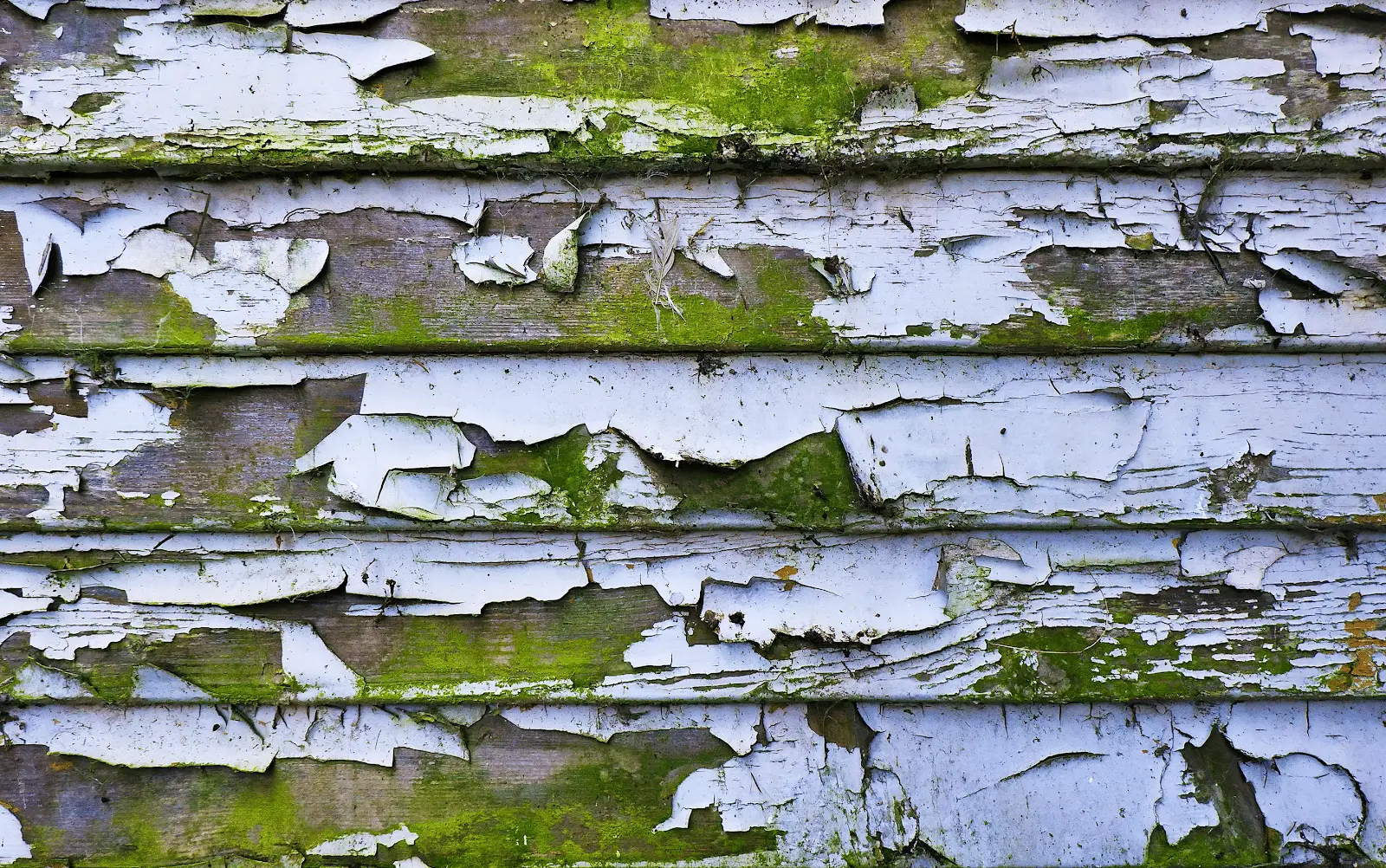
During the hot and wet spring and summer season, moisture can absorb into the old and untreated wood siding. This requires extra home maintenance and costly repairs.
- Painting & staining every 3-4 years
- After that expense, it will still flake, peel, and chip
- Then it will continue to fade from exposure to harsh UV rays
- And it will continually attract insects that cause damage
Who wants to keep up with that maintenance and expense? When you want to keep the classic curb appeal of your New England home, consider vinyl siding that looks like wood.
Traditional Clapboard vs. Wood Grain Vinyl: A Side-by-Side Comparison
There’s something timeless about classic clapboard siding—the kind that gives New England homes their storybook charm. But beauty should never come with constant upkeep. Here’s how the two compare:
- Traditional Clapboard: Made from real cedar or pine, it offers rich texture and natural warmth but demands frequent painting or staining, plus protection from moisture and pests. Expect to paint or stain traditional clapboard siding every 3-4 years.
- Wood Grain Vinyl: Designed to mirror authentic woodgrain while resisting cracking, fading, and warping. No paint, no rot—just lasting curb appeal through every season.
Homeowners love that they can keep the traditional look they cherish while gaining more freedom and peace of mind. This is why more homeowners are making the switch. Preserve your home’s traditional aesthetic while gaining peace of mind!
Why New England Homeowners Are Choosing Wood Grain Vinyl Siding
Wood grain vinyl siding represents the evolution of exterior siding technology. New England homeowners upgrade to wood grain vinyl siding for the following benefits:
- Captures the warmth and charm of natural wood without the upkeep
- Eliminates the need for painting, staining, or sealing
- Built with advanced construction for long-lasting durability
- Offers authentic, wood-like texture and detail
- Delivers reliable performance through every season
The Manufacturing Process Behind Realistic Wood Grain Vinyl
The secret behind the life-like wood appearance of vinyl siding comes down to advanced manufacturing techniques. Through a process called embossing, manufacturers press intricate wood grain patterns directly onto the surface of the vinyl panels. This technique captures the unique ridges, grooves, and variations found in actual wood. Embossing makes wood-like patterns remarkably convincing—even up close.
Thanks to these precision methods, today’s vinyl siding not only mimics the look of real wood. Meanwhile, it also delivers consistent quality that resists the fading, chipping, and water damage that plague natural materials.
Whether you favor the charm of cedar shake or the timeless lines of clapboard, modern wood grain vinyl siding brings sophisticated craftsmanship right to your home’s exterior.
Inside Wood Grain Vinyl Siding: The 4-Layer Construction Explained
When it comes to construction, not all siding is created equal. Wood grain vinyl siding is engineered with multiple advanced layers. Each layer has a unique purpose to ensure lasting beauty and top-notch performance for New England homes.
- Protective Top Layer: The first line of defense is a durable outer coating. This layer is specially designed to fight off fading, even after years of summer sun and winter storms. It shields your siding from weather extremes and keeps that natural wood appearance looking fresh year after year.
- Authentic Color Layer: Next comes the color layer, crafted to mimic real wood tones—think the deep warmth of cedar or the soft weathered gray of barn board. These pigments are baked in, so the rich, wood-like color won’t peel, chip, or wash away.
- Impact-Resistant Core: Beneath the surface sits a tough substrate that’s all about strength. This core provides the structure to resist everyday bumps (say, that stray baseball or dose of hail), reducing worries about dents or cracks down the line.
- Insulating Backing: Finally, the innermost layer works double-duty. Not only does it help prevent moisture from sneaking behind your siding—warding off rot and mold—but it also adds an extra measure of insulation. The result? Your home stays comfortable in every season, and you save a little on those energy bills.
This layered construction is what lets wood look vinyl siding deliver the timeless charm of natural wood—without the usual drawbacks or endless maintenance.
At Coastal Windows & Exteriors, we install premium vinyl wood grain siding from Exterior Portfolio’s CraneBoard line. This siding is highly efficient and features up to 19% better R-value than fiber cement, resulting in a more comfortable home through all seasons. Contact us for a free estimate!
What Sets Board and Batten Siding Apart from Other Styles
Board and batten siding stands apart from traditional styles because of its uniquely textured look and vertical orientation. Instead of the classic horizontal planks you see on clapboard or shingle siding, board and batten features wide, flat boards running vertically up your home’s exterior. Narrow strips—known as battens—are placed over the seams where the boards meet, creating a bold, dimensional appearance.
This design isn’t just for show. The battens not only add character (making board and batten a favorite for farmhouse, cottage, and modern rustic homes) but they also help seal out the elements. Where horizontal options like lap and Dutch lap give a more linear, traditional look, board and batten offers height and texture, setting your home apart from the ordinary.
Wood Look Vinyl Siding: No More Home Maintenance
The best part of choosing vinyl siding that looks like wood is that there is no home maintenance involved!
- Vinyl siding that looks like wood makes it easy to maintain during all seasons. It is the ultimate time-saving exterior option that stands the test of time.
- Quality vinyl siding consists of UV-resistant properties that prevent fading from the sun’s rays along with degradation. Sun and heat can cause premature damage to wood siding.
- You will automatically save money because you will never need to paint your vinyl exterior. Painting your wood siding can be pricey, and you can expect to spend up to $12,000. Remember that you never own a paint job!
- Not only will you save money, but you’ll also save time. Wood siding needs to be painted about once every 3 years.
- Traditional wood siding can chip, peel, or appear old and worn over the years. Since there is no need to paint vinyl siding, you can count on your new upgrade to look beautiful for life.
For homeowners searching for maintenance free siding that looks like wood, vinyl is a cost-effective option for the look of cedar or clapboard without the ongoing cost.

Vinyl Siding: Incredibly Mold, Moss, Mildew, and Moisture Resistant in Every Season
When you live in a variable climate like New England, it’s almost a guarantee that some aspects of your exterior will experience moisture damage. This is especially true in the spring and summer, as we experience a lot of rain that seeps into wood siding.
However, this is avoidable if you choose vinyl siding that looks like wood.
- Vinyl siding is engineered to repel moisture away. Since it is non-porous, there is no way for moisture to penetrate into the panels and result in rot.
- Furthermore, vinyl siding will not promote mold and mildew growth. This is because it is not an organic material and will not allow mold and mildew to feed and flourish.
- When you invest in vinyl siding that looks like wood, you can eliminate the potential expense of removing mold or mildew from your siding.
- Mold removal on wood siding can cost up to $6,800, and replacing a portion of old wood siding is often more trouble than it’s worth. This is because you are promoting potential mold growth to happen again in the future.
Faux Wood Vinyl Siding Looks Just Like Real, Organic Wood
This is the whole point, right? You get to enjoy quality, beautiful siding that looks like wood, all without any of the upkeep that comes with the real thing!
You can give your home an upgrade with these vinyl siding style options:
Traditional vinyl siding panels
Hand-split and weathered shakes
Vinyl scallops
- Traditional vinyl siding panels with lifelike wood grain details. It looks like traditional wood siding, including texture with the wood grain.
- Weathered wood siding. A hot trend in New England, weathered wood siding give a hand-split appearance—looking like it’s centuries-old even though it’s brand new.
- Beautiful vinyl scallops. Inspired from the Victorian era, vinyl scallops beautifully highlight areas of your home such as eave edges and window gables.
Customization for every home. With so many patterns, textures, and colors to choose from, you can easily complement your home’s unique character, whether you want to recreate a weathered Cape Cod cottage or add Victorian flair with elegant scallops.
Versatility: Vinyl Siding That Mimics Logs, Stone, and More
If you think vinyl siding is limited to just standard clapboard styles, think again. Today’s vinyl siding can convincingly replicate a wide variety of traditional materials—including rustic log siding, natural stone, and even brick.
- Log-style vinyl siding: For homeowners drawn to vinyl siding that looks like wood logs, these panels are molded with deep wood grain and rounded contours to imitate real timber logs, giving your home the welcoming charm of a mountain lodge without the worries of wood rot or intense upkeep.
- Stone and brick looks: Modern manufacturing processes allow for ultra-realistic textures and shadow lines that make vinyl versions almost indistinguishable from quarried stone or artisan-laid brickwork.
- Wide style selection: Love the cottage-core look, want a coastal shake, or pine for the stately presence of stone? There’s a vinyl siding profile and color that captures the look, no matter your home’s architectural style.
With vinyl, you get to blend timeless curb appeal with today’s worry-free performance.
Top Exterior Design Trends with Wood Grain Vinyl Siding
Wood grain vinyl siding is making waves in homes across New England and beyond—and it’s not just because it stands up to rain, sun, and the occasional wayward wiffle ball. Homeowners are embracing a range of eye-catching trends that bring both personality and curb appeal to their properties.
Mixed Profiles for Instant Character
One trend that continues to gain traction is mixing siding profiles. Pairing traditional lap panels with hand-split shakes or scallops creates visual interest and highlights the architectural details of your home—think inviting gables and charming dormers. This approach helps you achieve that “designer touch” without the maintenance headaches.
Nature-Inspired Color Palettes
Today’s wood-look vinyl siding comes in more colors than ever before. Homeowners are gravitating toward warm, earthy options like honeyed cedar, deep walnut, and timeless driftwood gray. These colors mimic real wood grains and add natural warmth, making your home feel cozy yet sophisticated—perfect whether your style leans farmhouse or modern coastal.
Bold Accents and Contrasts
Another hot trend involves combining deep, saturated siding tones with crisp white trim or dark window frames. This contrast not only freshens up the exterior but also draws the eye to unique architectural elements—like an inviting porch or statement-making entryway.
Realistic Wood Grains and Textures
Advancements in vinyl manufacturing mean you’ll find siding that closely replicates the texture of oak, maple, or even reclaimed barn wood. Some panels even feature subtle color variations and multi-tone finishes to create depth and dimension—much like premium options from CertainTeed, Royal Building Products, or Kaycan.
Vertical Installation
Looking to make a modern statement? Vertical board-and-batten styles are surging in popularity. When installed in vinyl, this profile delivers a bold, current look while still serving up the rich texture of authentic wood.
By combining these trends—with authentic-looking grains, bold colors, and mixed materials—you’re bound to create an exterior that turns heads on your street. And the best part? All these options keep your home looking beautiful, maintenance-free, and ready for New England’s wild weather.
Plenty of Color Options Available
Don’t feel boxed in by vinyl siding because you can’t paint. We have a rainbow of vinyl siding colors available, both classic and contemporary, to make your vinyl siding upgrade look beautiful for life.
Whether you’re interested in colored wood siding tones or prefer traditional hues, exterior wood look vinyl siding comes in numerous options to complement your home’s architecture.
The Benefits of No Maintenance Wood Siding Alternatives
When comparing wood or vinyl siding options, it’s clear that no maintenance wood siding alternatives like house siding that looks like wood provide superior long-term value. Home wood siding requires constant upkeep, while modern vinyl alternatives deliver the same visual appeal without the ongoing costs and effort.
Cost-Effective and Hassle-Free Installation
One of the biggest reasons homeowners love wood-look vinyl siding is its wallet-friendly installation. Real wood siding, whether it’s redwood, cedar, or another hardwood, requires a team of specialists, extra labor, and often specialty tools for cutting and fitting each board. All that adds up—fast.
Professional vinyl siding installation, on the other hand, is much simpler and quicker than real wood. The panels are lightweight, can often be put up with basic carpentry tools, and don’t demand the same level of skill or time as real wood. Because installation is less labor-intensive, you’ll save significantly on upfront costs—leaving more in your budget for landscaping, fresh outdoor lighting, or even a new deck.
Plus, with a wide selection of wood grain vinyl siding styles and colors available at local home improvement retailers like Home Depot and Lowe’s, you can easily find an option that fits your home and your price range without sacrificing curb appeal.
Environmentally Friendly Exterior Option
Sustainable vinyl siding is an environmentally friendly choice for a variety of reasons:
- There is little to no harvesting of trees to produce your new vinyl siding, even though it looks like real wood.
- Some of the most popular wood siding options include Redwood and cedar. Not only do these trees need to be harvested, but they must also be transported from their location to New England for installation.
- Vinyl siding cuts down on the transportation costs of these trees. Redwood trees are primarily found in California, which is a long trek from there to New England.
- It requires minimal water to engineer and conserves resources.
With insulated vinyl siding panels, you can also reduce energy bills and use less energy in your home!
How Vinyl Siding Enhances Your New England Home
Vinyl siding has a hands-down advantage on performance, lifespan, and style. According to the 2025 Remodeling Cost vs. Value Report, vinyl siding replacement returns approximately 97% of the investment at resale in New England — a strong ROI for an exterior upgrade.
Vinyl siding is also a high-performance and energy-efficient option, making it an excellent rival against wood siding. This is because of quality vinyl siding:
- Is insulated with a foam layer, giving it more thermal efficiency than the wood siding on its own.
- Insulated down to the wood studs, where energy is easily lost in traditional foam siding due to lack of foam insulation.
- Neopor insulation via Craneboard provides up to 19% better R-value than regular foam insulation, yielding incredible performance results.
- Solid Core via Craneboard includes the Smart Track system with moisture management ridges. This ensures that your exterior remains dry and doesn’t break down from moisture damage, which ultimately impacts performance.
- Makes your home more comfortable and beautiful.
Enjoy performance benefits such as:
- Highest R-Value in the industry with panels up to 1 ½” thick
- Industry’s thickest insulation reduces thermal bridging which reduces utility costs and provides a warm home
- 5x impact resistance
- Energy Gap Protection with RidgidLock and True Foam protects against energy loss
Our highly engineered thermal wall system provides exceptional durability and strength to withstand New England’s weather while safeguarding your home against energy loss.
For enhanced energy efficiency, insulated vinyl siding provides superior thermal performance compared to traditional siding options.
Expert Installation from Professional Siding Contractors
Finding the right siding contractor near me is crucial for ensuring your investment provides maximum value and longevity. Our experienced team serves multiple locations throughout New England:
- Siding contractor in West Newbury – Expert vinyl siding installation
- Top siding Contractor in Peabody MA – Professional siding services
- Best siding companies near Haverhill MA – Quality installation and service
- Vinyl Siding Contractor in Manchester MA – Local expertise you can trust
- James Hardie Siding contractor in Lynnfield MA – Premium siding solutions
- Vinyl siding contractor in Lynn MA – Comprehensive siding services
- Atkinson NH Vinyl Siding Contractor – Professional siding specialists
- Top Gilford NH Vinyl Siding Services – Expert siding replacements
See It Before You Commit: Easy Visualization Tools
Curious how wood grain vinyl siding will actually look on your house? Today’s technology makes it simple to preview your options before making a decision. Homeowners can take advantage of free online siding visualizer tools when you book a free estimate with Coastal Windows & Exteriors. We’ll upload a photo of your home to our app, select your favorite wood-look vinyl style and color, and you’ll see an instant side-by-side transformation.
This way, you can confidently pick the shade and grain pattern that perfectly complements your home’s unique character—all without second-guessing your choice.
Try our free design visualizer when you book your free estimate — we’ll show you exactly how your home will look in wood grain vinyl before you commit.
Get Wood Look Vinyl Siding from Coastal Windows & Exteriors: Say Goodbye to Home Maintenance!
Receive a fast and accurate quote from Coastal Windows & Exteriors for new vinyl siding replacement, without our representatives coming to your home.
See one of our siding projects:
- Siding Refresh Installation Franklin, MA
- Vinyl Siding Installation in Merrimac, MA
- James Hardie Siding Replacement Project in Groveland, MA
We install vinyl siding that looks like wood and have over 20 color options available for your choosing. As New England’s #1 woman-owned company for wood look vinyl siding installation, we’re committed to transforming your home with premium materials and expert craftsmanship. Please contact us today for free estimates on vinyl siding.
Frequently Asked Questions About Vinyl Siding that Looks Like Wood
What Is Vinyl Siding That Looks Like Wood?
Vinyl siding that looks like wood uses embossing to press realistic wood-grain texture into PVC panels, mimicking cedar or pine without the upkeep.
Wood-look vinyl siding delivers the warmth of natural wood without the maintenance! It’s one of the most popular siding choices in New England, and for good reason.
What Homeowners Should Know About Wood-Grain Vinyl Siding
- How it’s made: Manufacturers stamp authentic ridges, grooves, and natural variations into each panel during production. The result closely mimics real cedar or pine siding.
- Style variety: Wood-look vinyl siding comes in clapboard, board and batten, hand-split shakes, scallops, and vertical profiles. Each mimics a distinct wood construction style.
- No painting ever: Color is baked into the panel itself, so it never peels, chips, or fades like wood. You won’t spend weekends repainting your home’s exterior.
- Market confidence: Vinyl siding holds between 38% and 41.5% of the total U.S. siding market. Its affordability and versatility make it the most widely chosen cladding material.
- Strong return: The ROI of vinyl siding is 97%, making it a smart investment for homeowners. The average cost of vinyl siding in the U.S. is $18,000, based on New England data.
- Low upkeep wins: Wood siding requires frequent painting or staining, plus caulking. Vinyl siding needs only mild soap and water from a garden hose for periodic cleaning.
Get the Look of Real Wood Siding with These Exciting Profiles
Profile | Wood Style Mimicked | Maintenance | Best For | Avg. Cost |
Clapboard (D4/D5) | Cedar lap siding | None | Classic New England homes | ~$18,000 avg. |
Board & Batten | Vertical wood planks | None | Farmhouse or modern styles | ~$18,000 avg. |
Hand-split shakes | Cedar shake shingles | None | Cottage or coastal homes | ~$18,000 avg. |
Scallops | Decorative wood shingles | None | Accent gables or dormers | ~$18,000 avg. |
Avg. cost reflects national New England average; individual project costs vary.
Making the Smart Choice for Your Home
Top Recommendation: Coastal installs Exterior Portfolio® CraneBoard wood-grain vinyl across MA, NH, and ME. It never needs painting and carries an industry-leading Double Lifetime Warranty. Book a free estimate today to see samples in person.
Best for low maintenance: Wood-grain vinyl siding for homeowners who want real wood character without repainting every few years. Ask about our foam-back options for added energy efficiency.
Best for curb appeal: Board and batten or hand-split shake profiles for a dramatic style upgrade. These profiles pair well with neutral trim for a polished finished look.
Ready to upgrade your home with wood-look vinyl siding? Coastal Windows & Exteriors is the #1 woman-owned exterior remodeling contractor in New England (Qualified Remodeler, 2023 & 2024), with 7,000+ installations across MA, NH, and ME. We’re established since 2011, woman-owned, and family-run — not a franchise. Our 4.8-star Google rating with 1,000+ verified reviews reflects the quality you can expect.
Request a free siding estimate from Coastal Windows & Exteriors.
Browse our complete siding FAQ guide from Coastal Windows & Exteriors.
Explore the Coastal Windows & Exteriors Siding Exterior Remodeling Home Improvement Help Center.
Last Updated: August 2026
Sources:
- Vinyl siding holds between 38% and 41.5% of the total U.S. siding market. Ridgeline Construction Vinyl Siding Statistics — industry data on vinyl siding market share and dominance as of 2026. (2026)
- The average cost of vinyl siding in the U.S. is $18,000. JLC Online Cost vs. Value 2025 — New England — regional cost-vs-value data for exterior remodeling projects in New England. (2026)
- The ROI of vinyl siding is 97%. JLC Online Cost vs. Value 2025 — national cost-vs-value data for vinyl siding replacement. (2026)
- The popularity of vinyl and fiber cement is largely due to their affordability and versatility. Fixr Home Siding Statistics — survey data on homeowner siding preferences and material trends. (2024)
- Exterior Portfolio vinyl siding never needs painting and is manufactured from recyclable materials. Royal Building Products Exterior Portfolio Board & Batten Siding — official product specifications for Exterior Portfolio Board & Batten vinyl siding. (2019)
- Vinyl siding requires only mild soap and water from a garden hose for periodic cleaning. Royal Building Products Exterior Portfolio Low Maintenance Siding — official guidance on Exterior Portfolio vinyl siding maintenance requirements. (2019)
What Is Faux Wood Siding Made Of?
Faux wood siding is made primarily from PVC (polyvinyl chloride), a weatherable polymer that resists rot, moisture, and warping without any painting.
Quality faux wood vinyl siding uses a co-extruded two-layer build: a PVC substrate bonded to a proprietary protective top layer. That combination is what gives vinyl wood grain siding its long-lasting durability and realistic texture.
What Goes Into Faux Wood Vinyl Siding
- Core material: PVC is the backbone of faux wood siding. It’s chemically stable, lightweight, and forms easily into a wide range of profiles and textures.
- Two-layer build: A co-extruded design bonds a PVC substrate to a protective outer layer. This construction is engineered to stand up to sun, rain, ice, and wind year after year.
- Wood grain finish: Embossing presses realistic ridges and grooves into the surface during manufacturing. The result closely mimics the look of cedar or pine without the upkeep.
- Water resistance: PVC is virtually impervious to water, so faux wood vinyl siding won’t rot, swell, or warp. That’s a significant advantage over real wood in wet New England climates.
- No paint needed: Color is baked into the panel during production, so it never peels or chips. Never sand, stain, or paint again!
- Market strength: Vinyl siding holds between 38% and 41.5% of the total U.S. siding market. Its affordability and versatility make it the most widely installed cladding material in the country.
Why Faux Wood Vinyl is an Excellent Choice for New England Homes
Material | Rot Resistant | Needs Painting | Water Resistant | Avg. Cost | ROI |
Faux wood vinyl |
|
|
| $18,000 | 97% |
Real wood siding |
|
|
| Higher | Lower |
Fiber cement |
|
|
| $21,500 | 144.9% |
 Yes
Yes No
NoCosts reflect national New England averages. Individual project costs vary.
Choosing the Right Faux Wood Siding for Your Home
Top Recommendation: Coastal installs Exterior Portfolio® vinyl wood grain siding with a Double Lifetime Warranty across MA, NH, and ME. Schedule your free estimate today to see profiles and colors in person.
Best for durability: Faux wood vinyl siding for homeowners who want the cedar look without rot, warping, or repainting costs. Its two-layer PVC build handles New England weather reliably.
Best for budget-conscious buyers: Vinyl wood grain siding delivers the warmest ROI at 97% and the lowest average cost of major siding materials. Contact us to discuss options for your home.
Ready to replace your old siding with low-maintenance faux wood vinyl? Coastal Windows & Exteriors is the #1 woman-owned exterior remodeling contractor in New England (Qualified Remodeler, 2023 & 2024), with 7,000+ installations across MA, NH, and ME. Established in 2011, woman-owned and family-run — not a franchise. Our 4.8-star Google rating with 1,000+ verified reviews speaks for itself.
Request a free siding estimate from Coastal Windows & Exteriors.
Browse our complete siding FAQ guide from Coastal Windows & Exteriors.
Explore the Coastal Windows & Exteriors Siding Exterior Remodeling Home Improvement Help Center.
Last Updated: July 2026
Sources:
- Vinyl siding holds between 38% and 41.5% of the total U.S. siding market. Ridgeline Construction Vinyl Siding Statistics — industry data on vinyl siding market share and regional dominance as of 2026. (2026)
- The average cost of vinyl siding in the U.S. is $18,000. JLC Online Cost vs. Value 2025 — New England — regional cost-vs-value data for exterior siding replacement in New England. (2026)
- The ROI of vinyl siding is 97%. JLC Online Cost vs. Value 2025 — national cost-vs-value benchmarks for vinyl siding replacement projects. (2026)
- The popularity of vinyl and fiber cement is largely due to their affordability and versatility. Fixr Home Siding Statistics — survey data on homeowner siding material preferences and trends. (2024)
- Exterior Portfolio vinyl siding is made from a co-extruded, permanently bonded two-layer system with a PVC substrate and a proprietary protective top layer. Royal Building Products Exterior Portfolio Low Maintenance Siding — official product construction and material specifications for Exterior Portfolio vinyl siding. (2019)
- PVC is virtually impervious to water, and vinyl siding never needs painting. Royal Building Products Exterior Portfolio Low Maintenance Siding — official guidance on Exterior Portfolio vinyl siding water resistance and maintenance requirements. (2019)
Is Vinyl Siding or Wood Siding Better for New England Homes?
For most New England homes, vinyl siding that looks like wood outperforms real wood on moisture resistance, maintenance cost, and long-term durability.
That’s because vinyl siding holds its color, grain texture, and structural integrity through the harshest coastal winters — with no painting required. Real wood delivers undeniable character, but New England’s climate makes it a demanding long-term commitment.
How Vinyl and Wood Siding Stack Up in New England
- Weather match: New England winters bring snow, ice, and humidity that wood absorbs over time. PVC is virtually impervious to water, so vinyl resists moisture, mold, and mildew far better.
- Upkeep reality: Real wood siding requires frequent painting, staining, and caulking to stay protected. Maintenance-free siding that looks like wood needs only mild soap and water from a garden hose.
- Painting costs: Repainting a home’s exterior costs up to $12,000. That’s a recurring expense with wood that vinyl siding eliminates entirely over the life of your home.
- Color longevity: Vinyl wood grain siding has color baked into the panel, so it won’t peel, chip, or fade. Your home’s curb appeal holds up through coastal storms and intense summer sun.
- Investment return: The ROI of vinyl siding is 97%, making it a strong performer at resale. Its popularity — between 38% and 41.5% of the U.S. siding market — reflects buyer confidence.
- Market preference: The popularity of vinyl siding is largely due to its affordability and versatility. With an average cost of $18,000, it’s a competitive choice compared to other cladding materials.
Why Choose Maintenance Free Siding that Looks Like Wood?
Category | Vinyl Siding | Real Wood Siding |
Moisture resistance | Excellent — PVC impervious to water | Poor — absorbs water, rots over time |
Maintenance | None — soap and water only | High — painting, staining, caulking |
Painting cost | $0 | Up to $12,000 per repaint |
Avg. installed cost | $18,000 | Higher (varies by species) |
ROI | 97% | Lower — varies by condition |
Best for | Low-maintenance NE homes | Historic homes needing authentic wood |
Costs reflect national New England averages. Individual project costs vary.
Which Siding Is Right for Your New England Home?
Top Recommendation: Coastal helps New England homeowners weigh both options based on home style and budget. Our team installs Exterior Portfolio® vinyl wood grain siding across MA, NH, and ME. Get your free estimate today.
Best for low maintenance: Vinyl siding that looks like wood for homeowners who want cedar character without recurring painting or rot repair costs. It’s purpose-built for wet New England conditions.
Ideal for historic homes: Real wood siding for properties with strict historic preservation requirements or authentic architectural details that wood-look vinyl cannot replicate. Ask us what’s right for your specific home.
Ready to compare siding options for your New England home? Coastal Windows & Exteriors is the #1 woman-owned exterior remodeling contractor in New England (Qualified Remodeler, 2023 & 2024), with 7,000+ installations across MA, NH, and ME. Established in 2011, woman-owned and family-run — not a franchise. Our 4.8-star Google rating with 1,000+ verified reviews reflects the quality we bring to every project.
Request a free siding estimate from Coastal Windows & Exteriors.
Browse our complete siding FAQ guide from Coastal Windows & Exteriors.
Explore the Coastal Windows & Exteriors Siding Exterior Remodeling Home Improvement Help Center.
Last Updated: August 2026
Sources:
- The cost to paint the exterior of a house is up to $12,000. NerdWallet Save on Cost to Paint a House — cost guidance on exterior house painting based on Angi and HomeAdvisor data. (2026)
- Vinyl siding holds between 38% and 41.5% of the total U.S. siding market. Ridgeline Construction Vinyl Siding Statistics — industry data on vinyl siding market share and dominance as of 2026. (2026)
- The average cost of vinyl siding in the U.S. is $18,000. JLC Online Cost vs. Value 2025 — New England — regional cost-vs-value data for exterior siding replacement in New England. (2026)
- The ROI of vinyl siding is 97%. JLC Online Cost vs. Value 2025 — national cost-vs-value benchmarks for vinyl siding replacement projects. (2026)
- The popularity of vinyl and fiber cement is largely due to their affordability and versatility. Fixr Home Siding Statistics — survey data on homeowner siding material preferences and trends. (2024)
- PVC is virtually impervious to water; vinyl siding requires only mild soap and water for cleaning; wood siding requires frequent painting, staining, and caulking. Royal Building Products Exterior Portfolio Low Maintenance Siding — official maintenance comparison data for Exterior Portfolio vinyl siding versus competing cladding materials. (2019)
What Are the Pros and Cons of Vinyl Siding vs Wood Siding?
Vinyl siding that looks like wood wins on maintenance, moisture resistance, and cost. Real wood wins on natural texture and painting flexibility — but requires significant upkeep.
Both materials have real strengths, but New England’s wet climate tips the balance toward vinyl for most homeowners. Here’s an honest side-by-side look at both options.
Vinyl Siding vs Wood Siding: The Complete Breakdown
- Vinyl pro — upkeep: Wood look vinyl siding never needs painting, staining, or caulking. A garden hose rinse is all it takes to keep it looking sharp year after year.
- Vinyl pro — moisture: PVC is virtually impervious to water, so vinyl won’t rot, swell, or attract insects. That’s a major advantage in New England’s humid, freeze-thaw climate.
- Vinyl pro — value: The ROI of vinyl siding is 97%, with an average installed cost of $18,000 in New England. Its affordability and versatility make it the most widely chosen cladding material.
- Vinyl con — appearance: Lower-end vinyl panels can look flat or plastic in direct sunlight. Premium wood-grain profiles from Exterior Portfolio solve this with deeply embossed, realistic cedar texture.
- Wood pro — character: Real wood offers authentic natural grain and accepts custom stain or paint colors. It’s ideal for historic homes or properties with strict architectural character requirements.
- Wood con — cost over time: Exterior painting costs up to $12,000 per project — and wood requires it repeatedly over a home’s life. That recurring expense adds up significantly over the decades.
- Wood con — durability: Wood siding absorbs moisture, rots, and can attract insects without consistent sealing and treatment. Vinyl requires none of that ongoing protection.
Why Choose Faux Wood Vinyl Siding?
Factor | Wood Look Vinyl Siding | Real Wood Siding |
Maintenance | None — soap and water | High — paint, stain, caulk |
Painting cost | $0 | Up to $12,000 per repaint |
Water resistance | Excellent — PVC impervious | Poor — absorbs moisture |
Avg. installed cost | $18,000 | Higher — varies by species |
ROI | 97% | Lower — varies by upkeep |
Insect / rot risk | None | Yes — requires treatment |
Best for | Low-maintenance NE homes | Historic or custom-color projects |
Costs reflect national New England averages. Individual project costs vary.
Our Recommendations for New England Homeowners
Top Recommendation: Coastal walks New England homeowners through vinyl and wood options side by side at your home. Our team installs Exterior Portfolio® wood-grain vinyl across MA, NH, and ME. Book a free estimate today.
Best for low maintenance: Wood look vinyl siding for homeowners who want cedar character without repainting costs, rot repairs, or insect treatment. It’s purpose-built to handle what New England weather delivers.
Best for historic homes: Real wood siding for properties where authentic materials are required by preservation standards. Ask us whether your home qualifies — and what wood-look alternatives might meet code.
Ready to weigh your siding options with an expert? Coastal Windows & Exteriors is the #1 woman-owned exterior remodeling contractor in New England (Qualified Remodeler, 2023 & 2024), with 7,000+ installations across MA, NH, and ME. Established in 2011, woman-owned and family-run — not a franchise. Our 4.8-star Google rating with 1,000+ verified reviews reflects the trust our neighbors place in us.
Request a free siding estimate from Coastal Windows & Exteriors.
Browse our complete siding FAQ guide from Coastal Windows & Exteriors.
Explore the Coastal Windows & Exteriors Siding Exterior Remodeling Home Improvement Help Center.
Last Updated: August 2026
Sources:
- The cost to paint the exterior of a house is up to $12,000. NerdWallet Save on Cost to Paint a House — cost guidance on exterior house painting based on Angi and HomeAdvisor data. (2026)
- Vinyl siding holds between 38% and 41.5% of the total U.S. siding market. Ridgeline Construction Vinyl Siding Statistics — industry data on vinyl siding market share and dominance as of 2026. (2026)
- The average cost of vinyl siding in the U.S. is $18,000. JLC Online Cost vs. Value 2025 — New England — regional cost-vs-value data for exterior siding replacement in New England. (2026)
- The ROI of vinyl siding is 97%. JLC Online Cost vs. Value 2025 — national cost-vs-value benchmarks for vinyl siding replacement projects. (2026)
- The popularity of vinyl and fiber cement siding is largely due to their affordability and versatility. Fixr Home Siding Statistics — survey data on homeowner siding material preferences and trends. (2024)
- PVC is virtually impervious to water; vinyl siding never needs painting; wood siding requires frequent painting, staining, and caulking. Royal Building Products Exterior Portfolio Low Maintenance Siding — official maintenance comparison data for Exterior Portfolio vinyl siding versus competing cladding materials including real wood. (2019)
How Much Does Vinyl Siding That Looks Like Wood Cost?
Vinyl siding that looks like wood costs an average of $18,000 for a typical New England home, based on regional installation data.
That estimated national average reflects a full installation — labor, materials, and removal of existing siding. Wood-grain vinyl profiles deliver authentic cedar character at a fraction of what real wood costs to buy and maintain over time.
What Drives the Cost of Faux Wood Vinyl Siding
- Starting point: The average cost of vinyl siding in the U.S. is $18,000, based on New England regional data. That figure covers a typical home and serves as a reliable planning benchmark.
- Profile and grade: Premium wood-grain profiles with deeper embossing typically cost more than standard smooth vinyl panels. The realistic cedar texture and finish quality justify the difference for most homeowners.
- Versus real wood: Faux wood vinyl siding costs significantly less than cedar or clapboard wood siding over a home’s full lifespan. Wood’s ongoing painting, staining, and repair costs add up over the years.
- Repainting avoided: Exterior painting costs up to $12,000 per project — and real wood requires it repeatedly. Vinyl siding that looks like wood eliminates that recurring expense entirely.
- Strong return: The ROI of vinyl siding is 97%, making it one of the strongest-performing exterior upgrades. Its affordability and versatility drive its dominance in the siding market.
- Financing available: Coastal offers financing up to 20 years through third-party vendors, based on credit approval. That means your upfront investment can fit a monthly budget that works for your household. Promotions are available now for extra savings!
Which Investment Is Right for Your Home?
Top Recommendation: Coastal builds custom quotes for faux wood siding based on your home size, profile choice, and color selections across MA, NH, and ME. Book a free estimate today for exact pricing on your project.
Best for budget planning: Vinyl siding that looks like wood offers predictable costs with no surprise repainting or repair bills. Its 97% ROI makes it one of the smartest exterior investments available.
Best for financing flexibility: Homeowners who want a premium wood-grain exterior without paying it all upfront benefit most from Coastal’s financing options. Ask about payment plans during your free estimate.
Ready to get a real number for your home? Coastal Windows & Exteriors is the #1 woman-owned exterior remodeling contractor in New England (Qualified Remodeler, 2023 & 2024), with 7,000+ installations across MA, NH, and ME. Established in 2011, woman-owned and family-run — not a franchise. Our 4.8-star Google rating with 1,000+ verified reviews means you can trust the quote we give you.
Request a free siding estimate from Coastal Windows & Exteriors.
Browse our complete siding FAQ guide from Coastal Windows & Exteriors.
Explore the Coastal Windows & Exteriors Siding Exterior Remodeling Home Improvement Help Center.
Last Updated: August 2026
Sources:
- The average cost of vinyl siding in the U.S. is $18,000. JLC Online Cost vs. Value 2025 — New England — regional cost-vs-value data for exterior siding replacement in New England. (2026)
- The ROI of vinyl siding is 97%. JLC Online Cost vs. Value 2025 — national cost-vs-value benchmarks for vinyl siding replacement projects. (2026)
- The cost to paint the exterior of a house is up to $12,000. NerdWallet Save on Cost to Paint a House — cost guidance on exterior house painting based on Angi and HomeAdvisor data. (2026)
- The popularity of vinyl and fiber cement siding is largely due to their affordability and versatility. Fixr Home Siding Statistics — survey data on homeowner siding material preferences and trends. (2024)
- Vinyl siding never needs painting; real wood siding requires frequent painting, staining, and caulking. Royal Building Products Exterior Portfolio Low Maintenance Siding — official maintenance and cost comparison data for Exterior Portfolio vinyl siding versus real wood. (2019)
What Are the Benefits of Vinyl Siding Over Wood Siding?
Vinyl siding that looks like wood delivers zero maintenance, strong moisture resistance, and a 97% ROI — without the painting, rot repairs, or insect damage that comes with real wood.
Maintenance-free siding that looks like wood is purpose-built for New England homeowners who want cedar character and none of the upkeep. Here’s what makes vinyl the smarter long-term choice over real wood.
Why Vinyl Siding Outperforms Wood for New England Homes
- No painting: Color is permanently bonded into each vinyl panel during manufacturing, so it never peels, chips, or fades. Repainting a home’s exterior costs up to $12,000 per project.
- Moisture proof: PVC is virtually impervious to water, so maintenance-free siding that looks like wood resists mold, mildew, rot, and moss in every season. Real wood absorbs moisture with every storm, weakening from within.
- Insulation upgrade: CraneBoard® Solid Core Siding® offers significantly more insulating power than fiber cement, wood, engineered wood, or brick. Its enhanced foam technology reduces thermal transfer and helps your home hold heat more efficiently.
- Air tightness: Installing insulated siding can improve a home’s air tightness by an average of 25%. That’s less cold air infiltrating your walls each winter — and lower energy bills as a result.
- Strong ROI: The ROI of vinyl siding is 97%, making it one of the strongest-performing exterior upgrades available. Its average installed cost of $18,000 in New England makes that return even more accessible.
- Proven popularity: Vinyl siding holds between 38% and 41.5% of the total U.S. siding market. Its affordability and versatility have made it the dominant cladding choice for decades.
Why Choose Vinyl Siding that Looks Like Wood?
Benefit | Vinyl Siding That Looks Like Wood | Real Wood Siding |
Painting required | Never | Yes — recurring cost up to $12,000 |
Moisture resistance | Excellent — PVC impervious | Poor — rots and absorbs water |
Insulation option | Yes — CraneBoard® foam core | None — standard thickness only |
Air tightness gain | Up to 25% improvement | None |
Mold / mildew | Resists — no organic material | Susceptible without treatment |
ROI | 97% | Lower — maintenance dependent |
Avg. installed cost | $18,000 | Higher — varies by species |
Costs reflect national New England averages. Individual project costs vary.
Which Vinyl Option Best Fits Your Home?
Top Recommendation: Coastal helps New England homeowners pick the right vinyl profile for their home’s style, climate exposure, and energy goals across MA, NH, and ME. Book a free estimate today.
Best for energy savings: CraneBoard® Solid Core Siding® for homeowners who want maximum insulating power alongside authentic wood-look curb appeal. Its foam core outperforms wood, fiber cement, and brick on thermal resistance.
Ideal for low maintenance: Standard Exterior Portfolio® wood-grain profiles for homeowners focused on eliminating painting and rot repairs without the premium cost of insulated siding. Ask us which profile suits your home best.
Ready to replace high-maintenance wood with vinyl siding that holds its look for decades? Coastal Windows & Exteriors is the #1 woman-owned exterior remodeling contractor in New England (Qualified Remodeler, 2023 & 2024), with 7,000+ installations across MA, NH, and ME. Established in 2011, woman-owned and family-run — not a franchise. Our 4.8-star Google rating with 1,000+ verified reviews reflects the care we bring to every project.
Request a free siding estimate from Coastal Windows & Exteriors.
Browse our complete siding FAQ guide from Coastal Windows & Exteriors.
Explore the Coastal Windows & Exteriors Siding Exterior Remodeling Home Improvement Help Center.
Last Updated: August 2026
Sources:
- The cost to paint the exterior of a house is up to $12,000. NerdWallet Save on Cost to Paint a House — cost guidance on exterior house painting based on Angi and HomeAdvisor data. (2026)
- Installing insulated siding can improve a home’s air tightness by an average of 25%. ENERGY STAR Why Seal and Insulate — official guidance on the air-sealing and energy benefits of insulated exterior products. (Accessed May 2026)
- Vinyl siding holds between 38% and 41.5% of the total U.S. siding market. Ridgeline Construction Vinyl Siding Statistics — industry data on vinyl siding market share and dominance as of 2026. (2026)
- The ROI of vinyl siding is 97%; the average cost of vinyl siding in the U.S. is $18,000. JLC Online Cost vs. Value 2025 — New England — regional cost-vs-value data for exterior siding replacement in New England. (2026)
- The popularity of vinyl and fiber cement siding is largely due to their affordability and versatility. Fixr Home Siding Statistics — survey data on homeowner siding material preferences and trends. (2024)
- CraneBoard® Solid Core Siding® offers significantly more insulating power than fiber cement, wood, engineered wood, or brick, and features enhanced foam technology and proprietary moisture-management ridges. Royal Building Products CraneBoard® Solid Core Siding® Product Overview — official product specifications for CraneBoard® insulated vinyl siding. (2023)
- PVC is virtually impervious to water; vinyl siding never needs painting; real wood siding requires frequent painting, staining, and caulking. Royal Building Products Exterior Portfolio Low Maintenance Siding — official maintenance comparison data for Exterior Portfolio vinyl siding versus real wood. (2019)

