
The Short Answer: Is Vinyl Siding Fire Resistant?
Yes — vinyl siding is fire resistant and can achieve a Class A fire rating–the highest available. No exterior cladding is 100% fireproof, but vinyl is one of the better performers among common siding materials. Have peace of mind from your question is vinyl siding fire resistant, and rest assured you are protecting your home and family.
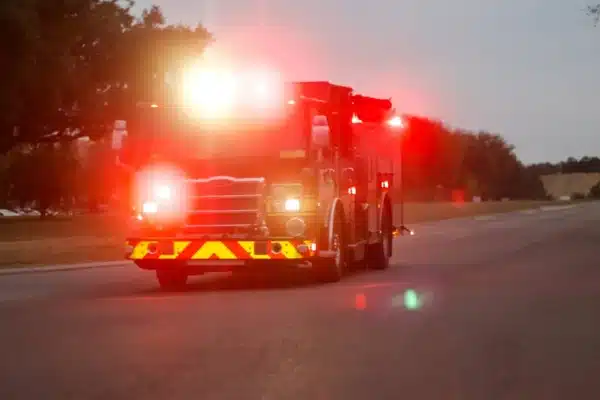
Did you know that over 350,000 homes catch on fire each year? While most fires start in the kitchen, a small number also start in the bedroom and fireplace. A house fire is one of the most devastating and dangerous things that can happen to your home. Choosing the right vinyl siding options can help slow the spread and give your family critical extra time.
Read on to see exactly what a Class A fire rating means — and why it matters for your home.
Should I get insulated vinyl siding?
Insulated vinyl siding is often worth it, adding energy performance and comfort through its foam backing. As a woman-owned, family-run company, Coastal Windows & Exteriors has completed 7,000+ installations since 2011 across 730+ towns in Massachusetts, New Hampshire and Maine. The foam layer on insulated vinyl siding cuts drafts, steadies indoor temperatures, and strengthens the panels.
What Homeowners Need to Know:
- Better efficiency: Insulated siding improves a home’s air tightness by about 25% on average. Strong vinyl siding and insulation work together here.
- Comfort gain: The foam backing helps even out indoor temperatures. Rooms feel steadier through hot summers and cold winters.
- Real need: Roughly 89% of US homes are under-insulated. Adding insulated vinyl closes part of that gap affordably.
- Added durability: The foam backing makes panels more rigid and impact resistant. It also helps dampen outside noise.
- Budget note: Insulated vinyl costs a bit more than standard vinyl, near $18,000 on average. The energy benefit can offset that over time.
Comparing Your Vinyl Options
Option | Pros | Cons | Best For | Price |
Insulated vinyl | Most energy-efficient, rigid, quieter | Higher upfront cost | Comfort, energy savings | Above standard vinyl |
Standard vinyl | Lowest cost, proven, low upkeep | Less insulation, thinner feel | Tight budgets | About $18,000 avg installed |
Choosing the Right Vinyl Siding
Top Recommendation: Choose insulated vinyl siding for the best energy performance and comfort. Get a free estimate to compare.
Best for budget: Pick standard vinyl when keeping upfront cost low matters most.
Smart for cold climates: Favor the foam-backed option for steadier winter warmth.
Ready to boost your home’s efficiency? Schedule a free consultation today. Coastal Windows & Exteriors is the #1 woman-owned exterior remodeling company in New England (Inc. 5000), woman-owned and family-run since 2011, with 7,000+ installations across MA, NH, and ME. Financing runs up to 20 years through third-party vendors, based on credit approval.
Request a free siding estimate from Coastal Windows & Exteriors.
Browse our complete siding FAQ guide from Coastal Windows & Exteriors.
Explore the Coastal Windows & Exteriors Siding Exterior Remodeling Home Improvement Help Center.
Last Updated: July 2026
Sources:
- Insulated siding improves a home’s air tightness by about 25% on average. ENERGY STAR Why Seal and Insulate, federal guidance on air-sealing and home insulation benefits. (Accessed June 2026)
- About 89% of US homes are under-insulated. Insulation Institute ICF Report Reveals Eighty-Nine Percent of Homes Are Under-Insulated, industry findings on US home insulation levels. (2024)
- Vinyl siding averages about $18,000 installed in the US. JLC 2025 Cost vs. Value Report, New England, regional cost data for vinyl siding replacement. (2026)
What's the difference between regular and insulated vinyl siding?
Regular vinyl siding is hollow behind the panel, while insulated vinyl adds a foam backing for better energy performance. As a woman-owned, family-run company, Coastal Windows & Exteriors has completed 7,000+ installations since 2011 across 730+ towns in Massachusetts, New Hampshire and Maine. That foam layer gives insulated vinyl siding reduced drafts, added strength, and steadier indoor temperatures.
What Homeowners Need to Know:
- The core change: Regular vinyl sits hollow against the wall, while insulated vinyl carries foam backing. That backing reshapes how the siding performs.
- Energy edge: Strong vinyl siding and insulation reduce drafts and thermal bridging. Insulated panels improve air tightness by about 25% on average.
- Strength and sound: The foam adds rigidity and dampens outside noise. Insulated panels also resist dents better than hollow ones.
- Real need: About 89% of US homes are under-insulated. Insulated vinyl helps close that gap during a siding upgrade.
- Cost trade-off: Standard vinyl costs less upfront, near $18,000 on average. Insulated vinyl adds comfort, and both stay low maintenance.
Comparing Regular vs Insulated Vinyl
Option | Pros | Cons | Best For | Price |
Insulated vinyl | Most energy-efficient, rigid, quieter | Higher upfront cost | Comfort, energy savings | Above standard vinyl |
Regular vinyl | Lowest cost, proven, low upkeep | Hollow, less insulation | Tight budgets | About $18,000 avg installed |
Choosing the Right Vinyl Siding
Top Recommendation: Choose insulated vinyl for the strongest energy performance and comfort. Get a free estimate to find your best fit.
Best for budget: Pick regular vinyl when keeping upfront cost low matters most.
Smart for cold climates: Favor the foam-backed option for steadier winter warmth.
Ready to compare your vinyl options? Schedule a free consultation today. Coastal Windows & Exteriors is the #1 woman-owned exterior remodeling company in New England (Inc. 5000), woman-owned and family-run since 2011, with 7,000+ installations across MA, NH, and ME. Financing runs up to 20 years through third-party vendors, based on credit approval.
Request a free siding estimate from Coastal Windows & Exteriors.
Browse our complete siding FAQ guide from Coastal Windows & Exteriors.
Explore the Coastal Windows & Exteriors Siding Exterior Remodeling Home Improvement Help Center.
Last Updated: July 2026
Sources:
- Insulated siding improves a home’s air tightness by about 25% on average. ENERGY STAR Why Seal and Insulate, federal guidance on air-sealing and home insulation benefits. (Accessed June 2026)
- About 89% of US homes are under-insulated. Insulation Institute ICF Report Reveals Eighty-Nine Percent of Homes Are Under-Insulated, industry findings on US home insulation levels. (2024)
- Vinyl siding averages about $18,000 installed in the US. JLC 2025 Cost vs. Value Report, New England, regional cost data for vinyl siding replacement. (2026)
What Is Class A Fire Rated Siding?
Class A fire rated siding is exterior cladding that scores 25 or below on the ASTM E84 flame spread test — the highest fire performance classification available for residential siding materials. Class A siding is the most stringent tier in a three-level system: Class A (0–25), Class B (26–75), and Class C (76–200). The lower the score, the slower the material allows flames to spread across its surface.
Not all siding qualifies. Wood, for example, registers around 100 on the ASTM E84 scale — squarely in Class C territory. Meanwhile, class A fire rated siding like vinyl and fiber cement score well below that threshold, making them the preferred choice for homeowners focused on fire performance.
Here’s how vinyl earns its Class A designation — and what the ASTM E84 test actually measures.
How the ASTM E84 Test Determines Fire Class Ratings
The ASTM E84 test — also called the Steiner Tunnel test — is the industry-standard method for measuring how quickly flames spread across a building material’s surface. Here’s how it works in plain terms:
- A sample of the siding material is placed inside a tunnel-shaped furnace and exposed to a controlled flame for approximately 10 minutes
- The test measures two things
- The Flame Spread Index (how fast flames travel across the surface)
- The Smoke Developed Index (how much smoke the material produces as it burns).
To make the scale concrete, two reference points anchor the results. Fiber cement board scores a 0 — meaning flames do not spread across its surface at all. Red oak lumber scores a 100, which is the middle of the scale and the benchmark for a naturally combustible material. ASTM E84 siding ratings are then measured against those two anchors.
- Class A siding: Flame Spread Index of 0–25
- Class B siding: Flame Spread Index of 26–75
- Class C siding: Flame Spread Index of 76–200
The closer a material scores to 0, the better it performs in a fire.
Does Vinyl Siding Meet Class A Standards?
Many vinyl siding products do meet Class A standards under the ASTM E84 test — including Coastal Windows & Exteriors’ Exterior Portfolio line, which carries a Flame Spread Index below 25. That puts it in the same top-tier fire class as fiber cement, making it a strong performer among common residential siding materials.
That said, the vinyl siding fire rating tells only part of the story. Vinyl is combustible — it will eventually ignite and burn when exposed to sustained flame. However, it takes a higher temperature than wood to get there.
It is not noncombustible in the way that fiber cement is. Vinyl slows fire spread; it does not stop it the way a truly noncombustible material can.
For most New England homeowners, a Class A vinyl siding fire rating represents a meaningful upgrade over wood — and a sound, budget-conscious choice for fire performance. For homeowners who want the highest level of fire resistance available, noncombustible options like James Hardie® fiber cement are worth comparing.
Vinyl Siding Fire Rating: How Vinyl Performs in a House Fire
What makes vinyl siding a great choice when it comes to fire safety? The answer lies within the makeup of the materials.
When the material polyvinyl chloride, found in vinyl siding, catches fire, it does not release a lot of energy. This is beneficial to stop the spread of the fire since the flames cannot rapidly spread on their own.
Vinyl siding’s fire rating is also helped by its self-extinguishing properties. Unlike wood, vinyl has a high Limiting Oxygen Index — meaning it cannot sustain combustion in normal air conditions (approximately 21% oxygen). When the flame source is removed, vinyl will stop burning on its own. Wood, by contrast, ignites faster, burns more freely, and continues to spread fire without needing a sustained flame source.
Since it’s more difficult for fire resistant siding like vinyl to spread fire and continue burning, it makes it easier to extinguish the fire.
At What Temperature Does Vinyl Siding Melt?
Vinyl softens around 160–165°F (heat distortion, not fire) and ignites around 730–750°F (direct flame only). These are two separate thresholds. Confusing them leads to misleading claims about vinyl’s fire performance.
Here’s how it works: vinyl siding begins to soften and distort at around 160–165°F. That’s not a fire temperature — it’s the kind of heat that can come from reflected sunlight off nearby Low-E windows, a grill placed too close to the house, or direct summer sun on a dark-colored surface.
At this temperature, vinyl won’t catch fire, but it can warp or buckle. If you’ve seen wavy or distorted siding on a neighbor’s house, reflected heat is usually the culprit.
Vinyl siding does not ignite from a flame until it reaches approximately 730–750°F — far above any ambient heat source. That high ignition threshold is one of the key reasons vinyl earns a Class A fire rating under ASTM E84. It takes sustained, direct flame at extreme temperatures to actually set vinyl on fire.
Can You Burn Vinyl Siding? Understanding Combustion vs. Melting
Yes, you can burn vinyl siding. However, it takes a direct flame at approximately 730–750°F to ignite it, and it behaves very differently from wood once it does. The key distinction is between melting and combustion.
Vinyl softens and distorts at around 160–165°F from heat sources like reflected sunlight or a nearby grill. This is not burning, but heat distortion. Actual combustion requires sustained direct flame at extreme temperatures.
When vinyl does ignite, it is self-extinguishing — meaning once the flame source is removed, it stops burning on its own. It does not continue to spread fire the way wood does. This self-extinguishing property is one of the core reasons vinyl can achieve a Class A flame spread rating under ASTM E84, and why it outperforms wood on every measurable fire metric.
So can you burn vinyl siding? Technically yes — but under conditions far more extreme than most house fire scenarios involve at the exterior wall, and with behavior far more controlled than combustible organic materials like wood or cedar shake.
Fire Resistant Siding Materials Compared: Vinyl, Fiber Cement, Wood, Stone, Brick, Stucco
When homeowners ask “what is the most fire resistant siding?” The answer depends on whether you’re looking for fire-resistant or truly noncombustible siding materials. Here’s how the most common exterior cladding options compare on verified fire performance data.
Siding Material | Combustible? | Fire Class (ASTM E84) | Key Fire Behavior |
Vinyl (PVC) | Combustible, but flame-retardant | Many vinyl products meet Class A | Will not ignite from a flame until ~730–750°F; self-extinguishes once the flame source is removed; softens/distorts at ~160–165°F (heat, not fire) |
James Hardie Fiber Cement | Noncombustible (ASTM E136) | Class A — flame spread index 0, smoke developed <5 | Will not ignite or add fuel to a fire; ask about 1- and 2-hour fire-rated wall assemblies (ASTM E119) |
Wood / Cedar | Combustible (organic) | Untreated wood does not earn Class A | Ignites from a flame at ~500°F; the fastest to ignite and spread fire |
Stucco (cement plaster) | Noncombustible (ASTM E136) | — | 7/8″ cement plaster can provide a 1-hour fire-rated exterior cladding |
Source: Fiber cement, metal, brick & stone classified as noncombustible per Peninsula Siding / James Hardie; stucco per Stucco Manufacturers Association (ASTM E136). Ignition temperatures per Vinyl Siding Institute / polymericexteriors.org.
Vinyl: Strong Fire Performance, Budget-Friendly
Vinyl earns its place on this list. It won’t ignite until ~730–750°F, self-extinguishes when the flame source is removed, and many products — including Coastal’s Exterior Portfolio line — carry a Class A flame spread rating. For homeowners who want meaningful fire protection at an accessible price point, vinyl is a well-proven choice across Massachusetts, New Hampshire, and Maine.
Fiber Cement: The Noncombustible Standard
James Hardie® fiber cement is the only common residential siding material that is both Class A fire rated and verified noncombustible per ASTM E136. It will not ignite, will not contribute fuel to a fire, and is available in 1- and 2-hour fire-rated wall assembly configurations. For homeowners who want the highest level of fire resistance available, fiber cement sets the standard.
Wood and Cedar: The Highest Fire Risk
Untreated wood and cedar shake are the most fire-vulnerable common siding materials. Wood ignites at approximately 500°F — well below vinyl’s ~730–750°F threshold — and burns freely once ignited, spreading fire rapidly across the exterior. For New England homes, where older wood-clad structures are common, upgrading to a Class A fire resistant siding material is one of the most meaningful fire-safety improvements a homeowner can make.
Stucco, Brick, and Stone: Noncombustible but Limited
Stucco, brick, and stone are all noncombustible — they will not ignite or contribute fuel to a fire. A 7/8″ cement plaster (stucco) application can even provide a 1-hour fire-rated exterior cladding. However, these materials come with significant limitations in a New England climate: higher installation cost, susceptibility to freeze-thaw cracking, and far fewer style and color options than vinyl or fiber cement.
For most homeowners in Massachusetts, New Hampshire, and Maine, the practical choice comes down to vinyl or James Hardie® fiber cement — and both outperform wood significantly on fire resistance.
Fireproof Siding for Houses: What “Fireproof” Really Means
When homeowners search for fireproof siding for houses, they’re asking exactly the right question — but “fireproof” isn’t a term recognized by building codes or fire-safety standards. No exterior cladding is truly fireproof. Every siding material will eventually be affected by fire given enough heat, sustained flame, or structural failure elsewhere in the home.
What building codes and fire-safety testing actually measure is fire resistance — specifically, how long a material or wall assembly can slow the spread of flame, limit heat transfer, and maintain structural integrity before failing. That’s a meaningfully different standard than “won’t burn at all.”
Here’s the distinction that matters for homeowners:
- Fire resistant means the material slows flame spread and performs well under ASTM E84 testing. Class A is the highest tier. Vinyl and fiber cement both qualify.
- Noncombustible means the material will not ignite or contribute fuel to a fire under ASTM E136 testing. Fiber cement, brick, stone, and stucco qualify. Vinyl does not.
- Fireproof is not a defined building-code classification. No residential siding product carries this designation.
Real fire protection for a house comes from the full wall assembly — siding, sheathing, insulation, interior wallboard, and framing working together — not from any single cladding material. A Class A fire rated siding is an important layer of that system, but it works best when the rest of the assembly is also designed with fire performance in mind.
The honest answer to “what is the most fireproof siding for houses?” is this: choose the highest fire-rated cladding available — Class A vinyl or noncombustible fiber cement — and pair it with a properly designed wall assembly.
How Vinyl Siding Helps Slow Fire Spread in New England Homes
The majority of house fires begin in the interior of the home. If the fire does not remain under control, it can spread to the exterior. Only a small number of fires begin at the exterior of the home, coming in around 4%.
This matters especially in New England, where a large share of the housing stock consists of older wood-frame homes — many built before modern fire-resistance standards were established. Coastal communities across Massachusetts, New Hampshire, and Maine tend to have homes built close together, which increases the risk of fire spreading from one structure to the next.
Older homes with wood cladding are at a high risk of igniting and combustion. What’s worse is that wood siding can rapidly spread, resulting in a complete loss once the fire engulfs the home.
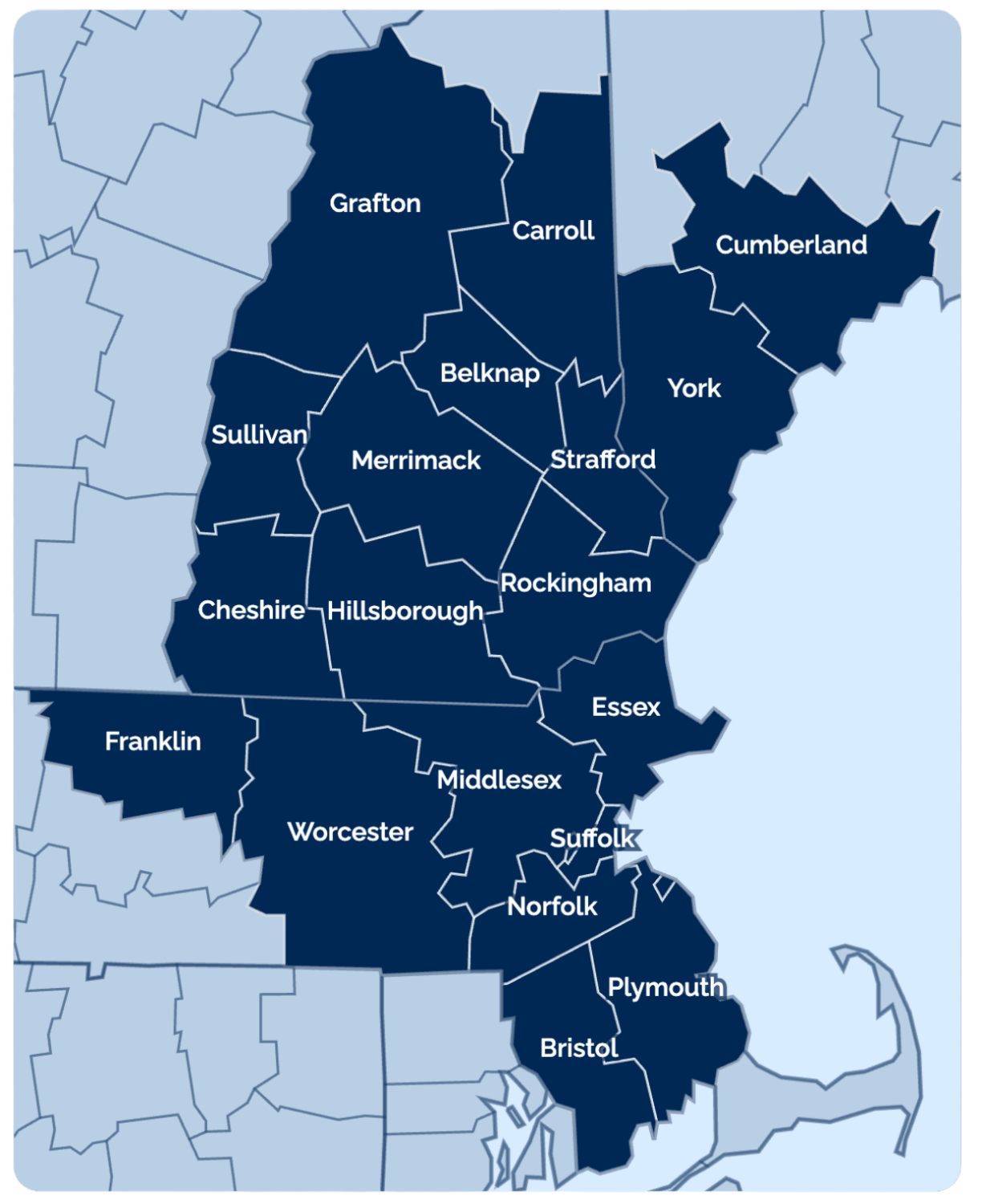
If a home with fire resistant home siding like vinyl manages to catch on fire, whether it begins from the inside or outside of the home, it won’t spread as fast. Studies show that vinyl siding burns and spreads at a slower rate than wood. For homeowners across the region, that slower spread can make a critical difference — see the towns we serve across MA, NH, and ME.
Does Fire Resistant Siding Lower Home Insurance Costs?
Some homeowners find that upgrading to fire resistant siding can positively affect their home insurance premiums — but the specifics vary significantly by carrier, state, and policy. There are no universal guarantees, and no standard discount percentage that applies across the board.
That said, the insurance benefit is most commonly associated with noncombustible upgrades. Because materials like James Hardie® fiber cement are verified noncombustible per ASTM E136 — meaning they will not ignite or contribute fuel to a fire — some insurance carriers recognize this reduced risk when calculating premiums. Vinyl siding, while Class A fire rated, is still combustible, so the insurance benefit is generally less pronounced than it is for fiber cement.
If fire resistant siding insurance savings are a factor in your decision, the right next step is a direct conversation with your insurance agent. Ask specifically whether upgrading from wood or aging siding to a Class A fire rated or noncombustible material qualifies your home for a discount under your current policy.
Ready to explore your options? Request a free quote and our team can walk you through both vinyl and fiber cement — and what each brings to your home’s fire performance profile.
Real New England Vinyl Siding Projects: Get Your Free Estimate for Fire-Safe Home Upgrades
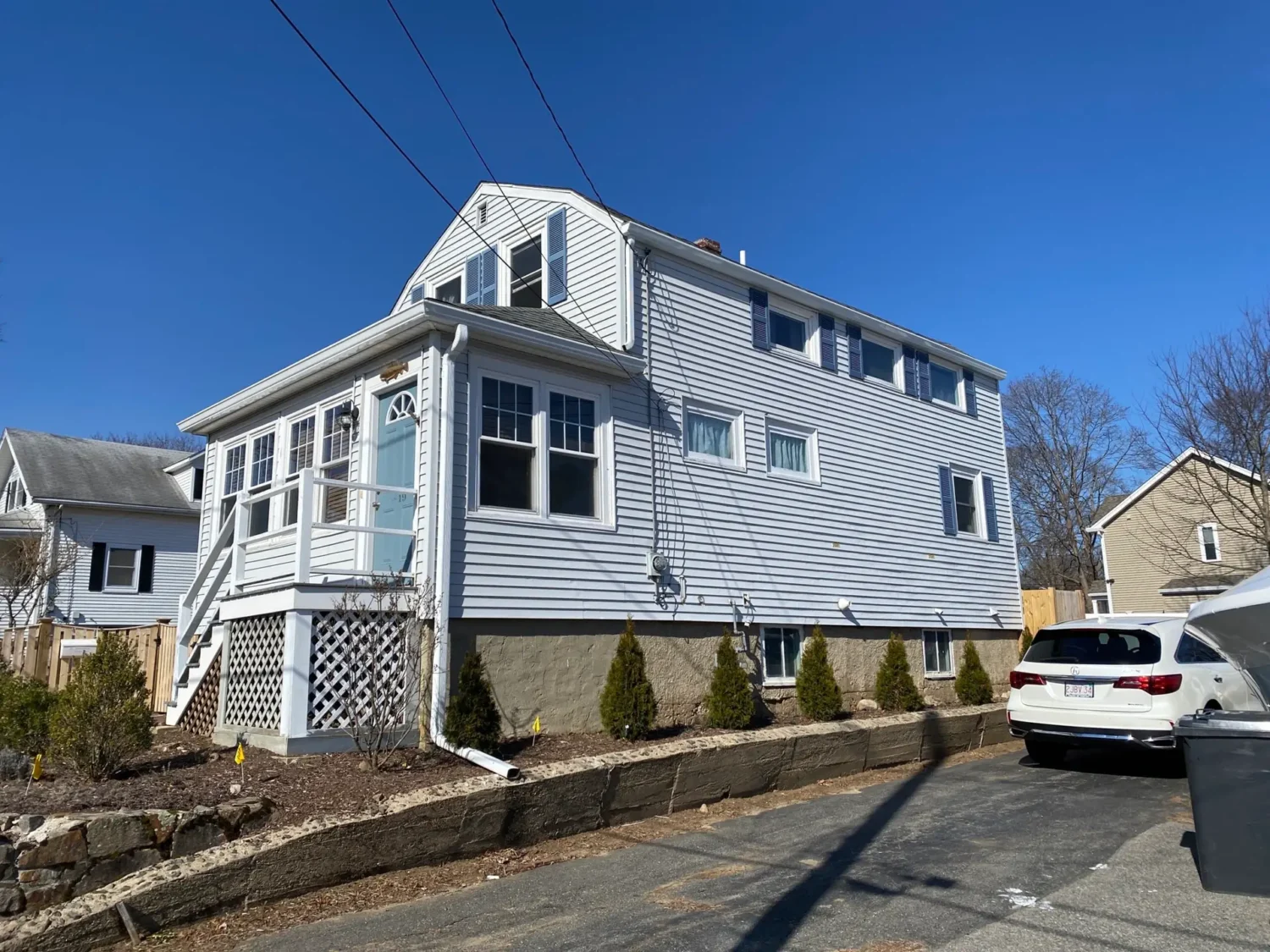
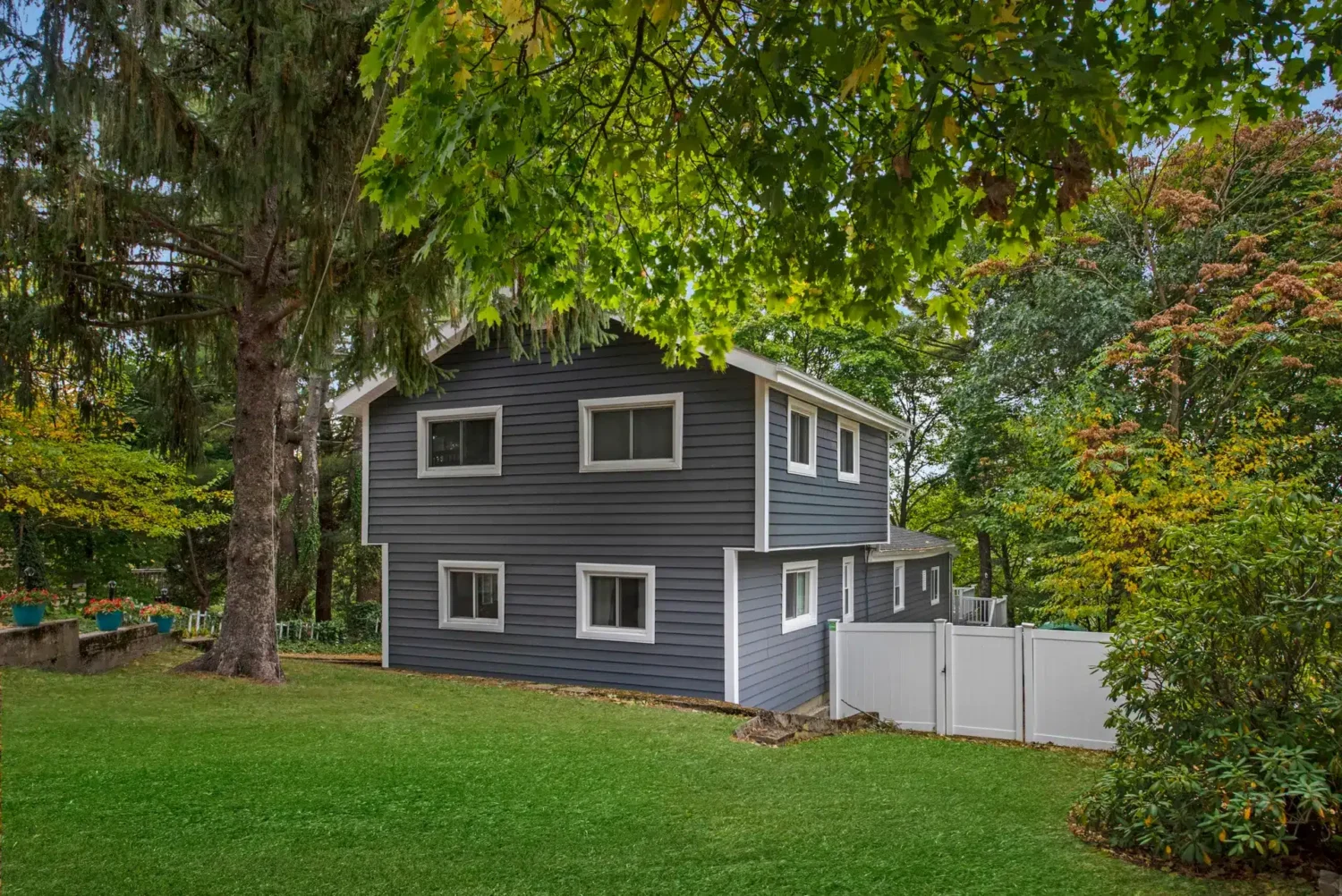
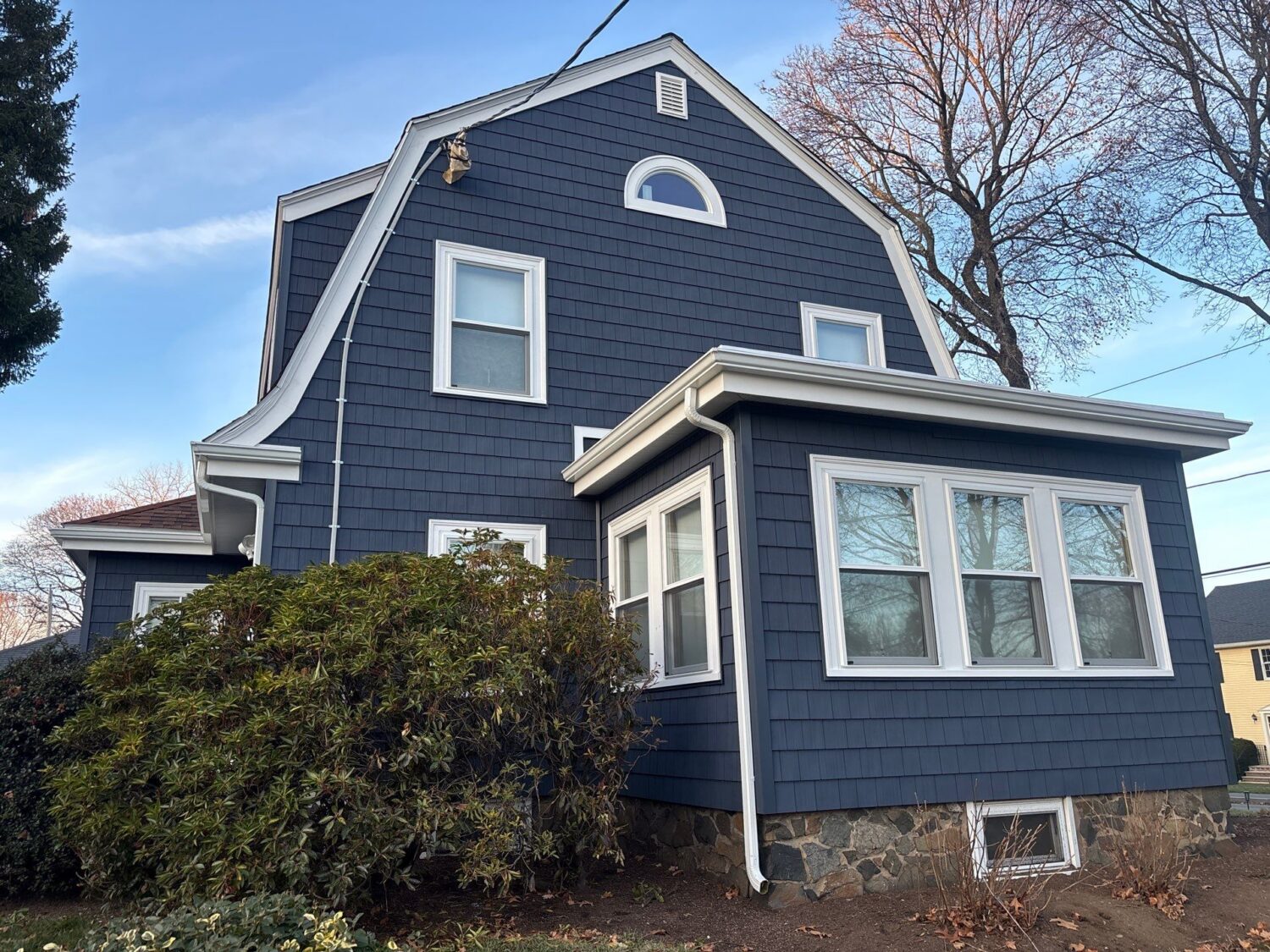
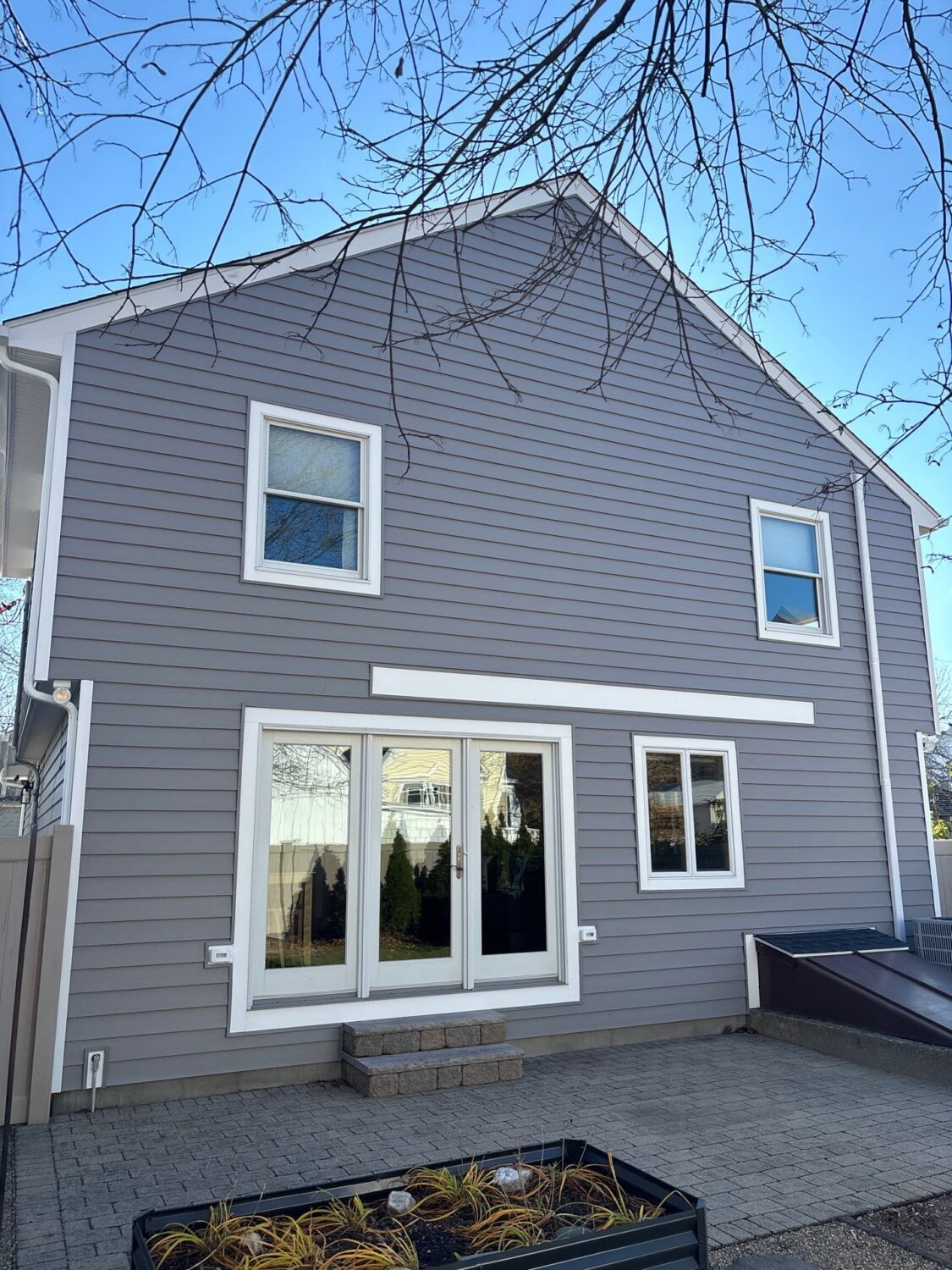
Looking to see some real-life examples of fire-safe vinyl siding in New England? Check out some of our vinyl siding projects throughout Massachusetts and New Hampshire:
- Class A vinyl siding installation in Hampton, NH
- Fire-safe siding upgrade in Plymouth, MA
- Vinyl siding installation in Beverly, MA
- New vinyl siding in Ashland, MA
Protect your home from the threat of fire with fire resistant siding from Coastal Windows & Exteriors. Free estimates, interest-free financing, and seasonal promotions are available now. Schedule a free siding estimate.
Is Vinyl Siding Fire Resistant? Frequently Asked Questions
What siding is fire resistant?
Fire resistant siding includes fiber cement, brick, stone, and stucco, all noncombustible materials that resist flame. As a woman-owned, family-run company and James Hardie Alliance Elite contractor, Coastal Windows & Exteriors has completed 7,000+ installations since 2011 across 730+ towns in Massachusetts, New Hampshire and Maine. Fiber cement earns the highest Class A rating, making fire resistant siding a smart choice for protection.
What Homeowners Need to Know:
- Several options: The top fire resistant siding choices are fiber cement, brick, stone, and stucco. These materials are non-combustible by nature.
- Vinyl’s place: Vinyl is fire resistant, and many products meet Class A. It stays combustible, though, and never counts as fireproof.
- The top tier: James Hardie fiber cement will not ignite or feed a fire. This fire rated siding is non-combustible under ASTM E136.
- Wood lags: Untreated wood ignites at lower temperatures and spreads fire fastest. It ranks as the least fire safe cladding.
Comparing Fire Resistant Siding
Option | Pros | Cons | Best For | Fire Behavior |
Fiber cement | Non-combustible, no fuel added, durable | Higher cost than vinyl | Fire-prone areas, longevity | Will not ignite (ASTM E136) |
Vinyl | Affordable, many Class A products, low upkeep | Combustible, softens in heat | Budget, broad use | Self-extinguishes, still burns |
Stucco | Non-combustible, solid coverage | Cracking over time | Masonry-style homes | Can reach a 1-hour rating |
Wood | Natural look, renewable | Ignites easily, spreads fire | Aesthetic-first builds | Least fire safe |
Choosing the Right Fire Rated Siding
Top Recommendation: Choose James Hardie fiber cement for true non-combustible protection. Get a free estimate to plan yours.
Best for budget: Pick a Class A vinyl product when cost leads your decision.
Smart for masonry looks: Consider stucco when you want a non-combustible, solid finish.
Ready to upgrade to fire-smart siding? Schedule a free consultation today. Coastal Windows & Exteriors is a James Hardie Elite Preferred Contractor and the #1 woman-owned James Hardie exterior remodeling company in New England, with 7,000+ installations across MA, NH, and ME. Financing runs up to 20 years through third-party vendors, based on credit approval.
Request a free siding estimate from Coastal Windows & Exteriors.
Browse our complete siding FAQ guide from Coastal Windows & Exteriors.
Explore the Coastal Windows & Exteriors Siding Exterior Remodeling Home Improvement Help Center.
Last Updated: July 2026
Sources:
- Fiber cement siding averages about $21,500 installed in the US. JLC 2025 Cost vs. Value Report, New England, regional cost data for fiber cement siding replacement. (2026)
Is fireproof siding for houses a real thing?
Fireproof siding is more of a marketing phrase than a real building term, since no cladding is truly fireproof. As a woman-owned, family-run company and James Hardie Alliance Elite contractor, Coastal Windows & Exteriors has completed 7,000+ installations since 2011 across 730+ towns in Massachusetts, New Hampshire and Maine. Accurate terms like fire resistant and noncombustible describe how siding actually performs.
What Homeowners Need to Know About Fireproof Siding for Houses:
- No siding resists fire 100%: Fireproof siding for houses is more of a sales phrase than a code term. No cladding resists fire completely.
- Better wording: The accurate terms are fire resistant and non-combustible. These describe real, tested performance, not a guarantee.
- Closest option: Fiber cement comes closest, since it will not ignite or feed a fire. This fire rated siding earns the top Class A rating.
- Vinyl’s place: Vinyl resists fire and many products meet Class A. It stays combustible, though, so it never qualifies as fireproof.
- Whole wall counts: Real protection comes from the full wall assembly, not the siding alone. Layers of materials work together.
Comparing Fire Performance by Material
Option | Pros | Cons | Best For | Fire Behavior |
Fiber cement | Non-combustible, no fuel added, durable | Higher cost than vinyl | Fire-prone areas, longevity | Will not ignite (Class A) |
Vinyl | Affordable, many Class A products, low upkeep | Combustible, softens in heat | Budget, broad use | Self-extinguishes, still burns |
Wood | Natural look, renewable | Ignites easily, spreads fire | Aesthetic-first builds | Least fire safe |
Choosing Fire-Smart Siding
Top Recommendation: Choose James Hardie fiber cement for true non-combustible siding. Get a free estimate to learn more from Coastal Windows & Exteriors.
Best for budget: Pick a Class A vinyl product when cost leads your decision.
Smart for whole-home safety: Focus on the full wall assembly, not just the cladding.
Ready to build a fire-smart exterior? Schedule a free consultation today. Coastal Windows & Exteriors is a James Hardie Elite Preferred Contractor and the #1 woman-owned James Hardie exterior remodeling company in New England, with 7,000+ installations across MA, NH, and ME. Financing runs up to 20 years through third-party vendors, based on credit approval.
Request a free siding estimate from Coastal Windows & Exteriors.
Browse our complete siding FAQ guide from Coastal Windows & Exteriors.
Explore the Coastal Windows & Exteriors Siding Exterior Remodeling Home Improvement Help Center.
Last Updated: July 2026
Sources:
- Fiber cement siding averages about $21,500 installed in the US. JLC 2025 Cost vs. Value Report, New England, regional cost data for fiber cement siding replacement. (2026)
Is there fire rated or fireproof siding?
Fire rated siding is real and backed by standardized testing, while fireproof siding is not a true building category. As a woman-owned, family-run company and James Hardie Alliance Elite contractor, Coastal Windows & Exteriors has completed 7,000+ installations since 2011 across 730+ towns in Massachusetts, New Hampshire and Maine. A fire rating reflects tested performance, so fire rated siding sets honest expectations that fireproof cannot.
What Homeowners Need to Know:
- Fire rated, yes: Fire rated siding is real and measured under standards like ASTM E84. Fireproof siding, by contrast, is not a code term.
- What it means: A fire rating shows how well a material resists flame spread. Class A fire rated siding marks the highest level.
- Materials that qualify: Fiber cement, brick, and stone earn strong fire ratings. Many vinyl products meet Class A fire rated siding levels as well.
- The top tier: James Hardie fiber cement is non-combustible and adds no fuel. It reaches the Class A rating cleanly.
- No true fireproof: No siding is fully fireproof, though several are highly fire resistant. Honest wording matters for safety.
Comparing Fire Rated Siding Options
Option | Pros | Cons | Best For | Fire Behavior |
Fiber cement | Non-combustible, no fuel added, durable | Higher cost than vinyl | Fire-prone areas, longevity | Class A, will not ignite |
Vinyl | Affordable, many Class A products, low upkeep | Combustible, softens in heat | Budget, broad use | Class A possible, still burns |
Brick or stone | Non-combustible, very long-lasting | Highest cost, heavy | Premium, masonry homes | Strong fire rating |
Wood | Natural look, renewable | Ignites easily, spreads fire | Aesthetic-first builds | Least fire safe |
Choosing the Right Fire Rated Siding
Top Recommendation: Choose James Hardie fiber cement for non-combustible, Class A performance. Get a free estimate to compare options.
Best for budget: Pick a Class A vinyl product when cost leads your decision.
Smart for premium homes: Consider brick or stone for a strong, lasting fire rating.
Ready to compare fire rated siding? Schedule a free consultation today. Coastal Windows & Exteriors is a James Hardie Elite Preferred Contractor and the #1 woman-owned James Hardie exterior remodeling company in New England, with 7,000+ installations across MA, NH, and ME. Financing runs up to 20 years through third-party vendors, based on credit approval.
Request a free siding estimate from Coastal Windows & Exteriors.
Browse our complete siding FAQ guide from Coastal Windows & Exteriors.
Explore the Coastal Windows & Exteriors Siding Exterior Remodeling Home Improvement Help Center.
Last Updated: July 2026
Sources:
- Fiber cement siding averages about $21,500 installed in the US. JLC 2025 Cost vs. Value Report, New England, regional cost data for fiber cement siding replacement. (2026)
What is Class A fire rated siding?
Class A fire rated siding carries the lowest flame spread and the safest fire performance class available. As a woman-owned, family-run company and James Hardie Alliance Elite contractor, Coastal Windows & Exteriors has completed 7,000+ installations since 2011 across 730+ towns in Massachusetts, New Hampshire and Maine. Fiber cement earns Class A fire rated siding status for its strong resistance to flame spread.
What Homeowners Need to Know:
- Top rating: Class A fire rated siding earns the lowest flame spread under ASTM E84. It marks the safest of the three fire classes.
- The scale: ASTM E84 scores flame spread from 0 to 25 for Class A. Class B runs 26 to 75, and Class C runs 76 to 200.
- Who qualifies: Fiber cement scores near zero on this scale. Many vinyl products reach Class A too, though vinyl still burns.
- The top tier: James Hardie fiber cement is non-combustible and adds no fuel. This class a siding sits at the safest end.
- Why it matters: Some insurers and local codes prefer Class A materials. The rating signals strong, tested fire performance.
Comparing Materials by Fire Class
Option | Pros | Cons | Best For | Flame Spread |
Fiber cement | Non-combustible, no fuel added, durable | Higher cost than vinyl | Fire-prone areas, longevity | Near zero (Class A) |
Vinyl | Affordable, many Class A products, low upkeep | Combustible, softens in heat | Budget, broad use | Class A possible, still burns |
Wood | Natural look, renewable | Ignites easily, spreads fire | Aesthetic-first builds | Higher class, least safe |
Choosing Class A Siding
Top Recommendation: Choose James Hardie fiber cement for non-combustible, Class A safety. Get a free estimate today.
Best for budget: Pick a Class A vinyl product when cost is top factor in your decision.
Smart for fire-prone areas: Favor non-combustible materials that score near zero.
Ready to upgrade to Class A siding? Schedule a free consultation today. Coastal Windows & Exteriors is a James Hardie Elite Preferred Contractor and the #1 woman-owned James Hardie exterior remodeling company in New England, with 7,000+ installations across MA, NH, and ME. Financing runs up to 20 years through third-party vendors, based on credit approval.
Request a free siding estimate from Coastal Windows & Exteriors.
Browse our complete siding FAQ guide from Coastal Windows & Exteriors.
Explore the Coastal Windows & Exteriors Siding Exterior Remodeling Home Improvement Help Center.
Last Updated: July 2026
Sources:
- Fiber cement siding averages about $21,500 installed in the US. JLC 2025 Cost vs. Value Report, New England, regional cost data for fiber cement siding replacement. (2026)
What is the most fire resistant siding material?
Fiber cement ranks among the most fire resistant siding materials, noncombustible and adding no fuel to a fire. As a woman-owned, family-run company and James Hardie Alliance Elite contractor, Coastal Windows & Exteriors has completed 7,000+ installations since 2011 across 730+ towns in Massachusetts, New Hampshire and Maine. Alongside brick, stone, and stucco, fiber cement siding leads the field for fire resistance.
What Homeowners Need to Know:
- Top performer: Fiber cement is the most fire resistant siding material in common use. It will not ignite or feed a fire.
- Strong group: Brick, stone, and stucco also resist fire well. Stucco can form a one-hour rated cladding at the right thickness.
- The top brand: James Hardie fiber cement is non-combustible under ASTM E136. It adds no fuel and reaches a Class A rating.
- Vinyl ranks mid: Vinyl resists fire and often meets Class A, yet stays combustible. It remains the value choice for many homes.
- Wood ranks last: Untreated wood ignites at lower temperatures and spreads fire fastest. It needs extra care or treatment.
What is the Most Fire Resistant Siding?
Option | Pros | Cons | Best For | Fire Behavior |
Fiber cement | Non-combustible, no fuel added, durable | Higher cost than vinyl | Fire-prone areas, longevity | Will not ignite (Class A) |
Brick or stone | Non-combustible, very long-lasting | Highest cost, heavy | Premium, masonry homes | Strong fire resistance |
Stucco | Non-combustible, solid coverage | Cracking over time | Masonry-style homes | One-hour rating possible |
Vinyl | Affordable, many Class A products, low upkeep | Combustible, softens in heat | Budget, broad use | Self-extinguishes, still burns |
Wood | Natural look, renewable | Ignites easily, spreads fire | Aesthetic-first builds | Least fire safe |
Choosing the Right Material
Top Recommendation: Choose James Hardie fiber cement for non-combustible, top-tier protection. Get a free estimate to choose the right one.
Best for budget: Pick a Class A vinyl product when cost is an important part of your decision.
Smart for premium homes: Consider brick or stone for lasting fire resistance.
Ready to choose fire-smart siding? Schedule a free consultation today. Coastal Windows & Exteriors is a James Hardie Elite Preferred Contractor and the #1 woman-owned James Hardie exterior remodeling company in New England, with 7,000+ installations across MA, NH, and ME. Financing runs up to 20 years through third-party vendors, based on credit approval.
Request a free siding estimate from Coastal Windows & Exteriors.
Browse our complete siding FAQ guide from Coastal Windows & Exteriors.
Explore the Coastal Windows & Exteriors Siding Exterior Remodeling Home Improvement Help Center.
Last Updated: July 2026
Sources:
- Fiber cement siding averages about $21,500 installed in the US. JLC 2025 Cost vs. Value Report, New England, regional cost data for fiber cement siding replacement. (2026)