


New England Ice Dam Guide -Signs and Solutions
Ice dams are a homeowner’s worst winter nightmare, turning the charm of snowy rooftops into costly chaos. These icy barriers form at the roof’s edge, trapping water and leading to problems like leaks, structural damage, and even mold.
Table of Contents
Ice Dam Prevention: Protecting Your Roof This Winter in New England
Without proper insulation and ventilation, your roof becomes vulnerable to winter’s worst threat: ice dams. These icy barriers form when heat escapes your home, melts snow on the roof, and causes water to refreeze along the colder edges. As a result, runoff backs up under the shingles and into your home.
While ice dams may seem like an unavoidable part of New England winters, ice dam prevention is possible with the right strategy.
How Ice Dams Damage Your Home
Once an ice dam forms, the damage can escalate quickly. For example, water can seep under lifted shingles, drip down walls, and stain ceilings. Over time, this may lead to rot, mold, and even pest infestations—like termites drawn to damp wood.
The weight of ice can damage gutters and fascia boards, making repairs more complex and costly. That’s why ice dam prevention isn’t just a winter upgrade—it’s a smart long-term investment.
Understanding the Root Causes of Ice Dams
To effectively prevent ice dams, it’s essential to understand how they form:
Escaped heat from the attic warms the roof’s upper sections
Snow melts, then refreezes on colder roof edges
Ice builds up into a barrier, trapping water behind it
Water finds its way into your home
This cycle repeats after every snowstorm. With proper attic ventilation, insulation, and roofing materials, you can significantly reduce the risks.
Ice Dam Prevention Tips That Work
Thankfully, there are proven ways to prevent ice dams:
✅ Upgrade Attic Insulation
Proper insulation helps retain indoor heat, keeping your attic cold and preventing uneven roof temperatures.
✅ Ensure Proper Roof Ventilation
Good airflow allows warm air to escape and prevents heat buildup under the roof deck.
✅ Install Ice & Water Shield Barriers
These protective membranes create an added layer under shingles to block water intrusion.
✅ Clean Gutters Regularly
Clogged gutters trap snow and ice, which increases the chance of ice damming. Therefore, clean them before and during winter.
✅ Schedule a Roof Inspection
Before winter begins, have a roofing expert inspect your shingles, flashing, and insulation to identify vulnerabilities.
What New England’s 2025-2026 Winter Forecast Means for Your Roof
Are you wondering what kind of winter lies ahead? According to the Farmers’ Almanac 2025, New England is in for a Chill, Snow, Repeat theme with heavy snow, freeze/thaw cycles and ice dam risks.
Unfortunately, conditions will be perfect for ice dam formation–especially for older homes or those without adequate roofing protection. Proactive ice dam prevention should be a priority heading into this cold and snowy season.
Coastal Windows & Exteriors Can Help You Prepare
At Coastal Windows & Exteriors, we specialize in winter-proofing homes across New England. Whether you’re looking to improve insulation, replace a failing roof, or install protective barriers, we can help safeguard your home before the storms arrive.
🔧 Did you know? A properly installed roof with GAF Timberline shingles and weatherproofing layers can prevent ice dam leaks—even in blizzard conditions.
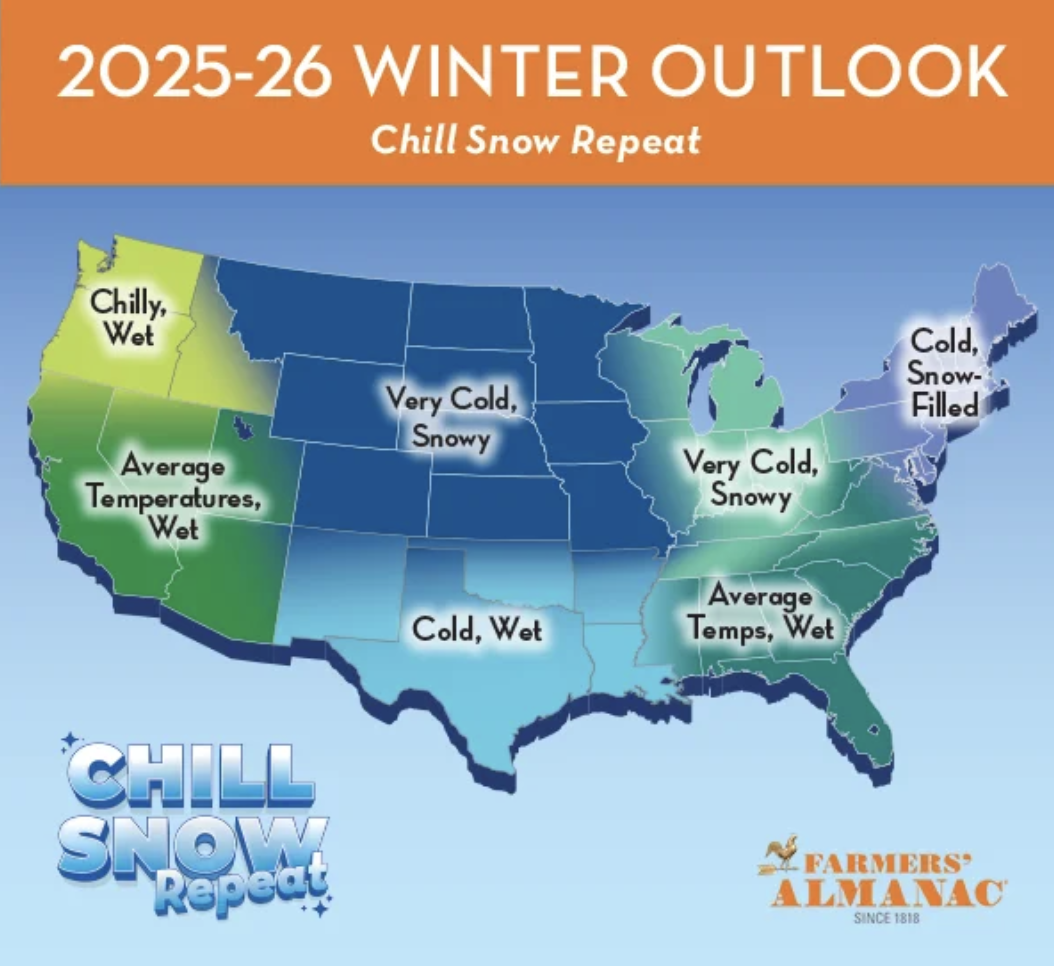
Farmers’ Almanac Winter 2025-2026: ‘Chill, Snow, Repeat’ for New England
The Farmers’ Almanac has issued its forecast for the 2025-2026 winter season, warning New England residents to prepare for one of the coldest, snowiest winters in recent years. The publication predicts dramatic temperature swings, consistent cold snaps, and frequent snowstorms that will test every roof in the region. The theme of the season is ‘Chill, Snow, Repeat’!
In particular, wet snow—which is four times heavier than light, powdery snow—can place immense stress on roofing systems. The risk of roof leaks and ice dam formation rises dramatically, especially for older roofs or those with insufficient insulation.
New England Ice Dam Hotspots: Is Your Town on the List?
Ice dams don’t affect all of New England equally. Certain regions face significantly higher risk due to a combination of heavy snowfall, freeze-thaw cycles, and geographic factors that create ideal conditions for ice dam formation. Understanding where ice dams are most severe helps homeowners in high-risk areas prioritize prevention and preparation.
Most At-Risk Massachusetts Cities for Ice Dams
Massachusetts has several hotspots where annual snowfall totals make ice dams a recurring winter problem:
- Lawrence and Haverhill (67.3″ avg): These neighboring cities in the northeastern corner of the state receive the highest average annual snowfall in Massachusetts, making them prime ice dam territory. The combination of heavy snow and older housing stock with inadequate insulation compounds the problem.
- Worcester (64.1″ avg): Central Massachusetts’ largest city experiences significant snowfall each winter. Worcester saw 22.4 inches from the January 25-26, 2026 storm alone—placing it in the city’s top 10 historic snowstorms. The storm dropped 5.8 inches on Worcester over a single weekend earlier in January as well.
- Pittsfield and the Berkshires (62.1″ avg): At 1,039 feet elevation, Pittsfield’s higher altitude contributes to heavier snowfall totals. The Berkshires region consistently ranks among the snowiest areas in the state, receiving 7.0 inches from one weekend storm in January 2026.
- Lowell (61.6″ avg): Just outside the northeast corner of the state, Lowell averages over 5 feet of snow annually. During the 2014-2015 winter, Lowell recorded the highest seasonal snowfall of any Massachusetts city—over 120 inches total. In January 2026, Lowell received 6.0 inches from a single weekend storm.
- Greater Boston (historic storm activity): While Boston’s annual average is lower than the cities above, the region experienced a major event in January 2026 when 23.2 inches of snow fell from a single storm, making it the 8th largest snowstorm in Boston’s recorded history. This storm brought ideal conditions for widespread ice dam formation across the metro area.
- Gloucester and Cape Ann (27″ jackpot): During the January 2026 historic storm, Gloucester topped Massachusetts snow totals with a remarkable 27 inches—the highest accumulation in the state from that single weather event.
New Hampshire: Seacoast to Central Regions Get Heavy Ice Dams
New Hampshire sees ice dam activity concentrated in several key areas:
- Nashua and Manchester: Southern New Hampshire’s largest cities experience significant snowfall and population density, leading to widespread ice dam issues during major winter storms.
- Portsmouth and the Seacoast: The coastal region faces unique challenges from nor’easters and ocean-effect snow. During the January 2026 storm, the New Hampshire Seacoast received nearly 2 feet (61 cm) of snow, creating ideal conditions for ice dam formation across the region.
- Central NH (Concord, Laconia): Inland areas receive consistent snowfall and extended periods of freezing temperatures, making ice dams a persistent winter problem.
Maine: Southern Coastal Communities Can See Serious Ice Dams
Maine’s ice dam risk is highest in populated southern regions:
- Portland: As Maine’s largest city, Portland experiences frequent winter storms and has a housing stock vulnerable to ice dam damage.
- Biddeford and Southern Maine Coast: Coastal communities face significant ice dam risk. Recent data shows Maine’s snowpack at 136% of normal levels, indicating above-average snow cover that increases ice dam likelihood across the state.
- Southern Maine Interior: Communities inland from the coast receive heavy lake-effect and storm-driven snowfall, combined with cold temperatures that prolong ice dam conditions.
Is Your New England Town an Ice Dam Hotspot?
Several factors make these regions ice dam hotspots:
- Heavy, persistent snowfall: Annual totals exceeding 60 inches create the snow “blanket” needed for ice dams to form.
- Freeze-thaw cycles: Temperatures that fluctuate above and below freezing—common in coastal and lower-elevation areas—accelerate the melt-and-refreeze process.
- Older housing stock: Many New England homes were built before modern insulation standards, allowing heat to escape into attics and melt roof snow.
- Coastal proximity: Ocean-effect storms and nor’easters deliver heavy, wet snow that’s more likely to stick and create drainage issues.
Ice Dams on Roof? Coastal Windows & Exteriors Serves 730+ Towns Across All Three States
Whether you’re in Lawrence, Worcester, Portsmouth, or Biddeford, Coastal Windows & Exteriors serves 730+ towns across Massachusetts, New Hampshire, and Maine. Our team understands the unique ice dam challenges facing each region and provides tailored roofing solutions designed for New England’s toughest winters.
From high-snowfall areas in the Berkshires to coastal communities on the Seacoast, we install GAF roofing systems with enhanced insulation, ventilation, and leak barriers proven to prevent ice dams—no matter where you live in our service area.
The Oreo Cookie Freeze-Thaw Cycle
Ice dams often form through a process we like to call the “Oreo cookie freeze-thaw cycle.” This cycle begins when snow melts during warmer daytime temperatures or from heat escaping your attic. As the water flows down your roof, it reaches the colder eaves and refreezes, forming a layer of ice.
Here’s how it works:
- Melting Layer: Snow acts like the cream filling of an Oreo, with the top layer melting due to attic heat or the sun’s warmth.
- Refreezing at the Edges: The water flows down to the roof’s edge, where it freezes into a solid ice layer—the bottom cookie in this analogy.
- Cycle Repeats: As snow continues to melt and refreeze, the layers of ice grow, blocking water runoff and trapping it on your roof.
This repetitive cycle builds an ice dam over time, creating more pressure on shingles and gutters. The trapped water eventually finds its way under shingles. This is ultimately what leads to roof leaks and potentially severe interior damage.

Why This Winter’s Predictions Matter for Ice Dams
New England’s mix of wet snow, sleet, and rain makes ice dams a nearly inevitable challenge for many homeowners. Here’s why these conditions increase ice dam risks:
- Frequent melting and refreezing: Warmer days and colder nights cause snow to melt and refreeze at roof edges, creating solid ice dams. We call this the Oreo cookie freeze and thaw cycle!
- Heavier precipitation: Above-normal snowfall and sleet add extra weight to roofs, putting pressure on shingles and gutters.
- Wet snow accumulation: Denser snow increases the risk of blocked gutters, which can exacerbate rain gutter ice dams and lead to water infiltration.
Can Ice Dams Cause Roof Damage?

Ice dams may seem like a seasonal nuisance, but they can cause widespread damage to your New England home’s roof, walls, and interior. These frozen barriers compromise the integrity of your roofing system and create conditions ripe for water leaks or structural decay.
Here’s a detailed look at how ice dams can wreak havoc and why addressing them promptly can save you from costly roof leak repair.
Heavy Weight and Roof Damage
Ice dams can grow incredibly large and put a tremendous amount of weight on your roof. In fact, if the ice dam is making your roof leak, you can bank on the ice dam weighing a few thousand pounds.
This immense pressure can lift shingles, exposing areas beneath them to water. When the frozen ice that’s lifted your shingles melts once again, water will seep through your roof and into your home unless you have Roof Deck Protection and Leak Barrier installed beneath your shingles.
The damage caused by heavy ice dams includes:
- Shingle lifting: Ice expands as it freezes, dislodging shingles.
- Exposed roof decking: Once shingles are lifted, water can seep into the roof structure.
- Weakened roof integrity: Prolonged exposure to ice and water can lead to rotting wood.
Interior Leaks and Water Stains

Leaks can travel into walls and ceilings, causing water stains, damage to insulation, and even electrical hazards from water near light fixtures. As ice dams block proper drainage, meltwater pools find a path into your home. This results in visible issues like:
- Water stains on ceilings and walls.
- Dripping or pooling water near windows and fixtures.
- Damp insulation that reduces energy efficiency and promotes decay.
Unchecked, these leaks can lead to the need for extensive roof leak repair, drywall replacement, and insulation upgrades.
Mold and Structural Problems

Hidden Ice Dam Damage: What You Don’t See Can Hurt You
Ice dam prevention isn’t just about stopping roof leaks—it’s about protecting your entire home. While visible water stains and ceiling drips are concerning, the real damage often happens where you can’t see it.
Water from ice dams can seep into soffits, walls, insulation, and ceilings. The structural integrity of your home is put at risk. Even worse, this trapped moisture creates the ideal conditions for mold growth and pest infestations.
Mold: The Silent Threat from Ice Dams
When moisture is left unchecked behind walls and ceilings, mold grows fast—especially in colder months when your home stays sealed tight. Mold isn’t just unsightly; it’s dangerous.
Here’s what makes mold a serious concern:
It spreads rapidly through drywall, ceilings, and insulation.
It harms indoor air quality, especially for people with asthma or allergies.
It leads to costly remediation that may require full wall and flooring removal.
Preventing ice dams is one of the most effective ways to prevent mold-related damage and expenses.
How Ice Dams Can Attract Termites
Surprisingly, ice dams can even lure termites into your home. These pests are drawn to the very conditions ice dams create—damp, softened wood hidden within walls, beams, and rafters.
Here’s how it happens:
1. Moisture Accumulation
Ice dams allow water to back up under shingles and soak wooden structures. This softens the wood, making it easy for termites to chew through.
2. Hidden Entry Points
Water damage weakens your home, creating cracks and gaps where termites can enter unnoticed.
3. Unchecked Infestations
Since termite colonies often grow behind walls, you may not even realize you have a problem—until the damage is extensive.
Termite Prevention Starts with Ice Dam Prevention
To prevent termite infestations linked to ice dams, follow these steps:
Install Ice & Water Shield: Apply at least 6 feet beneath your shingles to protect eaves, valleys, and vulnerable areas.
Fix leaks immediately: Don’t wait—moisture spreads fast, and so do termites.
Improve attic ventilation: Dry attics help prevent both mold and termites. Also, seal air leaks to control humidity.
When you take steps toward ice dam prevention, you’re also protecting your home from long-term structural and pest-related damage.
The Cost of Ignoring Ice Dams
Ice dams don’t just threaten your roof—they impact every part of your home. When water infiltrates through the shingles, it can cause damage to insulation, drywall, ceilings, and even electrical systems.
Common (and costly) repairs include:
Roof replacement from rotted decking and lifted shingles
Drywall and ceiling repairs from interior leaks
Electrical rewiring when moisture compromises outlets and fixtures
Flooring and insulation replacements after prolonged water exposure
By addressing ice dam prevention early, you can avoid these expenses and keep your home—and your wallet—protected.
Can Ice Dams Damage Shingles and Gutters?
Yes, ice dams cause severe damage to both shingles and gutters.
Ice dam removal costs up to $4,000, with shingle repairs ranging $130-$9,000 and gutter cleaning adding $75-$400. Related roof oof leak repairs can reach $24,000 for extensive interior damage.
What New England Homeowners Need to Know:
- Shingle Deterioration — Ice dams trap water under shingles, causing them to lift, crack, and lose granules. Freezing and thawing cycles repeat throughout winter, compromising your roof’s waterproof barrier and requiring costly replacement.
- Gutter System Failure — Heavy ice buildup adds hundreds of pounds to gutters. As a result, the ice pushes away the fascia boards, bending hangers, and creating permanent sag.
- Salt on Ice Dams Risks — Applying salt melts ice dams rapidly. This results in sudden water rushes that leak into your home faster than gradual melting. You’ll overwhelm your gutters and force water through vulnerable areas.
- Fascia and Soffit Damage — Water backing up behind ice dams seeps into wooden fascia boards and soffit panels. From there, rot spreads to roof decking and requires extensive repairs.
- Repeated Freeze-Thaw Impact — New England’s temperature fluctuations cause ice to expand and contract daily, working shingles loose from their adhesive seal and forcing gutters further from their mounting points with each cycle.
- Ventilation Deficiencies — Poor attic ventilation creates the warm roof conditions that melt snow unevenly, with proper systems like Cobra Ridge Vents and MasterFlow Intake Soffit Vents eliminating the heat buildup causing ice dams.
- Leak Barrier Protection — These membranes installed at eaves during roof replacement prevent water infiltration through the roof deck where ice dams form, protecting both your roof structure and interior from water damage.
Ice Dam Damage Prevention
Component at Risk | Damage Type | Repair Cost Range | Prevention Solution | Protection Duration |
Shingles | Lifting, cracking, granule loss | $130-$9,000 | Leak barriers + proper ventilation | Lifetime with GAF system |
Gutters | Sagging, detachment, bending | $75-$400 cleaning; more for replacement | Eliminate ice dam formation | Permanent solution |
Roof Structure | Leak damage, deck rot | Up to $24,000 | Complete ventilation system | Matches roof lifespan |
Protecting Your Investment
Best Overall: Complete GAF roofing system with Cobra Ridge Vents, MasterFlow Intake Vents, and leak barriers for permanent roof ice dam prevention
For Active Damage: Priority assessment to evaluate shingle condition, gutter integrity, and underlying ventilation issues causing ice dams without using salt on ice dams
Long-Term Solution: Professional installation following GAF specifications eliminates the root causes of ice dam formation, protecting shingles and gutters throughout your home’s lifetime
Emergency Ice Dam & Roof Leak Inspections with Priority Scheduling
Seeing shingle damage or sagging gutters from ice buildup? Avoid using salt on ice dams—rapid melting creates water rushes that leak into your home faster, causing more damage than gradual removal.
Coastal Windows & Exteriors offers Emergency Ice Dam & Roof Leak Inspections with Priority Scheduling for Massachusetts, New Hampshire, and Maine homeowners facing winter roof damage and active leaks with pouring water. Coastal Windows & Exteriors has completed 7,000+ installations across Massachusetts, New Hampshire, and Maine as the only woman-owned GAF Master Elite contractor in the U.S., bringing specialized expertise in New England winter conditions and emergency roof services.
Proudly serving the North Shore to the South Shore, MetroWest to Greater Boston, Central Mass and the Western Suburbs, Greater Lowell and the Merrimack Valley — as well as Southern New Hampshire including the Seacoast, Concord Region, and Southern Maine — Coastal Windows & Exteriors is YOUR local home improvement expert for energy-efficient windows, roofing, siding, and doors across New England.
Request a free estimate by clicking here.
Learn more about roofing by clicking here.
For more questions about roofing FAQs click here.
Last Updated: February 2026
Sources:
- Angi, “Ice Dam Removal Cost,” 2024 (https://www.angi.com/articles/ice-dam-removal-cost.htm)
- GAF, “Ice Dams: Cause and Preventative Measures,” Technical Bulletin R-116, 2024 (https://www.gaf.com/en-us/document-library/documents/technical-bulletins-&-notes/r-116-ice-dams-cause-and-preventative-measures.pdf)
What Damage Can An Ice Dam Cause To A Roof?
Ice dams cause severe roof and interior damage including water leaks, shingle deterioration, and structural rot.
Repair costs reach $24,000 for leak damage, plus $130-$9,000 for shingles and $75-$400 for gutter repairs. Getting rid of ice dams on roof surfaces immediately prevents escalating damage.
What New England Homeowners Need to Know:
- Active Water Leaks — Ice dams trap melting snow behind them, forcing water under shingles and through roof decking into your attic. You’ll soon see ceiling stains, wall water damage, and puddles that spread throughout living spaces.
- Attic Insulation Destruction — Water infiltration from ice dams saturates your attic insulation, destroying its R-value effectiveness and creating heavy, compressed material.
- Structural Rot Development — Persistent moisture from ignored ice dams causes wooden roof decking, rafters, fascia boards, and wall framing to rot.
- Shingle and Gutter Damage — Ice buildup lifts shingles from their adhesive seal, cracks protective granules, and adds hundreds of pounds to gutters. This can ultimately pull your gutters and fascia away from your home.
- Mold Growth Risks — Water damage from ice dams creates ideal conditions for mold growth in attic spaces, wall cavities, and ceiling materials.
- Electrical System Hazards — Water leaking through ceilings contacts electrical wiring, fixtures, and junction boxes, creating fire hazards.
- Progressive Damage Escalation — Ignoring ice dams allows repeated freeze-thaw cycles to compound damage with each winter storm. Meanwhile, minor leaks lead to major structural failures.
Ice Dam Damage Impact
Damage Type | Immediate Impact | Long-Term Consequences | Repair Cost Range | Prevention Solution |
Water Leaks | Ceiling stains, active dripping | Mold growth, electrical hazards | Up to $24,000 | Getting rid of ice dams on roof immediately |
Attic Insulation | Loss of R-value, saturation | Increased energy costs, replacement needed | $1,500-$5,000 | Proper ventilation prevents formation |
Structural Rot | Wood softening, discoloration | Rafter failure, deck replacement required | $5,000-$15,000+ | Leak barriers stop water infiltration |
Shingles/Gutters | Lifting, detachment, bending | Complete replacement necessary | $130-$9,400+ | GAF system roof installation |
Protecting Your Home from Ice Dam Damage
Best for Active Damage: Emergency ice dam removal within 48 hours stops water leaks immediately and prevents attic insulation destruction before mold develops
For Rot Prevention: Professional assessment identifying moisture damage extent, followed by complete GAF system installation eliminating future ice dam formation
Comprehensive Protection: Getting rid of ice dams on roof surfaces now, then installing proper ventilation and leak barriers prevents recurring damage permanently
Emergency Ice Dam Prevention
Experiencing water leaks, ceiling stains, or attic moisture from ice dams? Delaying action allows rot to develop and damage costs to escalate from hundreds to tens of thousands of dollars.
Coastal Windows & Exteriors offers Emergency Ice Dam & Roof Leak Inspections with Priority Scheduling for Massachusetts, New Hampshire, and Maine homeowners facing active leaks with pouring water, attic insulation damage, or structural rot risks. Coastal Windows & Exteriors has completed 7,000+ installations across Massachusetts, New Hampshire, and Maine as the only woman-owned GAF Master Elite contractor in the U.S., bringing specialized expertise in New England winter conditions and emergency roof services.
Proudly serving the North Shore to the South Shore, MetroWest to Greater Boston, Central Mass and the Western Suburbs, Greater Lowell and the Merrimack Valley — as well as Southern New Hampshire including the Seacoast, Concord Region, and Southern Maine — Coastal Windows & Exteriors is YOUR local home improvement expert for energy-efficient windows, roofing, siding, and doors across New England.
Request a free estimate by clicking here.
Learn more about roofing by clicking here.
For more questions about roofing FAQs click here.
Last Updated: February 2026
Sources:
- Angi, “Ice Dam Removal Cost,” 2024 (https://www.angi.com/articles/ice-dam-removal-cost.htm)
- GAF, “Ice Dams: Cause and Preventative Measures,” Technical Bulletin R-116, 2024 (https://www.gaf.com/en-us/document-library/documents/technical-bulletins-&-notes/r-116-ice-dams-cause-and-preventative-measures.pdf)
Cost Factors for Ice Dam Removal in Massachusetts, New Hampshire and Maine
Ice dam removal can cost up to $4,000 depending on the size, complexity, and removal method used. But why does the cost vary so much?
That price tag covers everything from a small ridge of ice to a massive buildup spanning several feet up your roof. When you weigh it against the water damage an untreated ice dam can cause, it’s money well spent on protecting your home.
The following factors
- Size and Severity Matter Most: A small ice dam along your gutters is a quick fix, but heavy buildup that stretches feet up the roof takes more time, more crew, and more cost to handle safely.
- Roof Access Changes the Price: Got a steep-pitched roof or a three-story colonial? Limited access points and tricky angles mean extra safety equipment and additional crew members, which drives up the bill.
- Steam Removal Protects Your Roof: Professional steam removal melts ice instead of chipping it away, and that’s a big deal. Manual removal can crack shingles and damage decking, so the higher upfront cost pays for itself in avoided repairs.
- Emergency Calls Cost a Premium: During major winter storms, demand surges and companies charge more for same-day or next-day service. If you can schedule ahead of a forecasted storm, your wallet will thank you.
- Peak Season Means Peak Pricing: January and February are prime ice dam months across New England, and high demand paired with harsh conditions means prices climb during those weeks.
Why DIY Methods Backfire
Salt socks and hammers might seem like a quick weekend fix, but they typically cause more harm than good. The truth is that chipping away at ice can crack your shingles and gouge the roof decking underneath.
Meanwhile, salt corrodes roofing materials, eats at your gutters, and damages landscaping below. When roof leak repairs alone can run up to $24,000, professional removal is the smarter call by a wide margin!
Prevent Ice Dam Catastrophies with a GAF Roofing System
Repeated emergency removals add up fast, winter after winter. A properly installed GAF roofing system with enhanced insulation, ventilation, and leak barriers addresses the root causes — heat loss and poor airflow — so ice dams don’t form in the first place.
Investing in prevention today saves you from costly emergency removals and extensive damage repairs tomorrow. Don’t get stuck worrying about ice dams on roof!
Source: Angi – “Ice Dam Removal Cost”
Coastal Windows & Exteriors: Your Ice Dam Prevention Experts
At Coastal Windows & Exteriors, we specialize in helping New England homeowners safeguard their homes before winter damage occurs.
Ice dams don’t form overnight—they often develop gradually, showing subtle signs before causing significant damage. Catching ice dam formation early can help you protect your home and avoid the need for roof leak repair. Below are the key indicators that ice dams may already be forming or that your home is at risk.
With proper attic insulation, roof ventilation, and modern moisture barriers, we stop ice dams before they start. Our GAF-certified roofing systems and expert crew ensure peace of mind through the snowiest seasons.
Early Warning Signs that Ice Dams May Form
It’s time to think about prevention in this phase of ice dam warning signs. Before the snow even falls, your home might already hint at vulnerabilities. Mold, moisture, and irregularities in your attic are major clues. Watch for the following:
- The temperature inside your attic is not the same as the temperature outside.
- Condensation on items and/or signs of water where it shouldn’t be.
- Drafts around your chimney, recessed lighting receptacles, or bathroom fans.
- Unreasonably high energy bills caused by heat escaping into the attic.
If your roof is flat or slightly pitched, also look for signs like bent, bowed, or cracked rafters. These structural irregularities could signal that your roof won’t handle heavy snow and ice, which may lead to ice dams on roofs.

5 Signs of an Existing Ice Dams on Roof
Ice dams have a few telltale signs you can spot from the ground. Here’s what to watch for when winter hits.
What Do Ice Dams on Roof Look Like?
- Thick icicle clusters along your gutters and eaves: A couple small icicles? Totally normal. But when you see heavy, dense formations lining your roofline, that’s trapped water refreezing at the edge — a textbook ice dam red flag.
- Snow melting unevenly across your roof: Picture this: the upper section of your roof is bare, but ice is piling up along the eaves. Warm air is escaping from your attic, and that heat difference is setting the stage for ice dams.
- Gutters packed solid with ice: Your gutters can’t do their job if they’re frozen shut. Once ice blocks that drainage path, meltwater backs up under your shingles with nowhere else to go.
- Brown or yellow stains on interior ceilings and walls: Discoloration near the roofline — especially around light fixtures — means water has already worked its way in through shingles that ice dams have lifted.
- A thick ice ridge forming at the roof edge: This is the dam itself. That wall of ice traps melting snow behind it, forcing water to pool on your roof instead of draining off the way it should.
Catching these signs early makes all the difference. The faster you identify an ice dam, the quicker you can act before leaks and structural damage take hold. If any of these warning signs look familiar, it’s time to step in — whether that means calling for professional removal or improving your home’s insulation and ventilation.
Source: University of Minnesota Extension – Dealing with and Preventing Ice Dams
Red Flag Warning Signs – Take Action Now!
Once winter arrives, the signs of ice dam formation become more obvious. Large icicles hanging off the side of your home or thick snow glares at least 5” thick are clear indications. Here’s what else to look for:
- Leaking windows that appear to have condensation or water dripping inside.
- Water stains on your ceilings or walls, especially near light fixtures.
- Ice buildup in your gutters or at the roof’s edge, leading to blocked drainage.
These issues can quickly escalate if left unresolved, leading to roof leaks and damage to insulation, drywall, or even electrical wiring. Unchecked moisture can seep into your walls, floors, and ceilings, creating the perfect environment for mold. Over time, structural beams and roof decking may rot, requiring costly replacements.
At Coastal Windows & Exteriors, we want you to have a safe winter season, free from ice dams! In the next section, we’ll explore proven methods to prevent ice dams from forming, saving you the stress and expense of dealing with their aftermath. Stay ahead of winter damage by acting on these early warnings!
How to Get Rid of Ice Dams: Proven Methods that Work in New England

Preventing ice dams requires a proactive approach to addressing the root causes of their formation With proper insulation, improving ventilation, and following best practices for roof maintenance, you can protect your home from the damage these icy culprits cause. Here’s a detailed look at the strategies you can implement to keep ice dams on roofs at bay.
Insulation Matters for Ice Dam Prevention
One of the main causes of a warm attic—and therefore ice dams—is inadequate insulation. Without proper insulation, heat escapes into your attic, warming the roof and melting snow that refreezes at the edges. To prevent this, ensure your attic meets recommended R-values for insulation (at least R-38 or higher in colder climates).
Seal air leakage areas around recessed lighting cans, electrical cables, and vent pipes. Gaps in these areas allow warm air to escape, heating the attic and creating ideal conditions for ice dam formation. Use caulk or foam to close these gaps and maintain consistent attic temperatures.
Prevent Ice Dams with Airflow in Your Attic
Ventilation in your attic space is essential to maintaining the correct temperature. An attic should mirror outdoor temperatures to prevent snow from melting and refreezing on your roof. Without effective ventilation, warm air becomes trapped, melting the snow on your roof. It then refreezes at the colder edges, forming ice dams.
The key to proper ventilation lies in the balance of intake and outtake vents:
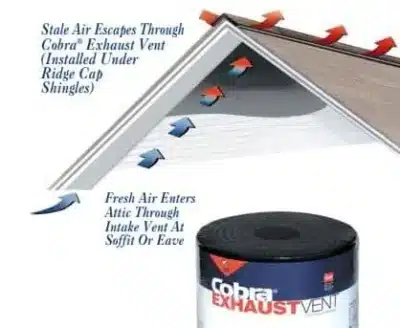
- Ridge Vents: Installed along the peak of your roof, ridge vents act as outtake vents that expel warm air from the attic. This constant airflow prevents heat buildup, ensuring your roof stays cool even when your home is warm. GAF Cobra® Ridge Vents are an excellent choice for reliable, high-performance outtake ventilation.
- Soffit Vents: Located under the eaves of your roof, soffit vents function as intake vents. They draw in cold air, which pushes warm air upward and out through the ridge vents. Pair these with GAF Intake Vent Products, such as Cobra® IntakePro™, to maintain the perfect airflow balance.
When ridge and soffit vents work together, they create a continuous flow of air that keeps your attic and roof temperatures consistent. Ventilation isn’t as simple as installing vents—it needs to be properly calculated and implemented:
- You should have 1 square foot of ventilation for every 300 square feet of attic floor space.
- Intake vents (soffits) and outtake vents (ridges) must be balanced to ensure smooth airflow. Too much of one can disrupt the system and reduce effectiveness.
In addition to using top-quality products like GAF Cobra® Ridge Vents and GAF IntakePro™, it’s crucial to check for obstructions. Blocked soffit vents—caused by insulation or debris—can prevent cold air from entering the attic. Periodically inspect and clear vents to maintain their function.
How to Prevent Ice Dams and Gutters: Gutter and Roof Maintenance Matters
Regular roof maintenance is another critical step in preventing ice dams. Clean your gutters and downspouts before winter to ensure proper drainage of melting snow and rain. Blocked gutters can trap water, leading to rain gutter ice dams that worsen ice buildup at the roof’s edge.
In areas prone to heavy snow, use a roof rake to safely remove snow from the roof’s edge. This eliminates the insulating layer of snow that contributes to melting and refreezing.
Will Heated Gutters Stop Ice Dams?
Heat cables and gutter heaters to prevent ice dams can help reduce the chances of ice forming in critical areas. When warming gutters and eaves, these systems can keep water flowing even in freezing temperatures. However, they should be viewed as a supplement and not a replacement for proper insulation and ventilation. Without addressing attic heat loss, these tools won’t stop ice dams entirely. If you are at a crossroads of choosing gutter heaters or a new roof, a new roof will provide you with substantially more protection!
Best Roofing Features for Ice Dam Prevention for New England Homes
Your roof is the first line of defense against ice dams. Equipping it with the right features can make all the difference! From high-quality underlayment to specialized leak barriers, these components work together to protect your home from winter’s icy grip. As a New England homeowners, these are the must-have roofing features that will safeguard your roof and prevent ice dams on roofs.
Ice & Water Shield: The Best Barrier Against Ice Dams
Ice dams form when water from melted snow refreezes at the roof’s edge, creating a barrier that traps additional water. Without proper protection, this water seeps under shingles and into your home. Installing a premium ice and water shield is essential to prevent leaks in vulnerable areas like valleys, eaves, and rakes.
- GAF WeatherWatch® Ice & Water Shield is a top-tier product that provides durable, watertight protection for your roof. We install this product up to 6 feet for ultimate protection.
- It’s particularly effective in areas prone to roof leaks, such as chimneys, skylights, and vents.
- For extra protection, we extend the shield 6 feet up from the eaves to block water infiltration during freeze-thaw cycles.
Roof Deck Protection for Added Durability

Your roof deck is a durable layer beneath the shingles that shields your home from moisture. Traditional underlayment materials, like tar paper, fail to provide the breathability and durability needed to combat ice dam damage. Modern options, such as GAF Deck-Armor™, offer superior protection:
- Allows trapped moisture to escape while blocking external water.
- Reinforces your roof’s durability during heavy snow and ice.
- Reduces the risk of mold and rot caused by lingering moisture.
High-Performance Shingles Built for Harsh Winters
Shingles help keep your roof watertight. Choosing shingles designed for New England’s unpredictable weather is key to preventing damage caused by ice dams.
- GAF Timberline® HDZ Shingles provide advanced protection with their Dura Grip™ adhesive, locking shingles tightly in place to resist ice and wind. Don’t forget that Coastal Windows & Exteriors offers an Unlimited Wind Speed Warranty! Your shingles are guaranteed to stay in place no matter the severity of wind storms.
- They feature an algae-resistant formula, maintaining curb appeal while protecting your home from harsh conditions.
- Select shingles with extended warranties for long-term peace of mind.
Ridge and Soffit Vents for Balanced Ventilation
Without proper ventilation, warm air trapped in the attic melts snow on your roof, which then refreezes at the edges. Balanced airflow is crucial to maintaining an even roof temperature, reducing the risk of ice dams on roofs.
- Use GAF Cobra® Ridge Vents to expel warm air from your attic.
- Pair them with GAF IntakePro™ Soffit Vents to bring in cold air, creating the perfect balance for a healthy attic environment.
Leak Barriers: Your Roof’s Secret Weapon
Leak barriers act as an additional shield against water infiltration caused by ice dams. These barriers are especially important in high-risk areas where water often pools or seeps.
- GAF StormGuard® Leak Barrier is a premium option that prevents leaks in valleys, around chimneys, and at roof edges.
- Its self-sealing technology offers maximum protection against ice and water damage.
New GAF Roof Installation Prevents Leaks
Protecting your home from ice dams requires more than one solution. Combining these essential roofing features creates a robust system capable of withstanding New England’s challenging winter conditions. Investing in products like Tiger Paw Roof Deck Protection and Timberline® HDZ Shingles helps fortify your roof from leaks, saving you from costly repairs caused by roof leaks and structural damage.
Does Ice Dams Mean I Need a New Roof?
Ice dams can cause significant damage to your roof, but they don’t always mean you need a full roof replacement. The severity of the damage depends on how long the issue has been left untreated and whether water has seeped into critical areas like your attic, walls, or ceiling.
Here’s how to evaluate whether ice dams on roofs signal the need for a new roof:
Signs of Extensive Damage:
- Lifting shingles or missing shingles where water has penetrated.
- Sagging areas in the roof structure caused by prolonged exposure to moisture.
- Mold or rot on roof decking or wooden rafters in your attic.
- Visible water stains or leaks inside your home.
When Repairs Are Sufficient:
- If the damage is isolated to a small area, repairing or replacing damaged shingles and underlayment may be enough.
- Properly sealing leaks and adding Ice & Water Shield in problem areas can prevent future damage.
When Replacement Is Necessary:
- If your roof is already near the end of its lifespan, the combined effects of ice dams and aging materials might make replacement a better option.
- Extensive rot or mold in the roof deck requires a full replacement to restore structural integrity.
Consult a professional roofer to assess the condition of your roof. They’ll inspect for roof leaks, water damage, and compromised structural elements to determine whether repair or replacement is the best solution.
Do Roof Vents Prevent Ice Dams?

Yes! Roof vents can help prevent ice dams on roofs by maintaining balanced attic temperatures. That’s because proper ventilation allows cold air to flow in and warm air to escape, reducing the chances of snow melting and refreezing on your roof.
Key types of roof vents include:
- Ridge Vents: These vents, like GAF Cobra® Ridge Vents, are installed at the roof’s peak to release warm air from the attic. They create a natural airflow system that helps regulate attic temperatures.
- Soffit Vents: These intake vents bring cold air into the attic, pushing warm air out through ridge vents. Products like GAF IntakePro™ Soffit Vents are designed to improve airflow efficiently.
Without proper ventilation, warm air trapped in the attic melts the snow on the roof, which refreezes at the edges. Ventilation prevents this cycle by keeping the roof surface consistent with outdoor temperatures. Ventilation alone isn’t enough—it works best when paired with proper insulation and air sealing to prevent heat from entering the attic in the first place.
Ice Dam Prevention: Ventilation, Insurance & Common Mistakes to Avoid
When winter hits New England, ice dam prevention becomes more than a precaution—it becomes a necessity. Proper ventilation, insulation, and roofing materials are essential to stop ice from damaging your roof, walls, and home structure. Without a proactive approach, homeowners may face serious problems, from water leaks to mold and even termite infestations.
In this section, we’ll break down action steps for ventilation, why salt isn’t a safe fix, and how insurance might (or might not) cover ice dam damage.
Action Steps for Ice Dam Prevention Through Attic Ventilation
Effective attic ventilation is a crucial part of ice dam prevention. Simply adding a vent isn’t enough. Instead, homeowners should take targeted steps to reduce heat loss and maintain a balanced attic temperature.
✔️ Seal Leaks
Seal gaps around recessed lights, electrical cables, and vent pipes. These small openings let warm air escape into the attic, warming the roof from underneath. Use caulk or expanding foam to close them up effectively.
✔️ Insulate Light Fixtures
Next, foam around heat-protected recessed lights, ensuring they are zero-clearance and fire-rated. This prevents warm air from pouring into the attic through these fixtures.
✔️ Secure the Attic Hatch
Attic hatches often leak warm air if they’re not properly sealed. Adding weatherstripping or insulation around the hatch reduces heat loss and keeps your attic temperature consistent.
✔️ Clear Soffit Vents
Blocked soffit vents reduce airflow. Consequently, your ventilation system becomes ineffective. Check these areas regularly to ensure they’re free of insulation or debris.
For best results, pair these upgrades with GAF Cobra® Ridge Vents and GAF IntakePro™ Soffit Vents to improve airflow and optimize protection.
Can You Put Salt on Your Roof?
Can you? Technically, yes.
Should you? Probably not.
Although some homeowners use salt to melt driveway ice, it’s not safe for roofs. While it may offer a short-term fix, it creates long-term damage.
❌ Why Salt is a Bad Idea:
Shingle Damage: Salt is corrosive and breaks down asphalt granules.
Gutter Corrosion: Meltwater mixed with salt can eat away at metal gutters and downspouts.
Environmental Harm: Salt runoff damages landscaping and contaminates soil.
✅ Better Alternatives:
Roof Rakes: Remove snow from roof edges safely and prevent buildup.
Professional Removal: Hire experts with tools designed for safe ice removal.
Preventive Systems: Focus on proper insulation, ventilation, and leak barriers for long-term solutions.
Smart ice dam prevention methods outperform reactive fixes like salting.
Steps to Protect Your Home and Minimize Out-of-Pocket Costs
Instead of waiting for damage to occur, focus on prevention. These simple actions can reduce the risk of leaks and limit the impact of winter storms.
What You Can Do:
Maintain attic ventilation to regulate temperatures and prevent ice dam formation
Clean gutters regularly to ensure proper drainage
Schedule roof inspections before winter to catch issues early
Add insulation to prevent heat from reaching your roof
What to Do If Ice Dam Damage Occurs
Despite best efforts, damage sometimes happens. If your home is affected by an ice dam:
Document everything: Take photos of visible damage, inside and out
Contact your insurance: Report the claim and ask what’s covered
Get a professional estimate: Hire a licensed roofing contractor to assess and quote repairs
While insurance may help with some repairs, investing in proper ice dam prevention will save you far more in the long run.
GAF Roofing System: Full-Protection Roofing for New England Homes
New England winters are unpredictable. But one thing is certain: the cost of ignoring ice dam prevention is far greater than the cost of preparing.
With the right ventilation, insulation, and roofing system, you can prevent ice dams—and the headaches that come with them.
Protect Your Home with a Durable Roofing System Built for New England Winters
When it comes to protecting your home from the relentless freeze-thaw cycles of New England winters, replacing your shingles alone isn’t enough. You need a complete, weather-tested solution. That’s why homeowners trust the GAF roofing system—a 6-layer defense engineered to prevent ice dams, roof leaks, and long-term water damage.
Unlike basic roofing setups, this system offers comprehensive protection against the unpredictable weather patterns in the Northeast.
Why Choose the GAF Roofing System?
Each layer of the GAF roofing system plays a critical role in preserving your roof’s durability, energy efficiency, and resistance to winter damage.
✅ 1. Leak Barrier
First, the leak barrier protects vulnerable areas like valleys and eaves. Since these are common zones for ice dam formation, this layer blocks water infiltration before it penetrates your roof.
✅ 2. Roof Deck Protection
This underlayment provides a second layer of defense, allowing trapped moisture to escape while preventing external water from entering. As a result, it keeps your deck dry and intact.
✅ 3. Starter Strip Shingles
Starter shingles help secure the first row of shingles and prevent wind uplift. Consequently, your entire roof system becomes more stable and storm-resistant.
✅ 4. Lifetime Shingles
GAF’s Lifetime Shingles feature advanced adhesive technology. These shingles are built to withstand heavy snow loads and high winds—making them ideal for New England weather.
✅ 5. Ridge Cap Shingles
These top-layer shingles protect the roof’s highest points while adding a clean, finished look. Additionally, they help direct airflow through your attic for better ventilation.
✅ 6. Attic Ventilation
Proper ventilation is essential for ice dam prevention. Balanced airflow helps regulate attic temperatures, reducing snowmelt and refreezing cycles on your roof.
Why Choose Coastal Windows & Exteriors?
At Coastal Windows & Exteriors, we go beyond the basics. As a GAF Certified Contractor, we install the full GAF roofing system to manufacturer specifications—ensuring you receive maximum warranty coverage and long-term performance.
Here’s what sets us apart:
Expert consultations with custom roofing assessments
GAF System Plus and Golden Pledge® warranties
Proven experience with New England homes
Financing options and seasonal promotions
We tailor every roof installation based on your home’s layout, attic airflow, and insulation—because one-size-fits-all never works in New England.

Coastal Windows & Exteriors is the #1 woman-owned roofing company in New England, as recognized by INC 5000 and North Shore Magazine’s Best of North Shore (BONS) Winner for 2023, 2024, and 2025. Led by the 2024 SBA Massachusetts Business Person of the Year, we take pride in offering exceptional craftsmanship and premium products, including:
- GAF Master Elite Roofer Certification—only 2% of roofers nationwide achieve this distinction.
- GAF Green Certified Roofer, showcasing our commitment to sustainability.
- Licensed and insured professionals for worry-free service.
- Exclusive warranties like the GAF Unlimited Wind Speed Warranty and GAF Golden Pledge Warranty for peace of mind.
Whether you’re looking for a traditional roofing system, solar roofing, or the durability of metal roofing, we have solutions tailored to meet your home’s needs.
Contact Us for a Free Estimate Today!
Don’t let ice dams and winter storms compromise your home. Protect what matters most with the best in the business—Coastal Windows & Exteriors. Contact us now for a free roofing estimate and discover how our GAF 6-Layer Roofing System can keep your home safe and secure all winter long.
Your roof deserves the best—because your home deserves the best. Let’s get started!
Frequently Asked Questions About Ice Dam on Roof
How Much Snow Can a Roof Hold?
Most roofs are designed to withstand 20 pounds per square foot of snow load.
Meanwhile, one foot of fresh, powdery snow weighs approximately 5 pounds per square foot. Heavy, wet snow can exceed 20 pounds per square foot with just one foot of accumulation.
What New England Homeowners Need to Know:
- Baseline Snow Capacity — Most residential roofs in New England are engineered to handle 20 pounds per square foot, which accommodates typical winter snowfall patterns and meets regional building codes.
- Fresh Snow Weight — Light, powdery snow from typical winter storms weighs around 5 pounds per square foot per foot of depth. Your roof can safely hold approximately four feet before reaching design capacity.
- Heavy Snow Risks — Dense, wet snow from nor’easters can weigh 20+ pounds per square foot with just one foot of accumulation. This can immediately reaching your roof’s load limit and require prompt removal to prevent structural damage.
- Warning Signs — Look for sagging ceiling lines, cracking sounds from the attic, doors that suddenly stick or won’t close properly, and visible roof deflection indicating your structure is approaching dangerous stress levels.
- Professional Assessment — GAF Master Elite contractors like Coastal Windows & Exteriors can evaluate your roof’s condition, identify vulnerable areas, and recommend roofing solutions.
- Ice Dam Complications — Snow accumulation combined with poor attic ventilation creates ice dams, adding weight at roof edges. Removal costs reaching up to $4,000 plus potential leak repairs up to $24,000.
- Prevention Strategies — Proper roof ventilation, adequate attic insulation, and leak barriers installed during roof replacement prevent ice dam formation and extend your roof’s ability to manage winter snow loads safely.
Smart Roofing Solutions for Winter Protection
Best Overall: Professional roof assessment from a GAF Master Elite contractor before winter to identify structural vulnerabilities and ventilation issues
Top Choice for Prevention: Cobra Ridge Vents and MasterFlow Intake Soffit Vents installed during roof replacement to eliminate ice dam formation
Best for Emergency Situations: Immediate snow removal when you observe warning signs like sagging or cracking
Schedule Your Free Roof Assessment
Ready to protect your home from winter snow damage? Schedule a comprehensive roof inspection that evaluates structural capacity, ventilation adequacy, and ice dam prevention measures. Coastal Windows & Exteriors has completed 7,000+ installations across Massachusetts, New Hampshire, and Maine as the only woman-owned GAF Master Elite contractor in the U.S., bringing specialized expertise in New England winter conditions.
Proudly serving the North Shore to the South Shore, MetroWest to Greater Boston, Central Mass and the Western Suburbs, Greater Lowell and the Merrimack Valley — as well as Southern New Hampshire including the Seacoast, Concord Region, and Southern Maine — Coastal Windows & Exteriors is YOUR local home improvement expert for energy-efficient windows, roofing, siding, and doors across New England.
Request a free estimate by clicking here.
Learn more about roofing by clicking here.
For more questions about roofing FAQs click here.
Last Updated: February 2026
Sources:
- GAF, “How Much Snow Can a Roof Handle Safely: Signs, Risks, and When to Call a Pro,” 2024 (https://www.gaf.com/en-us/blog/your-home/how-much-snow-can-a-roof-handle-safely-signs-risks-and-when-to-call-a-pro-281474980477586)
- Angi, “Ice Dam Removal Cost,” 2024 (https://www.angi.com/articles/ice-dam-removal-cost.htm)
- GAF, “Ice Dams: Cause and Preventative Measures,” Technical Bulletin R-116, 2024 (https://www.gaf.com/en-us/document-library/documents/technical-bulletins-&-notes/r-116-ice-dams-cause-and-preventative-measures.pdf)
Can Ice Damage Roof?
Ice can cause severe roof damage through ice dams and accumulated weight.
Ice dam removal costs up to $4,000, with resulting leak repairs reaching $24,000. Heavy ice and snow combined can exceed your roof’s 20-pound-per-square-foot design capacity.
What New England Homeowners Need to Know:
- Ice Dam Formation — When warm attic air melts roof snow, water runs down and refreezes at colder eaves. This creates ice dams that trap melting snow behind them and force water under shingles.
- Structural Damage — Ice dams add concentrated weight at roof edges while preventing proper drainage, causing shingle deterioration, fascia rot, gutter damage, and potential roof deck failure requiring thousands in emergency repairs.
- Interior Water Damage — Trapped water from ice dams seeps through roof decking into attic insulation, ceiling drywall, and wall cavities. This leads to ceiling stains, mold growth, damaged insulation, and compromised electrical systems throughout your home.
- Ventilation Failures — Poor attic ventilation allows heat buildup that melts snow unevenly. Meanwhile, proper systems like Cobra Ridge Vents and MasterFlow Intake Soffit Vents regulate temperatures to prevent ice dam formation.
- Leak Barrier Protection — These membranes installed at the eaves during roof replacement prevent water infiltration through the roof deck.
- New England Freeze-Thaw Cycles — New England temperature fluctuations create repeated melting and refreezing that compounds ice dams. So, ice dam prevention systems are essential for protecting homes throughout harsh winter months.
- Professional Intervention — GAF Master Elite contractors assess underlying causes like inadequate insulation or poor ventilation. We’ll install effective solutions rather than temporary fixes that leave your home vulnerable to future damage.
Ice Damage Prevention Solutions
Prevention Method | Function | Implementation | Best For | Investment |
Proper Ventilation | Regulates attic temperature to prevent uneven snow melt | Cobra Ridge Vents + MasterFlow Intake Vents | All New England homes | Included in GAF system installation |
Leak Barriers | Stops water infiltration at vulnerable eaves | Installed during roof replacement | Ice dam-prone areas | $200-500 additional |
GAF Roofing System | Comprehensive protection with ventilation and barriers | Complete roof replacement following manufacturer specs | Long-term solution | Prevents future ice dams permanently |
Addressing Your Ice Damage Concerns
Best Overall: Complete GAF roofing system installation with proper ventilation and leak barriers for permanent roof ice dam prevention throughout your home’s lifetime
For Active Emergencies: Priority ice dam removal within 24-48 hours followed by assessment of underlying ventilation or insulation issues causing the problem
Long-Term Protection: Professional evaluation identifying whether roof design, ventilation deficiencies, or insulation problems are creating ice dam conditions requiring permanent correction
Emergency Ice Dam & Roof Leak Inspections with Priority Scheduling
Experiencing active leaks with water pouring into your home? Coastal Windows & Exteriors offers Emergency Ice Dam & Roof Leak Inspections with Priority Scheduling for Massachusetts, New Hampshire, and Maine homeowners facing winter roof emergencies.
Our process protects your home while preventing future damage. We assess why ice dams are forming, remove existing ice dams (4-5 hours), then install a complete GAF roofing system engineered for roof ice dam prevention. This isn’t a Band-Aid approach—it’s lifetime protection against recurring ice dam damage.
Coastal Windows & Exteriors has completed 7,000+ installations across Massachusetts, New Hampshire, and Maine as the only woman-owned GAF Master Elite contractor in the U.S., bringing specialized expertise in New England winter conditions and emergency roof services.
Proudly serving the North Shore to the South Shore, MetroWest to Greater Boston, Central Mass and the Western Suburbs, Greater Lowell and the Merrimack Valley — as well as Southern New Hampshire including the Seacoast, Concord Region, and Southern Maine — Coastal Windows & Exteriors is YOUR local home improvement expert for energy-efficient windows, roofing, siding, and doors across New England.
Request a free estimate by clicking here.
Learn more about roofing by clicking here.
For more questions about roofing FAQs click here.
Last Updated: February 2026
Sources:
- Angi, “Ice Dam Removal Cost,” 2024 (https://www.angi.com/articles/ice-dam-removal-cost.htm)
- GAF, “Ice Dams: Cause and Preventative Measures,” Technical Bulletin R-116, 2024 (https://www.gaf.com/en-us/document-library/documents/technical-bulletins-&-notes/r-116-ice-dams-cause-and-preventative-measures.pdf)
- GAF, “How Much Snow Can a Roof Handle Safely: Signs, Risks, and When to Call a Pro,” 2024 (https://www.gaf.com/en-us/blog/your-home/how-much-snow-can-a-roof-handle-safely-signs-risks-and-when-to-call-a-pro-281474980477586)
Can Ice Dams Damage Shingles and Gutters?
Yes, ice dams cause severe damage to both shingles and gutters.
Ice dam removal costs up to $4,000, with shingle repairs ranging $130-$9,000 and gutter cleaning adding $75-$400. Related roof oof leak repairs can reach $24,000 for extensive interior damage.
What New England Homeowners Need to Know:
- Shingle Deterioration — Ice dams trap water under shingles, causing them to lift, crack, and lose granules. Freezing and thawing cycles repeat throughout winter, compromising your roof’s waterproof barrier and requiring costly replacement.
- Gutter System Failure — Heavy ice buildup adds hundreds of pounds to gutters. As a result, the ice pushes away the fascia boards, bending hangers, and creating permanent sag.
- Salt on Ice Dams Risks — Applying salt melts ice dams rapidly. This results in sudden water rushes that leak into your home faster than gradual melting. You’ll overwhelm your gutters and force water through vulnerable areas.
- Fascia and Soffit Damage — Water backing up behind ice dams seeps into wooden fascia boards and soffit panels. From there, rot spreads to roof decking and requires extensive repairs.
- Repeated Freeze-Thaw Impact — New England’s temperature fluctuations cause ice to expand and contract daily, working shingles loose from their adhesive seal and forcing gutters further from their mounting points with each cycle.
- Ventilation Deficiencies — Poor attic ventilation creates the warm roof conditions that melt snow unevenly, with proper systems like Cobra Ridge Vents and MasterFlow Intake Soffit Vents eliminating the heat buildup causing ice dams.
- Leak Barrier Protection — These membranes installed at eaves during roof replacement prevent water infiltration through the roof deck where ice dams form, protecting both your roof structure and interior from water damage.
Ice Dam Damage Prevention
Component at Risk | Damage Type | Repair Cost Range | Prevention Solution | Protection Duration |
Shingles | Lifting, cracking, granule loss | $130-$9,000 | Leak barriers + proper ventilation | Lifetime with GAF system |
Gutters | Sagging, detachment, bending | $75-$400 cleaning; more for replacement | Eliminate ice dam formation | Permanent solution |
Roof Structure | Leak damage, deck rot | Up to $24,000 | Complete ventilation system | Matches roof lifespan |
Protecting Your Investment
Best Overall: Complete GAF roofing system with Cobra Ridge Vents, MasterFlow Intake Vents, and leak barriers for permanent roof ice dam prevention
For Active Damage: Priority assessment to evaluate shingle condition, gutter integrity, and underlying ventilation issues causing ice dams without using salt on ice dams
Long-Term Solution: Professional installation following GAF specifications eliminates the root causes of ice dam formation, protecting shingles and gutters throughout your home’s lifetime
Emergency Ice Dam & Roof Leak Inspections with Priority Scheduling
Seeing shingle damage or sagging gutters from ice buildup? Avoid using salt on ice dams—rapid melting creates water rushes that leak into your home faster, causing more damage than gradual removal.
Coastal Windows & Exteriors offers Emergency Ice Dam & Roof Leak Inspections with Priority Scheduling for Massachusetts, New Hampshire, and Maine homeowners facing winter roof damage and active leaks with pouring water. Coastal Windows & Exteriors has completed 7,000+ installations across Massachusetts, New Hampshire, and Maine as the only woman-owned GAF Master Elite contractor in the U.S., bringing specialized expertise in New England winter conditions and emergency roof services.
Proudly serving the North Shore to the South Shore, MetroWest to Greater Boston, Central Mass and the Western Suburbs, Greater Lowell and the Merrimack Valley — as well as Southern New Hampshire including the Seacoast, Concord Region, and Southern Maine — Coastal Windows & Exteriors is YOUR local home improvement expert for energy-efficient windows, roofing, siding, and doors across New England.
Request a free estimate by clicking here.
Learn more about roofing by clicking here.
For more questions about roofing FAQs click here.
Last Updated: February 2026
Sources:
- Angi, “Ice Dam Removal Cost,” 2024 (https://www.angi.com/articles/ice-dam-removal-cost.htm)
- GAF, “Ice Dams: Cause and Preventative Measures,” Technical Bulletin R-116, 2024 (https://www.gaf.com/en-us/document-library/documents/technical-bulletins-&-notes/r-116-ice-dams-cause-and-preventative-measures.pdf)
Can Removing Ice Dams Stop Interior Water Damage?
Removing ice dams stops active leaks and prevents additional interior water damage.
Ice dam removal costs up to $4,000, while resulting leak repairs can reach $24,000. Getting rid of ice dams on roof surfaces immediately halts water infiltration into your home.
What New England Homeowners Need to Know:
- Immediate Leak Prevention — Removing existing ice dams stops water from backing up under shingles and entering your attic. It’ll also stop further ceiling stains, insulation damage, and wall deterioration.
- Existing Damage Persists — While ice dam removal stops new water intrusion, damage already caused requires separate repairs including ceiling replacement, insulation drying, mold remediation, and addressing any compromised electrical systems.
- Root Cause Remains — Simply getting rid of ice dams on roof surfaces provides temporary relief. But without addressing underlying ventilation or insulation issues, new ice dams will form with the next snowfall.
- Ventilation System Solutions — Poor attic ventilation creates the warm roof conditions causing ice dams, with proper systems like Cobra Ridge Vents and MasterFlow Intake Soffit Vents preventing ice dams.
- Leak Barrier Protection — These membranes installed at the eaves during roof replacement prevents water infiltration through the roof deck.
- Professional Assessment Required — Ice dams stem from ventilation issues, insulation problems, or roof design factors. So, professional inspection is essential to identify which underlying condition needs correction for permanent protection.
- GAF System Installation — Complete roof replacement following GAF specifications eliminates ice dam formation permanently by addressing ventilation, insulation, and leak barrier requirements that prevent both ice dams and resulting water damage.
Ice Dam Removal vs Prevention
Approach | Timeline | Cost Range | Effectiveness | Duration |
Emergency Removal Only | 4-5 hours | Up to $4,000 | Stops active leaks immediately | Temporary until next snowfall |
Removal + Interior Repairs | 1-2 weeks | $4,000-$28,000+ | Addresses current damage only | Temporary solution |
GAF System Installation | 1-3 days | Complete roof investment | Prevents future ice dams permanently | Lifetime protection |
Protecting Your Home
Best for Active Leaks: Emergency ice dam removal within 48 hours stops immediate water intrusion and prevents additional interior damage while assessment identifies underlying causes
For Permanent Solution: Complete GAF roofing system installation with proper ventilation and leak barriers eliminates ice dam formation permanently
Comprehensive Approach: Ice dam removal followed by GAF system installation addresses both immediate damage and long-term prevention needs
Emergency Ice Dam Removal & Prevention Services
Experiencing active leaks with water pouring into your home? Getting rid of ice dams on roof surfaces stops the immediate problem, but permanent protection requires addressing why they formed.
Coastal Windows & Exteriors offers Emergency Ice Dam & Roof Leak Inspections with Priority Scheduling for Massachusetts, New Hampshire, and Maine homeowners facing winter roof emergencies and active interior water damage. We’ve completed 7,000+ installations across Massachusetts, New Hampshire, and Maine as the only woman-owned GAF Master Elite contractor in the U.S., bringing specialized expertise in New England winter conditions and emergency roof services.
Proudly serving the North Shore to the South Shore, MetroWest to Greater Boston, Central Mass and the Western Suburbs, Greater Lowell and the Merrimack Valley — as well as Southern New Hampshire including the Seacoast, Concord Region, and Southern Maine — Coastal Windows & Exteriors is YOUR local home improvement expert for energy-efficient windows, roofing, siding, and doors across New England.
Request a free estimate by clicking here.
Learn more about roofing by clicking here.
For more questions about roofing FAQs click here.
Last Updated: February 2026
Sources:
- Angi, “Ice Dam Removal Cost,” 2024 (https://www.angi.com/articles/ice-dam-removal-cost.htm)
- GAF, “Ice Dams: Cause and Preventative Measures,” Technical Bulletin R-116, 2024 (https://www.gaf.com/en-us/document-library/documents/technical-bulletins-&-notes/r-116-ice-dams-cause-and-preventative-measures.pdf)
How Much Does Ice Dam Removal Cost?
Ice dam removal costs up to $4,000 for emergency services.
Additional expenses include snow removal ($200-$700), roof leak repairs (up to $24,000), shingle repairs ($130-$9,000), gutter cleaning ($75-$400), and snow guards ($500-$10,000).
What New England Homeowners Need to Know:
- Emergency Removal Pricing — Professional ice dam removal typically costs up to $4,000 depending on severity, roof size, and accessibility. Meanwhile, most services require 4-5 hours to safely remove ice without damaging shingles or gutters.
- Hidden Additional Costs — After ice dam removal, homeowners face cleanup expenses including snow removal ($200-$700), gutter cleaning ($75-$400), and potential shingle repairs ($130-$9,000). This is especially true if ice caused lifting or cracking during formation.
- Interior Damage Expenses — Water infiltration from ice dams creates costly repairs including ceiling replacement, insulation drying, mold remediation, and wall repair. Total damage can yield up to $24,000 for extensive interior work.
- Recurring Cost Problem — Removing ice dams without addressing underlying ventilation or insulation issues means paying removal costs repeatedly each winter. These temporary solutions become far more expensive than permanent prevention!
- Prevention Investment Value — Professional roof installation following GAF system specifications eliminates ice dam formation with proper ventilation, leak barriers, and insulation requirements.
- Ventilation System Benefits — Cobra Ridge Vents and MasterFlow Intake Soffit Vents installed during roof installation regulate attic temperatures, preventing the uneven snow melt that creates ice dams.
- Leak Barrier Protection — These membranes installed at the eaves during roof installation prevent water infiltration through the roof deck where ice dams typically form, protecting your investment from the $24,000+ damage costs.
Ice Dam Cost Breakdown
Service/Repair | Cost Range | Timeframe | Frequency | Prevention Alternative |
Emergency Ice Dam Removal | Up to $4,000 | 4-5 hours | Every winter storm | GAF system roof installation |
Snow Removal | $200-$700 | 1-2 hours | Multiple times per season | Proper ventilation eliminates need |
Shingle Repairs | $130-$9,000 | 1-3 days | After each ice dam | Leak barriers prevent damage |
Roof Leak Repairs | Up to $24,000 | 1-2 weeks | Per incident | One-time roof installation investment |
Gutter Cleaning/Repair | $75-$400+ | 2-4 hours | Seasonal | Ice dam prevention stops gutter damage |
Making Smart Investment Decisions
Best for Immediate Relief: Emergency ice dam removal (up to $4,000) stops active leaks but requires addressing underlying causes
For Long-Term Savings: Professional roof installation with GAF system specifications eliminates recurring removal costs and prevents $24,000+ interior damage expenses
Comprehensive Solution: Ice dam removal followed by complete roof installation addresses both immediate emergency and permanent prevention needs
Emergency Ice Dam Services & Prevention Solutions
Facing ice dam emergency costs? Coastal Windows & Exteriors offers Emergency Ice Dam & Roof Leak Inspections with Priority Scheduling for Massachusetts, New Hampshire, and Maine homeowners experiencing active leaks with pouring water.
Coastal Windows & Exteriors has completed 7,000+ installations across Massachusetts, New Hampshire, and Maine as the only woman-owned GAF Master Elite contractor in the U.S., bringing specialized expertise in New England winter conditions and emergency roof services.
Proudly serving the North Shore to the South Shore, MetroWest to Greater Boston, Central Mass and the Western Suburbs, Greater Lowell and the Merrimack Valley — as well as Southern New Hampshire including the Seacoast, Concord Region, and Southern Maine — Coastal Windows & Exteriors is YOUR local home improvement expert for energy-efficient windows, roofing, siding, and doors across New England.
Request a free estimate by clicking here.
Learn more about roofing by clicking here.
For more questions about roofing FAQs click here.
Last Updated: February 2026
Sources:
- Angi, “Ice Dam Removal Cost,” 2024 (https://www.angi.com/articles/ice-dam-removal-cost.htm)
- GAF, “Ice Dams: Cause and Preventative Measures,” Technical Bulletin R-116, 2024 (https://www.gaf.com/en-us/document-library/documents/technical-bulletins-&-notes/r-116-ice-dams-cause-and-preventative-measures.pdf)
What Damage Can An Ice Dam Cause To A Roof?
Ice dams cause severe roof and interior damage including water leaks, shingle deterioration, and structural rot.
Repair costs reach $24,000 for leak damage, plus $130-$9,000 for shingles and $75-$400 for gutter repairs. Getting rid of ice dams on roof surfaces immediately prevents escalating damage.
What New England Homeowners Need to Know:
- Active Water Leaks — Ice dams trap melting snow behind them, forcing water under shingles and through roof decking into your attic. You’ll soon see ceiling stains, wall water damage, and puddles that spread throughout living spaces.
- Attic Insulation Destruction — Water infiltration from ice dams saturates your attic insulation, destroying its R-value effectiveness and creating heavy, compressed material.
- Structural Rot Development — Persistent moisture from ignored ice dams causes wooden roof decking, rafters, fascia boards, and wall framing to rot.
- Shingle and Gutter Damage — Ice buildup lifts shingles from their adhesive seal, cracks protective granules, and adds hundreds of pounds to gutters. This can ultimately pull your gutters and fascia away from your home.
- Mold Growth Risks — Water damage from ice dams creates ideal conditions for mold growth in attic spaces, wall cavities, and ceiling materials.
- Electrical System Hazards — Water leaking through ceilings contacts electrical wiring, fixtures, and junction boxes, creating fire hazards.
- Progressive Damage Escalation — Ignoring ice dams allows repeated freeze-thaw cycles to compound damage with each winter storm. Meanwhile, minor leaks lead to major structural failures.
Ice Dam Damage Impact
Damage Type | Immediate Impact | Long-Term Consequences | Repair Cost Range | Prevention Solution |
Water Leaks | Ceiling stains, active dripping | Mold growth, electrical hazards | Up to $24,000 | Getting rid of ice dams on roof immediately |
Attic Insulation | Loss of R-value, saturation | Increased energy costs, replacement needed | $1,500-$5,000 | Proper ventilation prevents formation |
Structural Rot | Wood softening, discoloration | Rafter failure, deck replacement required | $5,000-$15,000+ | Leak barriers stop water infiltration |
Shingles/Gutters | Lifting, detachment, bending | Complete replacement necessary | $130-$9,400+ | GAF system roof installation |
Protecting Your Home from Ice Dam Damage
Best for Active Damage: Emergency ice dam removal within 48 hours stops water leaks immediately and prevents attic insulation destruction before mold develops
For Rot Prevention: Professional assessment identifying moisture damage extent, followed by complete GAF system installation eliminating future ice dam formation
Comprehensive Protection: Getting rid of ice dams on roof surfaces now, then installing proper ventilation and leak barriers prevents recurring damage permanently
Emergency Ice Dam Prevention
Experiencing water leaks, ceiling stains, or attic moisture from ice dams? Delaying action allows rot to develop and damage costs to escalate from hundreds to tens of thousands of dollars.
Coastal Windows & Exteriors offers Emergency Ice Dam & Roof Leak Inspections with Priority Scheduling for Massachusetts, New Hampshire, and Maine homeowners facing active leaks with pouring water, attic insulation damage, or structural rot risks. Coastal Windows & Exteriors has completed 7,000+ installations across Massachusetts, New Hampshire, and Maine as the only woman-owned GAF Master Elite contractor in the U.S., bringing specialized expertise in New England winter conditions and emergency roof services.
Proudly serving the North Shore to the South Shore, MetroWest to Greater Boston, Central Mass and the Western Suburbs, Greater Lowell and the Merrimack Valley — as well as Southern New Hampshire including the Seacoast, Concord Region, and Southern Maine — Coastal Windows & Exteriors is YOUR local home improvement expert for energy-efficient windows, roofing, siding, and doors across New England.
Request a free estimate by clicking here.
Learn more about roofing by clicking here.
For more questions about roofing FAQs click here.
Last Updated: February 2026
Sources:
- Angi, “Ice Dam Removal Cost,” 2024 (https://www.angi.com/articles/ice-dam-removal-cost.htm)
- GAF, “Ice Dams: Cause and Preventative Measures,” Technical Bulletin R-116, 2024 (https://www.gaf.com/en-us/document-library/documents/technical-bulletins-&-notes/r-116-ice-dams-cause-and-preventative-measures.pdf)
Can You Roof in Winter?
Professional roofing installation can be completed safely throughout New England winters using specialized cold-weather techniques.
Winter roof replacement eliminates ice dam formation immediately and provides peace of mind before heavy snow loads accumulate. If you’re asking “can I get a new roof in the winter?” the answer is absolutely!
What New England Homeowners Need to Know:
- Cold-Weather Installation Methods — GAF Master Elite contractors use specialized adhesives, hand-sealing techniques, and thermal blankets that bond properly in cold temperatures.
- Ice Dam Prevention Benefits — Winter roofing installation with proper ventilation systems like Cobra Ridge Vents and MasterFlow Intake Soffit Vents eliminates ice dam formation. It can prevent the $4,000 ice dam removal costs and $24,000 leak damage.
- Snow Load Protection — New roof installation before winter storms can bring you peace of mind. There’s no need to worry about the 20-pound-per-square-foot design capacity that lead to sagging, leaks, or collapse.
- Emergency Response Advantage — Homeowners experiencing active leaks from ice dams need immediate roofing installation to stop water damage rather than waiting until spring, when repair costs escalate from repeated freeze-thaw cycles.
- Scheduling Flexibility — Winter offers faster scheduling with priority appointments available within 48 hours compared to spring’s months-long waiting lists, getting your roof protection installed when you need it most.
- Cost Considerations — Winter roofing installation may include slight weather-related premiums for specialized materials and techniques, but preventing one season of ice dam damage ($4,000-$28,000) makes winter installation financially advantageous.
- Warranty Coverage Maintained — Professional winter installation following GAF system specifications maintains full manufacturer warranties when proper cold-weather protocols are followed, providing lifetime protection regardless of installation season.
Winter vs Spring Roofing Installation
Factor | Winter Installation | Spring Installation | Advantage |
Scheduling Availability | Priority within 48 hours | 2-3 month wait times | Winter |
Ice Dam Prevention | Immediate protection | Delays leave home vulnerable | Winter |
Snow Load Confidence | Ready for current season | Misses entire winter | Winter |
Installation Techniques | Specialized cold-weather methods | Standard application | Equal quality |
Total Protection Cost | Roof investment only | Roof + potential $28,000 damage | Winter saves money |
Smart Winter Roofing Decisions
Best for Ice Dam Emergencies: Immediate winter roofing installation stops active leaks and prevents recurring ice dam formation throughout remaining winter months
For Peace of Mind: Winter roof replacement before heavy snow ensures your home can safely handle 20-pound-per-square-foot loads without structural concerns
Long-Term Investment: Professional winter installation with GAF system specifications provides lifetime protection starting immediately rather than exposing your home to another season of damage
Winter Roofing Installation Services
Wondering “can I get a new roof in the winter?” Yes—and winter roofing installation offers many advantages for Massachusetts, New Hampshire, and Maine homeowners.
Coastal Windows & Exteriors specializes in Winter Roofing Installation with Priority Scheduling for emergency situations and planned replacements throughout cold-weather months.
Coastal Windows & Exteriors has completed 7,000+ installations across Massachusetts, New Hampshire, and Maine as the only woman-owned GAF Master Elite contractor in the U.S., bringing specialized expertise in New England winter conditions and cold-weather roofing installation techniques.
Proudly serving the North Shore to the South Shore, MetroWest to Greater Boston, Central Mass and the Western Suburbs, Greater Lowell and the Merrimack Valley — as well as Southern New Hampshire including the Seacoast, Concord Region, and Southern Maine — Coastal Windows & Exteriors is YOUR local home improvement expert for energy-efficient windows, roofing, siding, and doors across New England.
Request a free estimate by clicking here.
Learn more about roofing by clicking here.
For more questions about roofing FAQs click here.
Last Updated: February 2026
Sources:
- Angi, “Ice Dam Removal Cost,” 2024 (https://www.angi.com/articles/ice-dam-removal-cost.htm)
- GAF, “Ice Dams: Cause and Preventative Measures,” Technical Bulletin R-116, 2024 (https://www.gaf.com/en-us/document-library/documents/technical-bulletins-&-notes/r-116-ice-dams-cause-and-preventative-measures.pdf)
- GAF, “How Much Snow Can a Roof Handle Safely: Signs, Risks, and When to Call a Pro,” 2024 (https://www.gaf.com/en-us/blog/your-home/how-much-snow-can-a-roof-handle-safely-signs-risks-and-when-to-call-a-pro-281474980477586)
