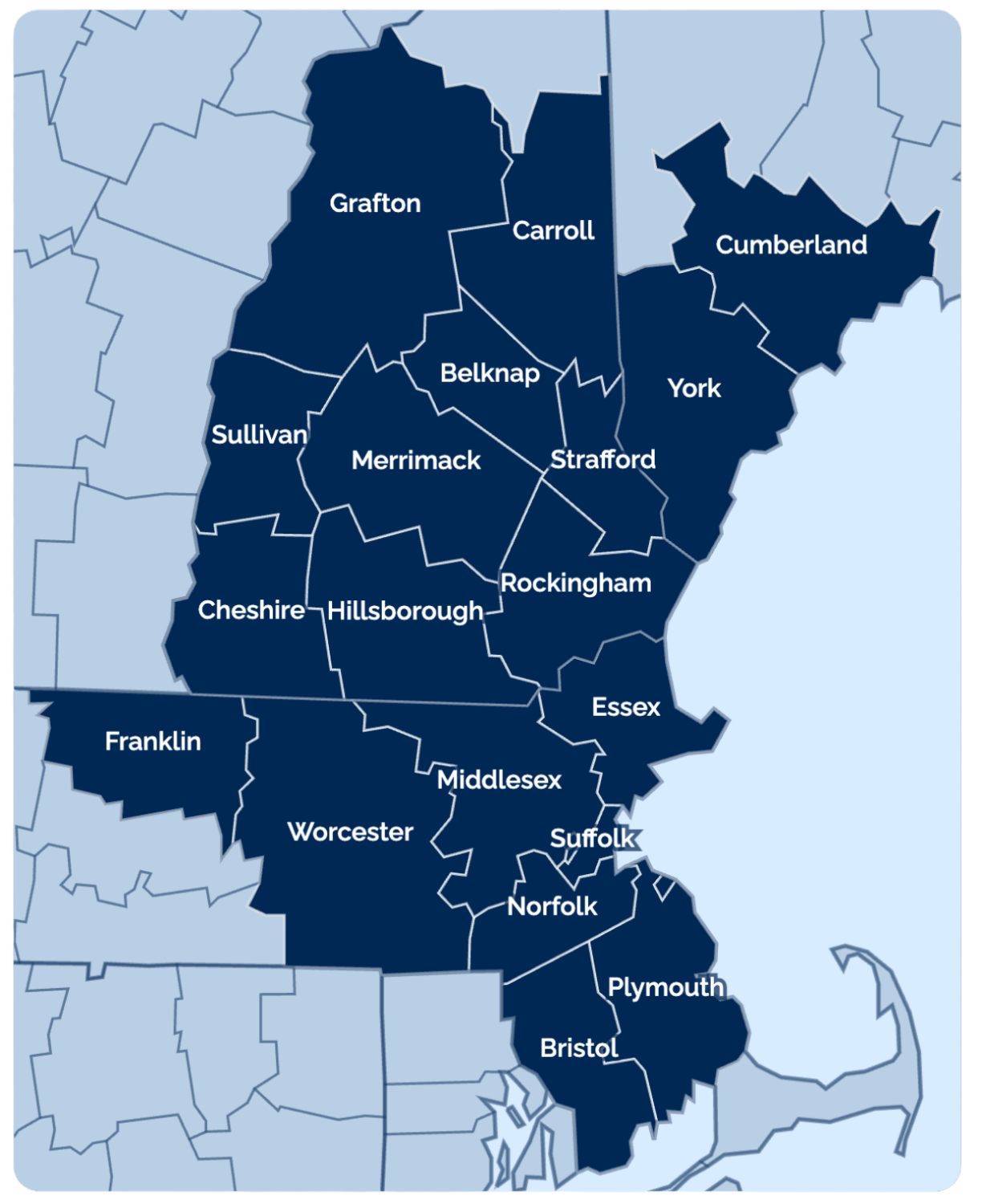


Fiber cement and vinyl siding look similar — but perform worlds apart. Coastal Windows & Exteriors is a woman-owned exterior remodeling company that has completed 7,000+ installations since 2011 across 730+ towns in Massachusetts, New Hampshire and Maine, installing both fiber cement and vinyl siding built to hold up through cold-climate weather.
The gap in durability, fire behavior, and longevity is significant.
Fiber Cement vs. Vinyl: A Straight Comparison
- Thickness: James Hardie is 5 times thicker than vinyl — real impact resistance under pressure.
- Color Longevity: Vinyl fades in 5 years. ColorPlus carries a 15-year warranty against fading and peeling.
- Cold Weather: Vinyl cracks in winter. Fiber cement holds shape through freeze-thaw cycles.
- Fire Behavior: Vinyl melts and releases toxic fumes. James Hardie has a Class A fire rating — slows flame spread. Not fireproof.
- ROI: Fiber cement: 144%. Vinyl: 97%. Per the Cost vs Value report by Remodeling.
| Option | Pros | Cons | Avg. Cost |
|---|---|---|---|
| James Hardie | Class A fire, 144% ROI, 30-yr warranty | Higher upfront cost | ~$20,678 |
| Vinyl Siding | Lower upfront cost | Fades, cracks, toxic in fire | ~$17,590 |
Which Should You Choose?
- Top Recommendation: James Hardie for lasting beauty and long-term protection.
- Best for Budget: Vinyl if upfront cost is the sole priority — knowing its limitations.
- Best for Historic Homes: HardiePlank to honor 1920s Colonial character.
Request a free siding estimate from Coastal Windows & Exteriors.
Browse our complete siding FAQ guide from Coastal Windows & Exteriors.
Explore our Siding Exterior Remodeling Home Improvement Help Center.
Still have questions about what’s the difference between fiber cement and vinyl siding? See the areas we serve and talk to your local siding contractor.
Last Updated: July 2026
Sources:
- Fiber cement siding returns 144% ROI in New England. JLC Online Cost vs. Value 2025 – New England, JLC Online’s regional cost-versus-value analysis for fiber cement siding in the New England market. (2026)
- Vinyl siding delivers a 97% return on investment at resale. JLC Online Cost vs. Value 2025, JLC Online’s national cost-versus-value analysis for vinyl siding replacement. (2026)
- The average cost of fiber cement siding in New England is $20,678. JLC Online Cost vs. Value 2025 – New England, JLC Online’s regional pricing data for fiber cement siding installation in the New England market. (2026)
- The average cost of vinyl siding in New England is $17,590. JLC Online Cost vs. Value 2025 – New England, JLC Online’s regional pricing data for vinyl siding installation in the New England market. (2026)